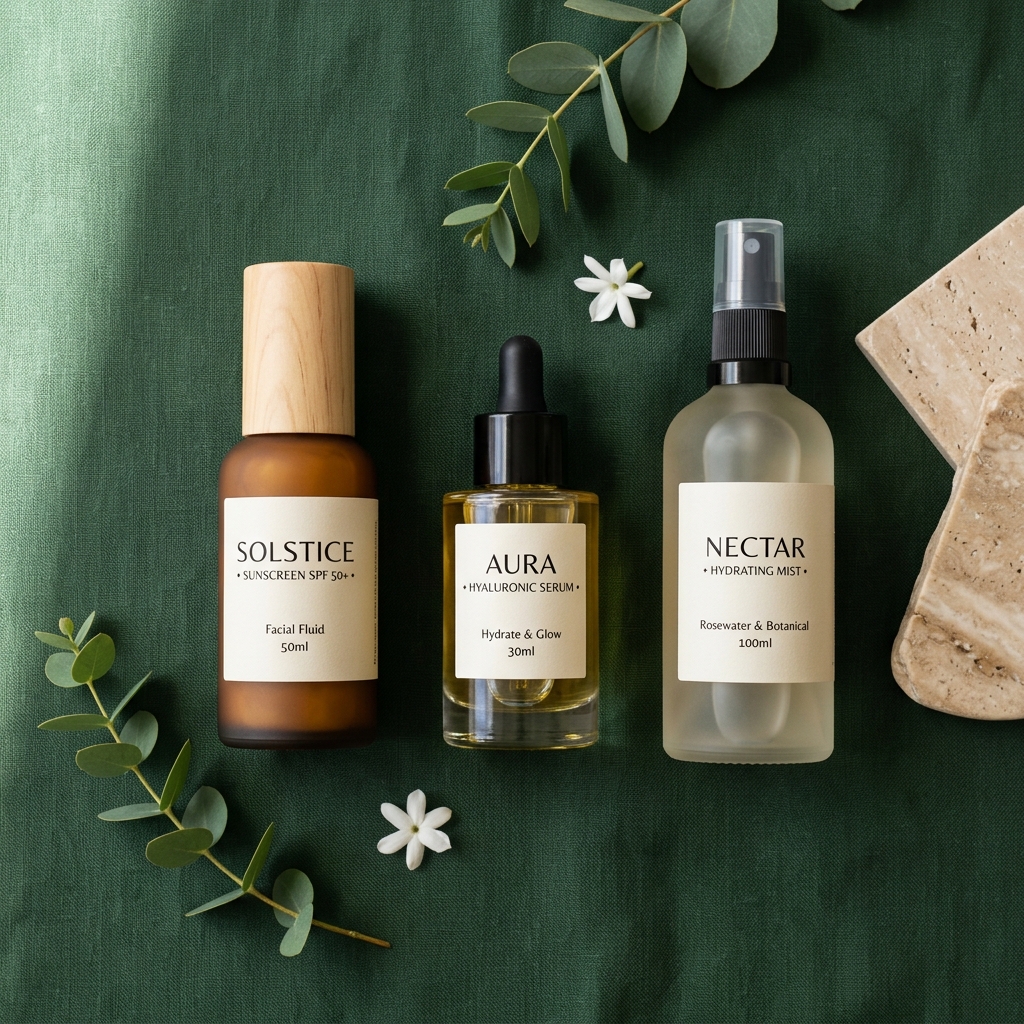
Summer brings longer days and outdoor living — along with increased oil production, sweat, humidity, and peak UV radiation. The rich creams and heavy occlusives that kept your skin comfortable in winter or spring often lead to congestion, shine, and clogged pores once temperatures rise.
Summer skincare is not about stripping your skin; it is about lightening textures while doubling down on sun protection and antioxidant defense.
This comprehensive guide covers how heat and humidity affect your skin barrier, the essential product swaps for hot weather, how to prevent summer breakouts, and the practical sunscreen habits that genuinely keep your skin glowing and protected.
Key Summer Rule
High humidity does not equal hydrated skin. When you sweat, your skin loses water and electrolytes. Swap heavy lipid creams for lightweight water-based gel hydrators, and never skip broad-spectrum daily sunscreen.
What Actually Changes in Summer
Hot weather creates four distinct challenges for your skin:
1. Increased Sebum & Sweat Production
For every 1°C increase in skin temperature, sebum excretion increases by roughly 10%. Combined with sweat, dead skin cells, and daily grime, this creates the perfect environment for pore clogging and inflammatory breakouts.
2. Peak UV Radiation
UVA rays (responsible for photoaging and hyperpigmentation) and UVB rays (causing sunburn) reach their highest intensity during the summer months. Melanin production kicks into overdrive, making dark spots much more stubborn.
3. Air Conditioning Dehydration
While the outdoors may be humid, air-conditioned indoor air is artificially dry and cold. Constantly moving between hot humidity outside and dry air conditioning indoors strains the skin’s moisture barrier and triggers dehydration.
4. Sunscreen & Makeup Breakdown
Heat, sweat, and facial oils break down sunscreen filters faster, leaving your skin exposed if you rely solely on a single morning application.
The Essential Summer Routine Swaps
To keep your complexion balanced, follow the core principle: lighter textures, effective antioxidant protection, and non-greasy hydration.
1. The Cleanser
- What to use: A gentle, foaming gel or water-based cleanser with mild surfactants (such as sodium cocoyl glycinate or coco-betaine).
- Nighttime: Use an emulsifying cleansing oil or micellar water first to completely melt away water-resistant SPF and sweat before your second cleanse.
- What to avoid: Harsh alcohol-laden astringents or aggressive scrubbing that strips the barrier and prompts compensatory oil production.
2. Antioxidant Defense (Morning)
- What to use: A high-potency Vitamin C serum (10–15% L-Ascorbic Acid or ethyl ascorbic acid) or Niacinamide (2–5%).
- Why it matters: Antioxidants neutralize free radicals generated by UV light and infrared heat that penetrate past sunscreen, providing a second layer of defense against pigmentation and collagen loss.
3. Lightweight Hydration
- What to use: Water gels, essence lotions, or oil-free moisturizers rich in Glycerin, Hyaluronic Acid, Panthenol (Vitamin B5), or Beta-Glucan.
- Why it matters: These ingredients draw moisture into the skin without leaving a suffocating occlusive film that traps heat and sweat.
4. Non-Negotiable Sunscreen
- What to use: A broad-spectrum SPF 50+ PA++++ with water and sweat resistance. Look for lightweight fluid, milk, or gel textures that dry invisible with zero heavy residue.
- Quantity: Apply two full finger lengths for the face and neck every morning as the final skincare step.
How to Prevent Summer Breakouts & “Bacne”
Breakouts in hot weather are often caused by a combination of occlusion, friction, and bacteria:
- Cleanse immediately after exercising: Sweat sitting on the skin encourages the overgrowth of acne-causing bacteria and yeast.
- Incorporate Salicylic Acid (BHA): Use a 1–2% BHA liquid or salicylic acid wash 2–3 times a week. BHA is oil-soluble and penetrates deep into pore linings to clear trapped sebum and prevent blackheads.
- Shower body wash technique: When using active washes for chest or back breakouts, leave the lather on your skin for 2 to 3 minutes before rinsing so the active ingredients have time to work.
Sunscreen Reapplication Made Practical
A single application in the morning does not protect you all day if you are outdoors or near windows.
- When outdoors: Reapply every 2 hours, or immediately after 40–80 minutes of swimming or heavy sweating.
- Over makeup: Use an SPF mist, SPF powder, or a cushion compact with SPF 50 for quick midday touch-ups without disturbing your base.
- Don’t forget vulnerable zones: The tops of your ears, eyelids, back of the neck, and lips require daily SPF protection.
Post-Sun Recovery & Soothing
If you have spent extended time outdoors and your skin feels warm, flushed, or sensitive:
- Cool and hydrate: Apply pure aloe vera, centella asiatica (cica), or colloidal oat gels to quickly drop skin temperature and reduce erythema.
- Hold the strong exfoliants: Pause high-strength retinol, glycolic acid peels, and strong scrubs for 48 hours after heavy sun exposure until the skin barrier fully settles.
- Drink electrolytes: Barrier hydration starts from within — replenish lost water and minerals throughout the day.
Was this article helpful?

Anam Ahsan
Skincare Enthusiast & BloggerHi, I'm Anam! I'm a beauty and skincare enthusiast who loves testing new products and sharing honest, personal reviews. I document my skincare journey and share what works for my skin so you can make better choices for your routine.



Comments (24)
Hannah W.
2 days agoThis guide saved me so much money — went with the budget pick and honestly can't tell the difference from serums twice the price!
Anam Ahsan Author
1 day agoSo glad it worked out for you, Hannah! That's exactly the kind of result we hoped readers would see.