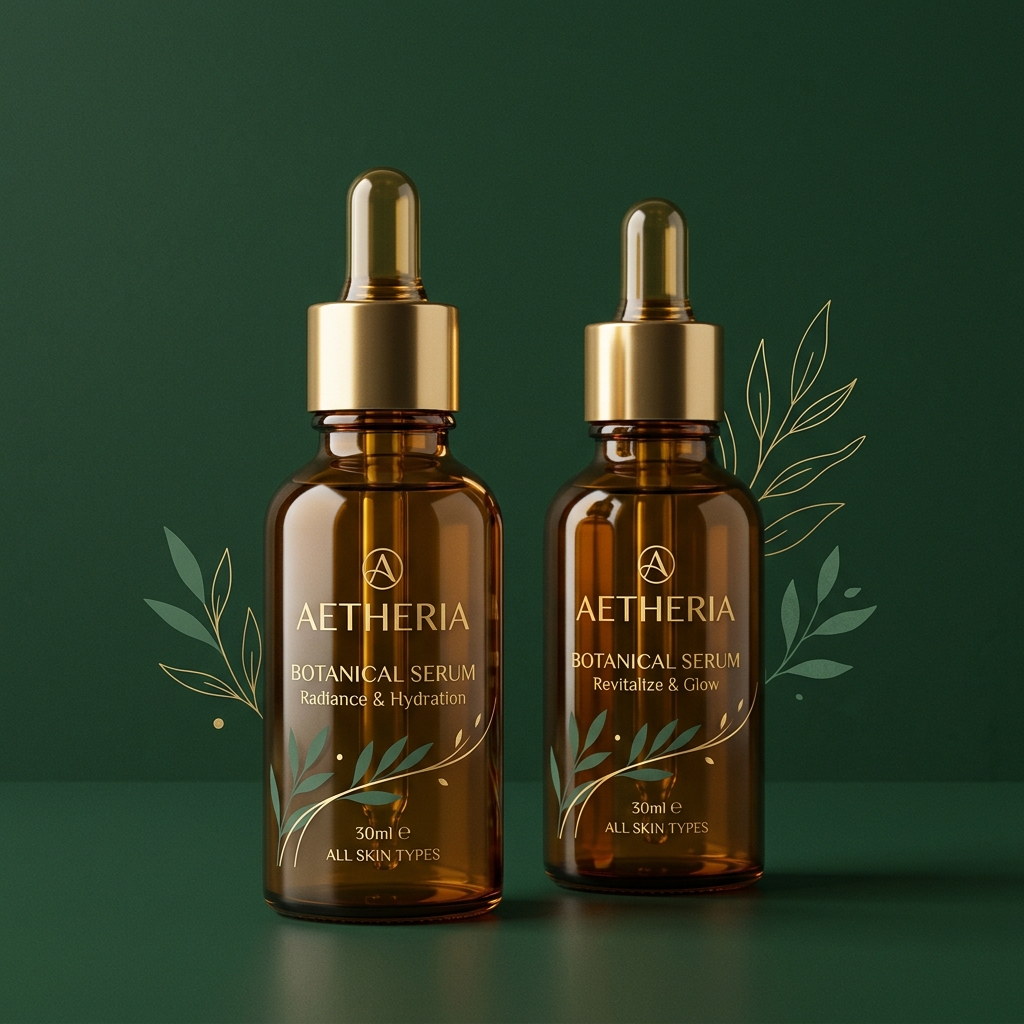
You apply a product you have used before, or one you just bought, and within seconds your face starts to sting. Sometimes it fades in a minute. Sometimes it builds into a burn that makes you want to rinse everything off.
Stinging is your skin communicating something, and the message is almost never “this is working.” That myth — that discomfort signals efficacy — has done real damage to a lot of people’s skin barriers.
This guide explains what stinging actually means, how to tell the difference between a harmless brief tingle, genuine irritation, and an allergic reaction that needs attention, and how to identify and fix the underlying cause.
Key Takeaway
Stinging is a signal, not a badge of efficacy. Brief tingling with certain actives can be acceptable, but sustained burning means your barrier is compromised.
Skincare Tip
Never assume that a burning sensation means a product is “working.” True efficacy shouldn’t feel like a chemical peel every single morning.
What Stinging Actually Signals
Healthy, intact skin does not sting when you apply a well-formulated product to it. When stinging happens, one of two things is usually true.
Your skin barrier is compromised
The outermost layer of your skin, the stratum corneum, functions as a protective wall. Skin cells act as bricks, held together by a lipid matrix of ceramides, cholesterol, and fatty acids acting as mortar.
When that mortar is depleted — through over-exfoliation, harsh cleansers, over-washing, environmental stress, or too many actives — the wall develops gaps. Two things follow: water escapes more easily (increased transepidermal water loss), and substances that would normally stay on the surface penetrate deeper, reaching nerve endings that should never encounter them.
This is why a compromised barrier makes previously fine products suddenly sting. The product did not change. Your skin’s ability to keep it where it belongs did.
The product itself is irritating
Some ingredients are inherently likely to cause stinging, particularly at higher concentrations or on skin already prone to sensitivity. This can happen even with a perfectly intact barrier.
Barrier Care
Your skin barrier is your first line of defense. When it’s compromised, even the most expensive and well-formulated serums will do more harm than good.
The Three Types of Reactions — and How to Tell Them Apart
This distinction matters, because the correct response differs substantially.
1. Brief, mild tingling (usually acceptable)
What it looks like: A light tingling sensation lasting under a minute, with no visible redness or swelling, and no lingering discomfort.
Common with: L-ascorbic acid at higher concentrations, freshly applied exfoliating acids, and the first few applications of a retinoid.
What to do: Monitor it. If it stays brief and mild and your skin looks normal afterward, it is generally tolerable. If it intensifies over subsequent uses, treat it as irritation.
2. Irritation / irritant contact dermatitis (needs action)
What it looks like: Stinging or burning that lasts several minutes or longer, often with visible redness, tightness, dryness, flaking, or a rough texture developing over days.
Key characteristic: Irritation is dose-dependent. It relates to how much, how strong, and how often — not to your immune system. Anyone will develop irritant dermatitis given a strong enough irritant.
What to do: Stop the offending product. Simplify your routine to cleanser, moisturizer, and sunscreen. Focus on barrier repair for two to four weeks before reintroducing anything.
3. Allergic contact dermatitis (needs attention)
What it looks like: Redness, itching, swelling, small bumps, or blistering, often appearing 12 to 72 hours after exposure rather than immediately. It may spread beyond the application area.
Key characteristic: This is an immune-mediated response. It only occurs in people sensitized to a specific ingredient, and once sensitized, the reaction typically occurs every time — often worsening with repeat exposure.
What to do: Stop the product immediately and do not reintroduce it. If reactions recur across multiple products, a dermatologist can perform patch testing to identify the specific allergen.
Seek medical attention promptly if you experience:
- Swelling of the lips, tongue, throat, or eyes
- Difficulty breathing or swallowing
- Widespread rash spreading beyond the application site
- Blistering, weeping, or open skin
- Severe pain rather than discomfort
These indicate a reaction beyond routine skincare irritation.
The Most Common Culprits
Exfoliating acids
Glycolic acid, lactic acid, salicylic acid, mandelic acid.
Brief tingling on application is common and often acceptable. Sustained burning is not. The most frequent problem is not the acid itself but frequency — daily use of a product designed for two to three times weekly.
Glycolic acid has the smallest molecular size of the common AHAs, penetrating fastest and most deeply, which makes it the most likely to sting. Lactic acid and mandelic acid are gentler alternatives that produce comparable results more slowly.
Retinoids
Retinol, retinaldehyde, adapalene, and tretinoin all commonly cause stinging during the initial adjustment period known as retinization.
Expected: mild stinging and dryness for two to six weeks, gradually settling. Not expected: burning that intensifies over time, persistent redness beyond eight weeks, or raw, painful skin.
Applying retinoids to damp skin significantly increases penetration and irritation. Always apply to completely dry skin.
Vitamin C (L-ascorbic acid)
L-ascorbic acid requires a low pH — generally below 3.5 — to penetrate effectively. That acidity is precisely what causes stinging in sensitive skin.
If your vitamin C serum stings persistently, switching to a derivative such as sodium ascorbyl phosphate or magnesium ascorbyl phosphate usually resolves it, since these formulate at a skin-friendly pH.
Denatured alcohol
Listed as alcohol denat., SD alcohol, or isopropyl alcohol, this is common in lightweight toners and gel products because it produces a fast-drying, weightless finish.
It also dissolves barrier lipids with repeated use, which is a meaningful problem for anyone with dry or sensitive skin. Fatty alcohols like cetyl alcohol and cetearyl alcohol are entirely different ingredients and are not drying.
Fragrance and essential oils
Fragrance is among the most common causes of allergic contact dermatitis in cosmetics. “Natural” fragrance offers no advantage here — essential oils including lavender, citrus oils, peppermint, and tea tree are frequent sensitizers.
Products labeled “unscented” may still contain masking fragrance. “Fragrance-free” is the more reliable label.
Menthol, camphor, and witch hazel
These produce a cooling or tightening sensation frequently marketed as evidence the product is working. In reality they are irritants that offer little benefit, and witch hazel formulations often contain significant alcohol.
Sunscreen filters
Some chemical UV filters — particularly avobenzone and oxybenzone — cause stinging in sensitive individuals, especially around the eyes. Mineral sunscreens using zinc oxide and titanium dioxide are typically better tolerated.
Why a Product You Have Used for Months Suddenly Stings
This is one of the most common and confusing scenarios, and the answer is almost always that your skin changed rather than the product.
Barrier damage accumulated gradually. Over-exfoliation and active stacking often cause no obvious problem until a threshold is crossed. Then everything stings at once.
Seasonal change. Cold weather, low humidity, and indoor heating all increase transepidermal water loss. A product that suited your skin in summer may be too much in winter.
Something new entered the routine. A new cleanser or exfoliant can compromise the barrier, making an unchanged product suddenly uncomfortable.
The product oxidized. Vitamin C serums and some oils degrade over time. An old, oxidized product can become more irritating.
Hormonal or health changes. Pregnancy, menstrual cycle phases, medication changes, illness, and significant stress can all alter skin sensitivity.
You developed an allergy. Sensitization can occur after months or years of uneventful use. Fragrance and preservatives are the most common culprits.
How to Identify the Cause
Working systematically is far more effective than guessing.
Step 1: Strip back completely. For seven to ten days, use only a gentle non-foaming cleanser, a simple fragrance-free moisturizer, and mineral sunscreen. Nothing else.
Step 2: Let the barrier recover. Wait until stinging fully stops and your skin feels normal. This may take one to four weeks depending on how compromised it was.
Step 3: Reintroduce one product at a time. Add a single product and use it for one to two weeks before adding anything else.
Step 4: Patch test before facial application. Apply a small amount to the inner forearm or behind the ear for three consecutive days. This will not catch every reaction, but it identifies obvious ones before they affect your face.
Step 5: Keep a written record. Note what you added, when, and any reaction. Memory is unreliable across weeks.
How to Repair a Damaged Skin Barrier
Barrier repair is one of the faster processes in skincare — most people see meaningful improvement within two to four weeks.
What to do
- Simplify aggressively: Cleanser, moisturizer, sunscreen only.
- Switch to a gentle cleanser: Non-foaming cream/milk, lukewarm water.
- Use a barrier-repair moisturizer: Ceramides, cholesterol, fatty acids.
- Consider occlusion at night: A thin layer of balm over moisturizer.
- Continue sunscreen: Mineral formulations are better tolerated.
What to avoid
- All exfoliants (chemical and physical)
- Retinoids (until fully recovered)
- Vitamin C at low pH
- Fragrance, essential oils, and denatured alcohol
- Cleansing devices and scrubs
- Adding new products "to help"
Once your skin feels normal, wait an additional week before reintroducing anything. Then add back a single active at reduced frequency — twice weekly rather than daily — and build up slowly over several weeks.
When Stinging Points to an Underlying Condition
Persistent sensitivity across many products sometimes reflects something beyond product choice.
Rosacea commonly presents with facial stinging and burning, often alongside flushing and visible blood vessels. Many standard skincare ingredients aggravate it.
Eczema (atopic dermatitis) involves inherent barrier dysfunction, making skin more reactive.
Seborrheic dermatitis can cause stinging alongside flaking and redness, often around the nose and eyebrows.
Perioral dermatitis produces bumps and stinging around the mouth and nose, sometimes triggered by topical steroids or heavy occlusive products.
If stinging persists despite simplifying your routine, or is accompanied by persistent redness, flaking, or bumps, a dermatologist can distinguish product irritation from an underlying condition. Continuing to swap products will not resolve a medical condition.
Where the Stinging Happens Tells You Something
The location of the sensation often points toward the cause.
Around the eyes. The skin here is significantly thinner than the rest of the face and has fewer oil glands, making it far more permeable. Products not formulated for the eye area frequently sting here even when the rest of the face tolerates them fine. Chemical sunscreen filters and vitamin C are common offenders. If the stinging is limited to this area, the product is likely fine elsewhere — just keep it away from the orbital bone.
Around the nose and nasolabial folds. Product tends to pool in these creases, concentrating the amount sitting on the skin. This area is also a common site for seborrheic dermatitis, which increases sensitivity independently. If stinging is consistently worst here, apply less product to the area or check whether flaking accompanies it.
Around the mouth. Persistent stinging with small bumps here can suggest perioral dermatitis, which is often triggered by heavy occlusive products, fluoride toothpaste, or topical steroid use. This is worth showing a dermatologist rather than treating with more skincare.
Freshly shaved areas. Shaving removes part of the stratum corneum along with hair. Applying actives immediately after shaving reliably causes stinging regardless of how gentle the product is. Wait several hours.
Everywhere at once. Widespread stinging across the whole face, particularly with products that never caused a problem before, points strongly to overall barrier compromise rather than a specific ingredient.
How to Prevent Stinging in the First Place
Most stinging is preventable with a few habits.
Introduce one product at a time. Two weeks between additions is a reasonable interval. This is slower than most people want, but it is the only way to know what caused a reaction when one occurs.
Patch test properly. Apply the product to the inner forearm or behind the ear once daily for three days. This does not catch everything, but it catches enough to be worth the small effort.
Start actives at low frequency. Twice weekly, then three times, then daily if tolerated. Starting at daily use is the most common reason people abandon otherwise suitable products.
Respect the drying time. Applying actives to damp skin increases penetration and irritation. Wait until skin is fully dry, particularly with retinoids.
Buffer when needed. Applying moisturizer before an active — or sandwiching the active between two layers of moisturizer — reduces contact intensity without eliminating benefit.
Do not layer multiple actives while adjusting. One active at a time until your skin has clearly adapted.
Keep a baseline routine you can always return to. A gentle cleanser, a bland moisturizer, and a mineral sunscreen you know your skin tolerates. When something goes wrong, having a known-safe routine to fall back on makes recovery straightforward.
Quick Reference: Stinging Risk by Ingredient
| Ingredient | Stinging risk | Notes |
|---|---|---|
| Glycolic acid | High | Smallest AHA molecule, penetrates fastest |
| L-ascorbic acid | High | Low pH is required for efficacy |
| Tretinoin / adapalene | High | Expected during retinization |
| Denatured alcohol | High | Dissolves barrier lipids over time |
| Menthol / camphor | High | Sensation is the marketed effect, not a benefit |
| Salicylic acid | Moderate | Better tolerated than glycolic for most |
| Retinol | Moderate | Concentration-dependent |
| Essential oils | Moderate to high | Common sensitizers despite “natural” framing |
| Chemical SPF filters | Moderate | Particularly around the eyes |
| Lactic acid | Low to moderate | Gentler AHA option |
| Mandelic acid | Low | Largest AHA molecule, slowest penetration |
| Bakuchiol | Low | Does not bind retinoid receptors |
| Azelaic acid | Low | Occasional transient tingling |
| Niacinamide | Low | Rare reactions at high concentrations |
| Vitamin C derivatives | Low | Formulated at skin-friendly pH |
| Ceramides | Very low | Barrier-supporting |
| Glycerin | Very low | Humectant |
| Squalane | Very low | Well tolerated by most skin types |
| Zinc oxide SPF | Very low | Usually best choice for reactive skin |
This is a general guide rather than a rule. Individual sensitivity varies considerably, and a well-formulated product containing a higher-risk ingredient can be better tolerated than a poorly formulated one containing gentle ingredients.
Frequently Asked Questions
Is it normal for skincare to sting a little? Brief, mild tingling lasting under a minute can be normal with acids, retinoids, or low-pH vitamin C. Sustained stinging, burning, or stinging that occurs with gentle products is not normal and indicates a compromised barrier or an irritating formulation.
Does stinging mean the product is working? No. This is a persistent and harmful myth. Efficacy and discomfort are unrelated — many of the most effective ingredients cause no sensation at all, and irritation actively slows progress by damaging the barrier.
Why does my moisturizer sting? A basic moisturizer stinging usually indicates a compromised barrier rather than a problem with the moisturizer. It can also point to specific irritants in the formula, most commonly fragrance, essential oils, or denatured alcohol.
How long does it take to repair a damaged skin barrier? Most people notice improvement within one to two weeks of simplifying their routine, with fuller recovery in two to four weeks. Severely compromised barriers can take longer.
Should I rinse off a product that stings? Yes. If a product causes significant burning, rinse with cool water immediately, apply a bland moisturizer, and discontinue use.
Can I build tolerance to a stinging product? Sometimes, with retinoids specifically, where retinization genuinely resolves. But pushing through sustained burning with acids or other actives generally causes cumulative damage rather than tolerance.
Why does vitamin C sting but my other serums do not? L-ascorbic acid requires a low pH to work, and that acidity is what causes stinging. Vitamin C derivatives formulate at higher pH and are usually far better tolerated.
Is stinging worse on damp skin? Yes. Damp skin increases absorption of actives, which amplifies irritation. Apply retinoids and acids to completely dry skin.
Retinol vs. Bakuchiol: Which One Is Right for Sensitive Skin?
Retinol or bakuchiol for sensitive skin? We compare the research, side effects, and results timelines. Read More →
The Bottom Line
Stinging is a signal, not a badge of efficacy. Brief tingling with certain actives can be acceptable, but sustained burning means something is wrong — usually a compromised barrier, an irritating ingredient, or a product being used more often or at a higher strength than your skin can handle.
If your face is stinging right now:
- Stop all actives immediately
- Simplify to gentle cleanser, bland moisturizer, and mineral sunscreen
- Wait until stinging fully resolves before changing anything
- Reintroduce one product at a time, slowly
- See a dermatologist if stinging persists despite a simplified routine
The instinct when skin misbehaves is to add something to fix it. Almost always, the better move is to remove things and let your skin recover.
This article is for informational purposes only and does not constitute medical advice. If you experience severe burning, swelling, blistering, or difficulty breathing after applying a product, seek medical attention promptly. For persistent skin sensitivity, consult a board-certified dermatologist.
Was this article helpful?

Anam Ahsan
Founder & Editor-in-ChiefI started Glam Rock Web because I was tired of beauty content that read like advertising. Everything published here is researched, tested where possible, and written to be useful — not to sell you something.



Comments (24)
Hannah W.
2 days agoThis guide saved me so much money — went with the budget pick and honestly can't tell the difference from serums twice the price!
Anam Ahsan Author
1 day agoSo glad it worked out for you, Hannah! That's exactly the kind of result we hoped readers would see.