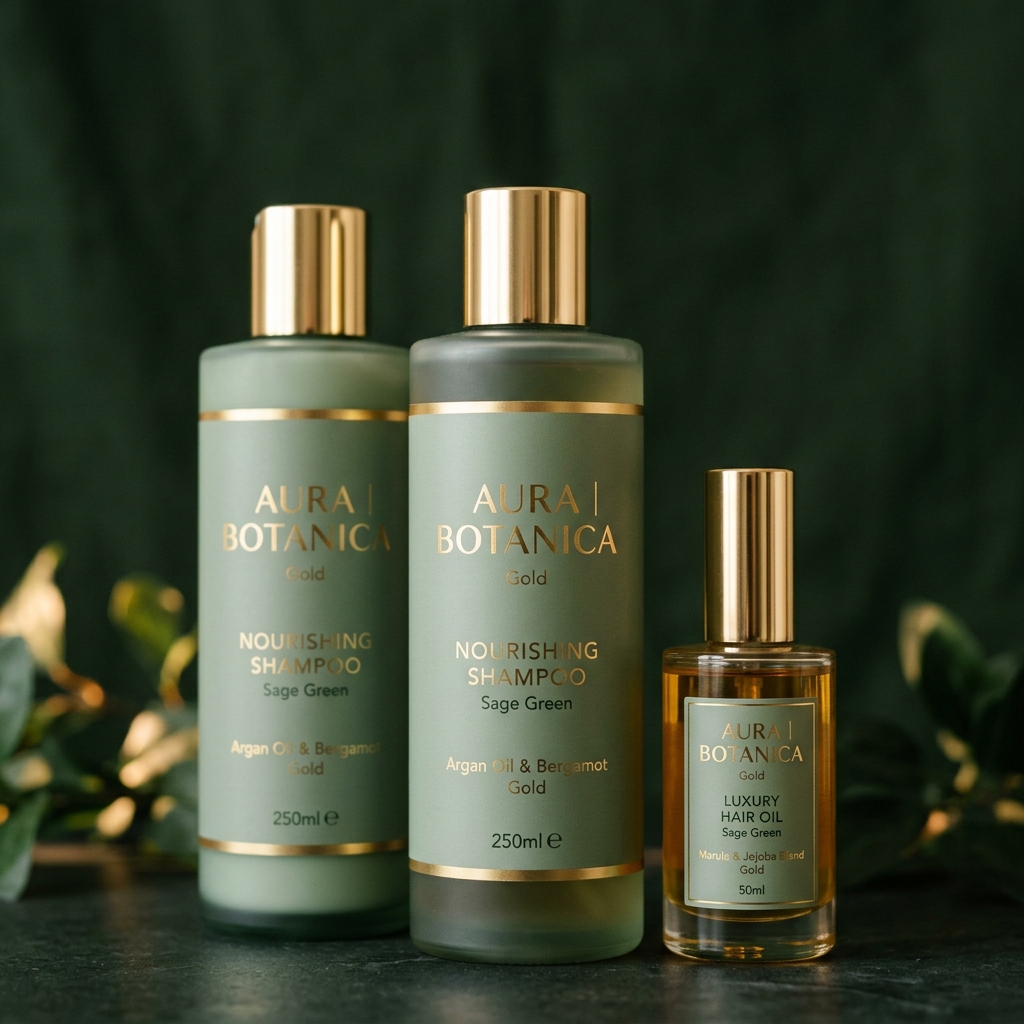
You wash your hair. It looks clean, feels light, sits properly. Twenty-four hours later — sometimes less — the roots are flat, the strands separate into greasy sections, and you are reaching for dry shampoo or planning another wash.
The obvious response is to wash more often. For a meaningful number of people, that makes the problem worse rather than better.
Fast greasiness usually has an identifiable cause, and it is rarely just “oily hair.” This guide covers the actual mechanisms behind rapid oil buildup, how to identify which applies to you, and what genuinely helps.
Key Takeaway
Washing oily hair more frequently often makes greasiness worse — the scalp overproduces oil to compensate for being stripped. Spacing out washes while addressing the root cause is almost always the better fix.
What Sebum Actually Is and Why You Need It
Sebum is an oily substance produced by sebaceous glands attached to hair follicles. On the scalp, these glands are larger and more numerous than almost anywhere else on the body.
Sebum serves real functions:
- Conditions and protects the hair shaft
- Maintains the scalp’s protective barrier
- Contributes to the scalp’s slightly acidic environment, which limits microbial overgrowth
- Reduces water loss from the skin
The goal is not eliminating sebum. It is managing it so hair looks and feels the way you want without compromising scalp health. Hair with no sebum at all would be dry, brittle, and prone to breakage.
What to do
- Space out wash days gradually: Extend between washes by one day at a time to recalibrate scalp oil production.
- Use a clarifying shampoo weekly: Removes silicone and product buildup that weighs hair down.
- Apply conditioner to ends only: Keeping it off the scalp prevents additional greasiness at the root.
What to avoid
- Washing daily with harsh shampoos: Strips the scalp, triggering reactive oil overproduction.
- Touching your hair frequently: Transfers oil from hands and distributes scalp sebum down the shaft.
- Using too much dry shampoo: It absorbs oil temporarily but causes buildup if used as a substitute for washing.
Cause 1: The Over-Washing Cycle
This is the most common and most counterintuitive cause.
How it works
Aggressive shampoos with high-concentration surfactants strip sebum thoroughly. That produces the clean, light feeling people associate with a good wash.
But stripping the scalp also compromises its barrier. A compromised barrier loses water faster, and the scalp responds — sometimes by increasing oil output, a compensatory reaction.
The cycle
- Hair feels greasy, so you wash with a strong shampoo
- Scalp is stripped and the barrier is compromised
- Scalp compensates by producing oil, sometimes faster than before
- Hair feels greasy sooner
- You wash more frequently, or with something stronger
The tell: hair that becomes greasy faster over time despite more frequent or more aggressive washing. If your hair used to last two days and now barely lasts one, and you have been washing more, this is likely the pattern.
A note on the science: the extent of compensatory sebum increase is debated among researchers, and it does not affect everyone equally. What is not debated is that harsh surfactants compromise the scalp barrier, and a compromised barrier makes everything else worse.
Cause 2: Product Buildup
Buildup makes hair look and feel greasy even when sebum production is normal.
What accumulates
Non-water-soluble silicones, particularly if you use gentle sulfate-free cleansers exclusively or co-wash without periodic clarifying.
Heavy oils and butters — coconut oil, shea butter, and similar, especially applied near the roots.
Dry shampoo residue. This is a major and frequently overlooked contributor. Dry shampoo absorbs oil but does not remove it — the oil and the starch remain on your scalp, accumulating with each application.
Styling products — waxes, pomades, mousses, and hairsprays.
Insufficiently rinsed conditioner, particularly when applied close to the scalp.
How to identify it
- Hair feels coated or waxy even right after washing
- Reduced volume developing gradually over weeks
- Conditioner and treatments seem less effective than they used to
- Scalp feels itchy or coated
- Hair looks dull despite regular conditioning
The test: wash once with a clarifying shampoo. If hair feels dramatically lighter and takes noticeably longer to become greasy afterward, buildup was a significant factor.
Cause 3: Hard Water
If you live in a hard water area, this is worth investigating.
Hard water contains dissolved calcium and magnesium, which deposit on hair and scalp. These deposits make hair feel rough, dull, and coated — and they interfere with how shampoo lathers and rinses, often leading people to use more product than necessary.
Signs of hard water effects:
- Hair feels rough or straw-like despite conditioning
- Shampoo does not lather well
- Soap scum in your shower
- Colour-treated hair fades unusually fast
- The problem improved noticeably when you travelled somewhere else
The fix: a chelating shampoo used every one to two weeks removes mineral deposits. A shower filter reduces ongoing exposure, though effectiveness varies considerably by product.
Cause 4: Washing Technique
How you wash matters as much as what you wash with.
Common errors
Shampooing the lengths instead of the scalp. Shampoo is for the scalp. The lengths get cleaned adequately by the runoff. Many people lather through the ends and barely touch the roots — where the oil actually is.
Insufficient contact time. A quick lather-and-rinse does not dissolve sebum properly. Massage the scalp for at least 30-60 seconds.
Skipping a second shampoo when needed. If you have significant buildup or have not washed in several days, one shampoo may only remove surface debris. A second, shorter wash cleans properly.
Inadequate rinsing. Residual shampoo and conditioner at the roots is a genuine cause of the scalp feeling coated and greasy quickly.
Applying conditioner to the scalp. Conditioner belongs on mid-lengths and ends only. Applied at the roots, it weighs hair down and contributes to fast greasiness.
Water too hot. Hot water strips the scalp barrier and can increase irritation.
The corrected method
- Wet hair thoroughly — longer than feels necessary
- Apply shampoo to the scalp, not the lengths
- Massage with fingertips, not nails, for 30-60 seconds
- Rinse completely
- Repeat if you have buildup or have gone several days
- Apply conditioner from mid-length to ends only
- Rinse thoroughly with cooler water
Cause 5: Touching and Environmental Transfer
Sebum transfers easily, and hair collects it from more sources than people realize.
Frequent touching moves oil from your hands to your hair throughout the day.
Hair brushing distributes scalp sebum down the shaft. This is beneficial for hair health but makes greasiness more visible at the roots.
Pillowcases accumulate oil. Washing them regularly, or using a silk pillowcase, reduces transfer.
Hats, helmets, and headbands trap heat and oil against the scalp.
Facial skincare migrating into the hairline, particularly heavy or occlusive products.
Hair against the face picks up facial sebum, which is why front sections often look greasy first.
Cause 6: Hair Type and Texture
Fine, straight hair shows grease fastest. Sebum travels down a straight shaft easily and there is less surface area to distribute it across. Fine hair also has more strands per square inch, meaning more sebaceous glands in the same area.
Coarse, curly, or coily hair shows it slowest. The bends and twists in the shaft slow sebum’s travel, which is why textured hair often needs washing far less frequently and frequently benefits from added oils.
Low-porosity hair can appear greasy because products sit on the surface rather than absorbing.
This is genuinely a factor you cannot change — but it does mean comparing your washing frequency to someone with a different hair type is not useful.
Cause 7: Hormonal Factors
Sebum production is regulated primarily by androgens, particularly dihydrotestosterone.
Situations where this becomes relevant:
- Puberty and adolescence
- Menstrual cycle fluctuations
- Pregnancy and postpartum
- Perimenopause and menopause
- Starting or stopping hormonal contraception
- Polycystic ovary syndrome
- Certain medications
When to seek medical input: if increased oiliness appeared suddenly alongside other changes — irregular periods, unusual hair growth or loss, acne appearing in adulthood — that combination warrants a conversation with a doctor rather than a change of shampoo.
Cause 8: Scalp Conditions
Some scalp conditions present as greasiness alongside other symptoms.
Seborrhoeic dermatitis involves an inflammatory response associated with Malassezia yeast, which feeds on sebum. It presents as greasy, flaky, sometimes itchy or red patches, commonly at the hairline, behind the ears, and in the eyebrows.
Signs it may be more than oiliness:
- Yellowish, greasy-looking flakes rather than dry white ones
- Redness or visible irritation
- Itching that persists after washing
- Flaking that returns within a day or two
- Similar symptoms elsewhere — eyebrows, sides of the nose, chest
This responds to targeted treatment — antifungal shampoos containing ketoconazole, zinc pyrithione, or selenium sulfide — rather than to changing your regular shampoo. If flaking and itching accompany the greasiness, treating it as a simple oiliness problem will not work.
Folliculitis, presenting as small inflamed bumps on the scalp, is another condition worth having assessed rather than self-treating.
What Actually Helps
Adjust your shampoo, not just your frequency
Avoid high-concentration harsh sulfates if your scalp is reactive, but do not avoid effective cleansing entirely. Look for gentler surfactant systems that still clean properly — sodium laureth sulfate is milder than sodium lauryl sulfate, and non-sulfate systems can clean adequately when well formulated.
Clarify periodically — every two to four weeks if you use silicones, dry shampoo, or styling products regularly.
Consider a chelating shampoo if you have hard water.
Wash at the right frequency for you
There is no universal correct frequency. Fine, straight hair with an oily scalp may genuinely need daily washing. Coarse, curly hair may do well with twice weekly.
If you suspect over-washing: rather than dropping suddenly to twice weekly, extend gradually — add a day every week or two. Sudden reduction produces a difficult adjustment period that most people abandon.
Address the scalp as skin
The scalp is skin, and it responds to the same principles.
Niacinamide and salicylic acid appear in some scalp treatments and have relevant research for sebum regulation and exfoliation.
Scalp exfoliation once weekly can help with buildup, though it should be gentle.
Avoid heavy oils at the roots. Oil treatments belong on lengths and ends.
Reduce dry shampoo dependence
Dry shampoo is useful occasionally but is frequently overused. It masks rather than removes oil, and the residue accumulates.
A reasonable approach: use it for one day between washes, not several consecutive days. Always wash properly afterward.
Keep products off the scalp
Conditioner, masks, oils, and styling products belong on the lengths. This single change resolves the problem for a meaningful number of people.
A Practical Troubleshooting Sequence
Work through these in order rather than changing everything at once.
Step 1 — Clarify. One clarifying wash. If hair stays fresh noticeably longer afterward, buildup was your primary issue. Establish a regular clarifying schedule.
Step 2 — Fix technique. Shampoo the scalp only, massage 30-60 seconds, rinse thoroughly, conditioner on ends only. Give it two weeks.
Step 3 — Assess your shampoo. If your scalp feels tight after washing, switch to a gentler formulation. Give it three to four weeks.
Step 4 — Check your water. If you have hard water indicators, add a chelating shampoo every one to two weeks.
Step 5 — Reduce dry shampoo. Cut back to occasional use and observe over a month.
Step 6 — Adjust frequency gradually. Only after the above. Extend by one day at a time.
Step 7 — Consider the scalp itself. If persistent flakes or discomfort are present, consider specialized anti-flake products rather than continuing to change standard daily shampoos.
Managing Grease Between Washes
While you work on the underlying causes, these help hair look better on day two and three.
Blot rather than add product. A clean tissue or blotting paper pressed against the roots removes surface oil without adding residue. This is more effective than most people expect and leaves nothing behind.
Apply dry shampoo the night before. Applied at night, it has hours to absorb oil as it is produced, rather than sitting on top of oil already present. Brush it out thoroughly in the morning.
Change your parting. Roots look flattest along the parting, where sebum is most visible. Shifting the parting an inch instantly improves the appearance of volume.
Use styles that work with oiliness. Slicked-back styles, low buns, and braids look intentional on day two in a way that loose hair does not. Fighting the texture is harder than working with it.
Keep hair off your face. Front sections pick up facial sebum and skincare products, which is why they often look greasy first.
Clean your brush regularly. A brush loaded with old sebum and product redistributes it every time you use it. Wash brushes and combs every few weeks.
Rinse without shampooing. A water-only rinse with a scalp massage removes some surface oil and refreshes hair without stripping. This works better than many people assume, particularly for those extending time between washes.
Avoid heat styling on greasy hair. Heat can spread sebum and make it more visible. If you must, use the cooler setting.
What Does Not Reliably Work
Apple cider vinegar rinses. Popular advice, limited benefit. ACV can help slightly with mineral deposits and pH, but it does not dissolve sebum or silicone buildup meaningfully. It also has a strong smell.
Baking soda washes. Highly alkaline and genuinely damaging to the hair cuticle over time. This one is worth avoiding entirely.
Lemon juice. Acidic, drying, and can cause photosensitivity reactions on the scalp.
Washing with dish soap. Extremely stripping. It will remove buildup, but at real cost to the scalp barrier — the exact damage that starts the over-washing cycle.
“Training” your hair by not washing for weeks. Sebum production is regulated by internal factors, not by how long you wait. Extended periods without washing produce buildup and can contribute to scalp problems rather than retraining anything.
Expensive shampoo. Formulation matters, but price correlates poorly with performance in this category. Surfactant systems are well-understood and inexpensive.
Frequently Asked Questions
Why is my hair greasy the day after washing? Common causes include over-washing with harsh shampoos, product buildup, applying conditioner too close to the scalp, dry shampoo residue, hard water, and simply having fine straight hair, which shows sebum fastest.
Does washing hair less often reduce oiliness? It can help if harsh shampoos have compromised your scalp barrier, but it is not universal. Extend gradually rather than dropping abruptly, and address technique and product buildup first.
Is it bad to wash hair every day? Not inherently. If your scalp produces oil quickly and you use a gentle shampoo, daily washing is fine. The problem is harsh cleansing, not frequency itself.
Does dry shampoo make hair greasier? Indirectly, yes. It absorbs oil without removing it, and repeated use accumulates residue on the scalp. Occasional use is fine; consecutive days of use contributes to the problem.
Can hard water make hair greasy? Hard water leaves mineral deposits that make hair feel coated and rough, and interfere with proper rinsing. A chelating shampoo used periodically addresses this.
Why does my scalp get oily but my ends stay dry? Sebum is produced at the scalp and travels down the shaft slowly. The ends are the oldest, most weathered part of the hair and receive the least. This is normal — condition the ends, cleanse the scalp.
Should I use conditioner if my hair gets greasy? Yes, but on mid-lengths and ends only. Skipping conditioner entirely leaves hair rough and prone to breakage without reducing scalp oil.
Could greasy hair mean a medical problem? Usually not. However, sudden onset alongside other hormonal symptoms, or greasiness accompanied by flaking, itching, redness, or bumps, warrants medical assessment — the latter suggests a scalp condition rather than simple oiliness.
How long does it take to adjust to washing less often? If you reduce frequency gradually, most people adapt within four to six weeks. Abrupt reduction produces a longer, more uncomfortable adjustment that many abandon.
The Bottom Line
Hair that becomes greasy quickly is rarely just a matter of having oily hair. In most cases it reflects a combination of factors — often washing technique, product buildup, and shampoo choice working together.
The changes that help most people:
- Shampoo the scalp, not the lengths, and massage for 30-60 seconds
- Keep conditioner and oils off the roots
- Clarify every two to four weeks if you use silicones, dry shampoo, or styling products
- Switch to a gentler shampoo if your scalp feels tight after washing
- Reduce dry shampoo to occasional rather than consecutive-day use
- Adjust frequency gradually, not abruptly
And know when to switch to specialized products. If greasiness comes with persistent, stubborn flakes and discomfort, it often needs a targeted anti-flake treatment rather than a standard daily shampoo.
For everyone else, the counterintuitive answer usually applies: gentler cleansing, done properly, produces cleaner-feeling hair for longer than aggressive washing does.
Was this article helpful?

Anam Ahsan
Skincare Enthusiast & BloggerHi, I'm Anam! I'm a beauty and skincare enthusiast who loves testing new products and sharing honest, personal reviews. I document my skincare journey and share what works for my skin so you can make better choices for your routine.


Comments (24)
Hannah W.
2 days agoThis guide saved me so much money — went with the budget pick and honestly can't tell the difference from serums twice the price!
Anam Ahsan Author
1 day agoSo glad it worked out for you, Hannah! That's exactly the kind of result we hoped readers would see.