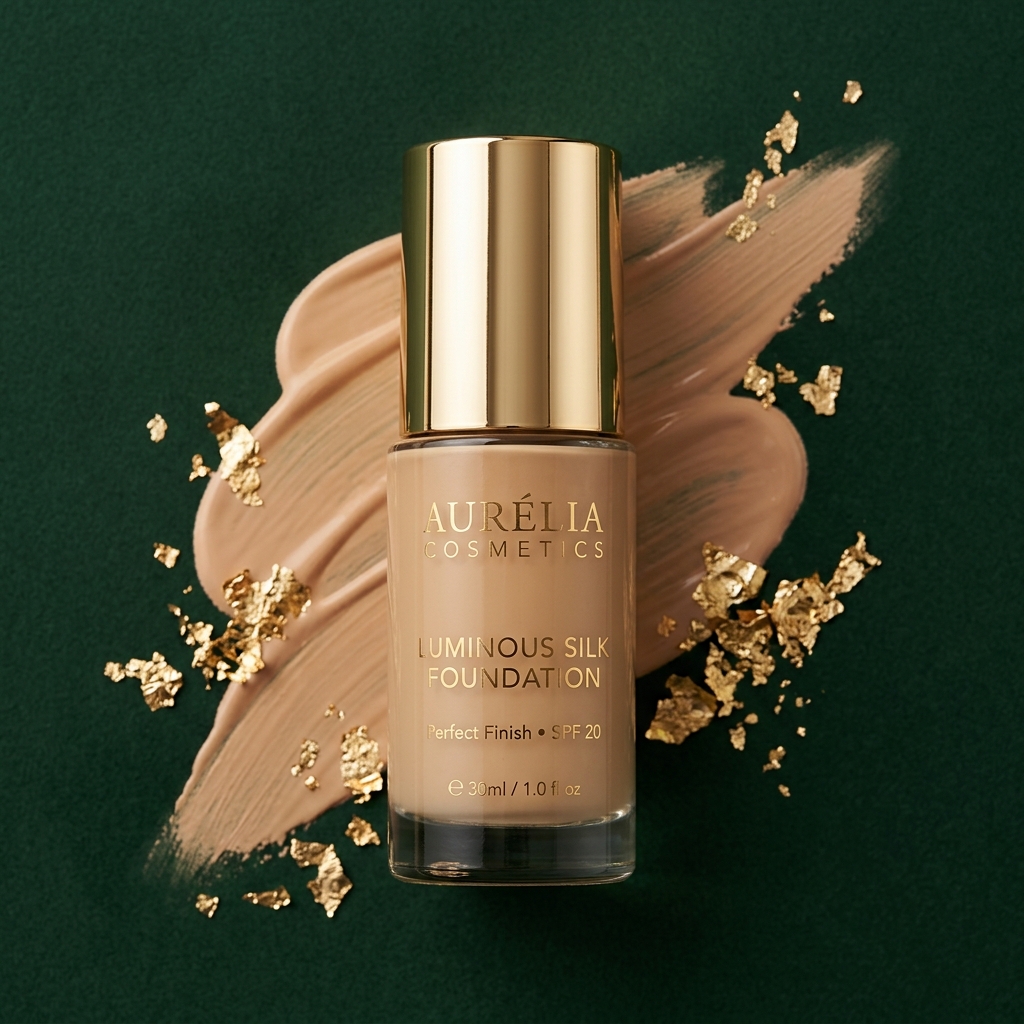
A foundation that looks flawless at eight in the morning and patchy by two in the afternoon is one of the more frustrating experiences in makeup. You bought the product marketed as long-wearing. You applied it carefully. It still broke down.
The problem is usually not the foundation. In most cases, it is a mismatch between the formula and your skin, or a preparation step that is working against you.
Rather than a list of specific products — which change formulation, get discontinued, and vary enormously by skin type — this guide covers what actually makes a foundation long-wearing, how to identify why yours is failing, and the technique adjustments that extend wear time regardless of which product you use.
Key Takeaway
Foundation longevity is mostly determined before you apply it — by how you prep your skin and what you apply underneath. The product itself is only part of the equation.
What “Long-Wear” Actually Means in a Formula
Long-wear foundations achieve durability through specific formulation choices. Understanding these helps you identify one on an ingredient list rather than trusting front-label claims.
Film-forming polymers
These create a flexible layer that adheres to skin and resists transfer. Look for ingredients containing “polymer,” “acrylate,” or “copolymer” — trimethylsiloxysilicate is a common example.
What this means for wear: stronger adhesion, better transfer resistance, longer wear.
The trade-off: these formulas can feel tighter, are harder to blend once set, and can emphasize dry patches. They also require more thorough cleansing.
Silicone bases
Silicones — dimethicone, cyclopentasiloxane, and similar — create a smooth barrier between skin and pigment.
What this means for wear: silicone-based foundations resist sebum breakthrough considerably better than water-based ones, because oil struggles to penetrate the silicone film.
Why this matters most for oily skin: if your foundation breaks down in the T-zone specifically, switching from a water-based to a silicone-based formula often solves it outright.
Higher pigment load with lower water content
Long-wear formulas typically contain more pigment and less water. Less water means less evaporation and less shifting as the product dries down.
The trade-off: heavier coverage, less natural finish, and more visible texture on dry or flaky skin.
Oil-absorbing components
Silica, kaolin, and similar powders absorb sebum as it surfaces, delaying breakdown.
The trade-off: these can look flat or emphasize dryness on skin that is not genuinely oily.
What long-wear formulas sacrifice
Being honest about this matters, because many people buy long-wear foundation and then dislike wearing it:
- Comfort — they often feel tighter and less breathable
- Natural finish — the dewy, skin-like look is difficult to achieve
- Blendability — they set fast, leaving less working time
- Suitability for dry skin — they can cling to dry patches and emphasize texture
If your skin is dry and you have been fighting long-wear formulas, the formula may simply be wrong for you rather than poorly applied.
What to do
- Prep skin properly: Moisturise, let it absorb, then apply a skin-matched primer.
- Set with powder: A light dusting of translucent setting powder locks everything in.
- Use setting spray: Melts powder into foundation and adds weather resistance.
What to avoid
- Skipping primer: Foundation on bare skin has nothing to grip to.
- Too much moisturizer: Excess product creates a slip layer that foundation slides on.
- Applying too thickly: Heavy application is more likely to crack and crease by midday.
Diagnose Why Yours Is Failing
Different failure patterns have different causes. Identify yours before changing products.
It slides off or looks patchy in the T-zone
Cause: sebum breakthrough. Oil surfaces through the foundation, disrupting the film.
Fix: switch to a silicone-based formula, use a mattifying primer in oily areas only, set with powder where you produce oil, and blot rather than powder during the day.
It separates or pills within an hour
Cause: product incompatibility, usually water-based over silicone-based or vice versa, or applying makeup before skincare has absorbed.
Fix: match bases — check for -cone ingredients high in the list on both primer and foundation. Wait several minutes after skincare before applying makeup.
It clings to dry patches and looks flaky
Cause: insufficient hydration or exfoliation, or a formula too matte for your skin.
Fix: address the skin first. Gentle exfoliation two to three times weekly, adequate moisturizing, and a more hydrating foundation base. No application technique fixes underlying dryness.
It fades evenly across the whole face
Cause: transfer — from touching your face, phone contact, masks, or clothing — or a formula with weak adhesion.
Fix: a setting spray, a formula with film-forming polymers, and reducing face-touching.
It settles into fine lines and pores
Cause: too much product, insufficient skin prep, or a heavy formula.
Fix: apply thinner layers and build only where needed. Use a smoothing primer on textured areas. Avoid applying powder over creases.
The colour shifts during wear
Cause: oxidation, sebum interaction, or undertone mismatch. These are distinct problems with different solutions.
Fix: see the diagnostic tests in our dedicated article on foundation oxidation — the approach depends entirely on which cause applies.
Skin Prep: Where Longevity Actually Starts
The majority of wear-time problems originate before foundation touches your face.
Balance hydration and oil
Dehydrated skin produces more oil, which breaks foundation down faster. Skipping moisturizer because you are oily is counterproductive.
The approach: a lightweight gel moisturizer, applied at least five to ten minutes before makeup. Skin should feel hydrated but not slippery.
Manage texture in advance
Foundation sits on whatever is underneath. Flaking, congestion, and rough patches all show through and cause uneven breakdown.
The approach: gentle chemical exfoliation two to three times weekly. Not the same day as an important event — exfoliate two days before, not the morning of.
Let skincare absorb fully
Applying foundation over wet skincare is a leading cause of pilling and early breakdown.
The approach: wait five to ten minutes after moisturizer and sunscreen. Use the time for hair or coffee.
Consider whether you need primer
Primer is genuinely useful in specific cases and unnecessary in others.
Worth using when: you have targeted concerns — oiliness in the T-zone, visible pores in one area, dryness on the cheeks.
Apply it zonally, not all over. A full-face mattifying primer makes dry areas look flat and emphasizes texture.
Match the base. Silicone primer with silicone foundation; water-based with water-based.
Skip it when: your foundation performs well without it. Many people use primer from habit rather than need.
Application Technique for Maximum Wear
Use less product
This is the single most impactful change most people can make.
Thick foundation has more material to break down, move, and settle into lines. Thin, even layers adhere better and last longer.
The approach: start with roughly half what you normally use. Build only where you need more coverage.
Choose your tool deliberately
Damp sponge: sheers out the product and presses it into skin. Excellent adhesion, but absorbs some product and adds moisture — which can shorten wear on very oily skin.
Dense brush: gives more coverage with less product absorption. Buff in circular motions, then press to set.
Fingers: warmth helps melt product into skin. Good for sheer application; harder to achieve even coverage.
For maximum longevity: apply with a brush, then press gently with a barely damp sponge to remove excess and improve adhesion.
Apply in thin layers, working outward
Start at the centre of the face — where coverage is usually most needed — and blend outward. The natural taper toward the edges avoids visible lines and looks more natural as the day progresses.
Allow it to set before powdering
Give foundation one to two minutes to settle before applying powder. Powdering immediately over wet foundation causes patchiness and can lift the product.
Setting: Doing It Properly
Setting powder
Where: only where you produce oil. Full-face powdering makes dry areas look flat and adds unnecessary product.
How much: press a small amount with a puff or dense brush rather than sweeping it on. Pressing sets; sweeping disturbs the foundation underneath.
Which type: translucent powders can cause flashback in photographs due to their silica or titanium dioxide content. If you photograph frequently, a tinted powder in your shade avoids this.
On baking: applying a thick layer of powder and leaving it several minutes before dusting off can extend wear in oily areas, but it emphasizes dryness and texture. Use it selectively, if at all.
Setting spray
Setting sprays help by forming a light film that reduces transfer and helps layers meld together.
How to use it: hold roughly 8-10 inches away and spray in an X and T motion. Let it dry fully without touching.
A useful technique: spray, allow to dry, then apply a second light layer. Building in thin layers works better than one heavy application.
What it will not do: prevent sebum breakthrough or fix an incompatible formula. It improves an already-suitable setup rather than rescuing an unsuitable one.
Maintaining It Through a Long Day
Blot, do not powder. Blotting paper removes surface oil. Adding powder on top of existing oil creates a thick, cakey texture that looks worse than the oil did.
If you must powder, blot first, then press a small amount of powder only where needed.
Carry a small brush or sponge rather than reapplying foundation directly. Often you can redistribute existing product rather than adding more.
Reapply strategically. If a specific area has faded, apply a small amount there rather than reapplying across the whole face.
Avoid touching your face. This is the most common cause of even fading and is the hardest habit to change.
For sunscreen reapplication over makeup: powder or spray sunscreens are the practical options. They apply more thinly than a full application, so treat them as topping up rather than complete reapplication.
Choosing a Foundation That Will Last
Rather than trusting “24-hour wear” claims, evaluate these factors.
Check the base. Look for dimethicone, cyclopentasiloxane, or similar -cone ingredients high on the list. Silicone-based formulas generally outlast water-based ones for oily skin.
Look for film-forming polymers. Acrylate or copolymer ingredients indicate genuine transfer resistance.
Match to your skin type honestly. Long-wear matte formulas suit oily skin. Dry skin usually does better with a hydrating formula plus targeted setting, since matte formulas cling to dry patches and look worse over time rather than better.
Test before committing. Wear it for a full day before deciding. Many foundations look excellent for two hours and reveal their problems by hour six.
Consider the finish you actually want. A dewy finish will never last as long as a matte one. If you want both longevity and glow, the practical approach is a long-wear base with strategic highlighter rather than a dewy foundation.
Do not assume price predicts performance. Foundation longevity depends on formulation chemistry — silicones, polymers, pigment load — none of which are exclusive to premium brands.
Realistic Expectations
Some honesty is useful here.
“24-hour wear” claims are marketing. They are tested under controlled conditions that bear little resemblance to a real day involving heat, sweat, face-touching, eating, and talking.
Eight to twelve hours is a realistic ceiling for a well-matched foundation on prepped skin with proper setting.
Very oily skin will always need midday blotting. No foundation eliminates sebum production. Managing it is the realistic goal, not preventing it.
Perfect wear does not exist. Some settling into lines, some fading around the nose and mouth, and some shine by evening is normal. Aiming for “still looks good” rather than “looks freshly applied” is a more achievable standard.
Adjusting for Specific Situations
A routine that works for an office day may fail entirely at an outdoor wedding. These are the adjustments worth knowing.
Hot and humid weather
Heat increases sebum production and sweat, both of which break foundation down faster.
Adjustments: switch to a lighter coverage — heavy foundation in humidity looks worse as it degrades than light coverage does. Use a mattifying primer in oily zones, set more thoroughly than usual, and carry blotting paper rather than powder. Consider skipping foundation on the areas that need it least and using concealer only where necessary.
Cold and dry weather
The opposite problem — matte formulas cling to dry patches and emphasize flaking.
Adjustments: exfoliate gently a few days beforehand, use a hydrating primer, and choose a foundation with more emollient content. Set only the T-zone, if at all.
Long events and weddings
Adjustments: apply in thin layers with adequate setting time between each. Take blotting paper and a small amount of powder. Avoid heavy application, which looks progressively worse over twelve hours. A setting spray applied in two thin layers, allowed to dry between, genuinely helps here.
Photography and flash
Silica and titanium dioxide in translucent powders reflect flash, causing white cast in photographs.
Adjustments: use a tinted powder matched to your shade rather than translucent, set lightly, and test with flash beforehand if the occasion matters.
Masks and face coverings
Friction removes foundation quickly regardless of formula.
Adjustments: transfer-resistant formulas with film-forming polymers perform best. Set the lower face more thoroughly, or consider skipping foundation on covered areas entirely and focusing coverage on the eye area.
Workouts and heavy sweating
No foundation reliably survives sustained sweating.
Adjustments: the practical answer is minimal or no foundation during exercise. Tinted moisturizer with SPF is a more sensible option than trying to make full coverage survive a workout.
Mistakes That Shorten Wear Time
1. Applying foundation over unabsorbed skincare. The most common cause of pilling and early breakdown. Five to ten minutes of patience prevents it.
2. Using a full-face mattifying primer. It flattens dry areas and creates uneven breakdown. Zone-specific application works considerably better.
3. Building coverage by layering more product. Each additional layer adheres less well than the one beneath it. Use a concealer for targeted coverage instead.
4. Powdering over oil. This creates a thick, grey, cakey texture. Blot first, always.
5. Applying setting spray too close. Spraying from a short distance saturates the makeup and can disturb it. Eight to ten inches is the useful range.
6. Exfoliating the morning of an important event. Freshly exfoliated skin is more permeable and can be slightly inflamed. Exfoliate two to three days beforehand.
7. Touching your face throughout the day. Every contact removes product and transfers oil. It is a difficult habit to break but has a larger effect than most product choices.
8. Choosing a formula for the finish you want rather than the skin you have. A dewy foundation on oily skin will not last, no matter what you layer over it. Matching the formula to your skin type honestly is the foundation of everything else in this article.
Frequently Asked Questions
Why does my foundation break down after a few hours? Most commonly sebum breakthrough in oily areas, or applying too much product. A silicone-based formula, thinner application, and targeted powder in oily zones addresses the majority of cases.
Does primer actually help foundation last longer? It can, when matched correctly to your foundation base and applied where you have a specific concern. A mismatched primer frequently causes pilling and shortens wear rather than extending it.
Should I use setting powder or setting spray? Both serve different purposes. Powder absorbs oil and sets the product; spray reduces transfer and melds layers. Using both — powder first, then spray — works well for long days.
Why does my foundation look cakey by the afternoon? Usually too much product, or powder applied over existing oil. Blot before powdering, and use less foundation from the start.
Can dry skin wear long-wear foundation? It can, but matte long-wear formulas often emphasize dryness and texture. A hydrating foundation with targeted setting powder typically looks better throughout the day than a matte formula that clings to dry patches.
How do I stop foundation settling into my pores? Apply thinner layers, use a smoothing primer on affected areas only, and press rather than sweep when setting. Avoid applying powder directly over pores.
Is expensive foundation longer-wearing? Not reliably. Longevity comes from silicone bases, film-forming polymers, and pigment load — formulation choices available at every price point.
Does setting spray really work? It genuinely reduces transfer and helps layers meld, which extends wear modestly. It will not compensate for a foundation that is wrong for your skin type.
How do I reapply sunscreen without ruining my makeup? Powder or spray sunscreens are the practical options. Both apply thinly compared to a proper application, so treat them as partial protection rather than a full reapplication.
The Bottom Line
Foundation longevity is determined more by preparation and formula matching than by any product claim on the box.
The changes that make the biggest difference:
- Match the base to your skin — silicone-based formulas for oily skin resist sebum breakthrough considerably better
- Use less product — thin layers adhere better and break down less visibly
- Prep properly — hydrated, smooth skin with fully absorbed skincare is the foundation of everything else
- Set strategically — powder only where you produce oil, pressed rather than swept
- Blot, do not powder, during the day
And diagnose before you shop. If your foundation fails in the T-zone, that is a sebum problem. If it pills, that is a compatibility problem. If it clings to dry patches, that is a skin problem. Each has a different fix, and buying a new foundation solves only one of them.
Twelve hours of genuinely good wear is achievable for most people. It requires matching the formula to your skin honestly — including accepting that a dewy finish and all-day wear are largely incompatible goals.
Was this article helpful?

Anam Ahsan
Skincare Enthusiast & BloggerHi, I'm Anam! I'm a beauty and skincare enthusiast who loves testing new products and sharing honest, personal reviews. I document my skincare journey and share what works for my skin so you can make better choices for your routine.


Comments (24)
Hannah W.
2 days agoThis guide saved me so much money — went with the budget pick and honestly can't tell the difference from serums twice the price!
Anam Ahsan Author
1 day agoSo glad it worked out for you, Hannah! That's exactly the kind of result we hoped readers would see.