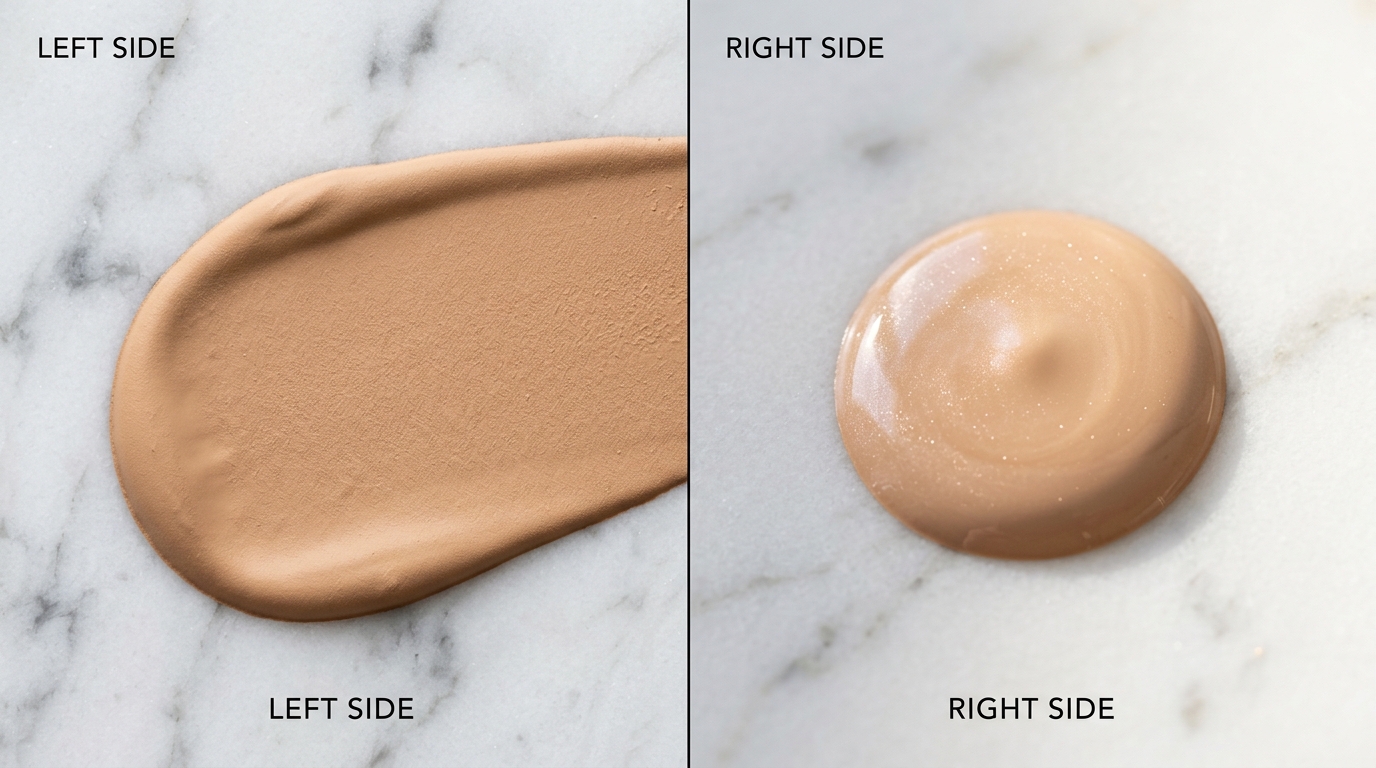
Matte vs. Dewy Foundation for Acne-Prone Skin: Which Finish Is Best?
Ask ten people with acne-prone skin whether they prefer matte or dewy foundation and you will get ten different answers. Some swear by matte because it controls shine. Others prefer dewy because it makes their skin look healthier. And a third group picks whichever finish happens to be trending that season.
The truth is more nuanced than "matte controls oil" or "dewy looks natural." For acne-prone skin specifically, the right finish depends on three things: your skin type (oily, dry, or combination), your main cosmetic concern (shine, texture, or dullness), and the climate you live in.
Based on our cosmetic testing and makeup artist guidance, the best finish for most people with acne-prone skin is a natural matte or soft satin — matte enough to control the look of shine, but not so flat that it emphasises texture. Very matte foundations emphasise dryness and texture, and very dewy foundations can make oily skin look oilier. The middle ground usually wins.
This guide breaks down all four finishes — matte, natural matte, satin, and dewy — and explains which one suits which type of acne-prone skin, plus how to customise a finish with powder or setting spray.
Best for oily acne-prone skin: Natural matte. Best for dry acne-prone skin: Satin or luminous. Best for combination skin: Satin with powder only on the T-zone. Best for texture: Satin — reflects light softly. Worst for texture: Very flat matte and very dewy.
Key Takeaway
The matte vs. dewy debate misses the middle ground. For most acne-prone skin, a natural matte or soft satin finish is the best cosmetic balance — it controls the look of shine without emphasising texture, and reflects light softly without looking oily. Very matte and very dewy finishes both draw attention to texture.
The Four Foundation Finishes Explained
"Matte vs. dewy" is often presented as a simple choice, but most foundations actually fall into one of four finish categories. Understanding all four helps you pick the right one.
| Finish | What It Looks Like | Best For | Drawback |
|---|---|---|---|
| Flat Matte | No shine at all; powdery or velvety | Very oily skin, all-day shine control | Emphasises dryness, texture, and flaking |
| Natural Matte | Shine-controlled but still looks like skin | Oily and combination acne-prone skin | Slightly less glow than satin |
| Satin | Soft, subtle radiance; middle ground | Combination, normal, and textured skin | May need light powder on the T-zone |
| Dewy / Luminous | Clearly glowing, reflective finish | Dry and mature acne-prone skin | Can look oily on oily skin; highlights texture |
The key insight: Most modern "matte" foundations are actually natural matte, and most "dewy" foundations are actually satin. True flat matte and true dewy finishes are less common — and both tend to be less flattering on acne-prone skin than the middle ground.
Why Finish Matters More on Acne-Prone Skin
Finish is often framed as a personal preference, but for acne-prone skin specifically, it has real cosmetic consequences:
- Texture visibility. Very matte finishes reflect less light, which means uneven texture is more visible. Very dewy finishes reflect a lot of light, which can also emphasise texture by creating bright spots over bumps. Satin reflects light softly — the best balance for textured skin.
- Shine control. Very dewy finishes can look oily on oily skin, especially by mid-day. Natural matte or satin finishes help control the look of shine without feeling drying.
- Comfort. On dry or dehydrated acne-prone skin, very matte finishes can feel tight and can emphasise flaking. Satin or luminous finishes feel more comfortable.
- Wear time. Matte foundations tend to last longer because they contain oil-absorbing ingredients. Dewy foundations break down faster on oily skin.
- Photography and natural light. Very matte skin can look flat in photos, and very dewy skin can look shiny. Satin photographs most naturally.
Matte Foundation: Pros and Cons for Acne-Prone Skin
Matte Foundation
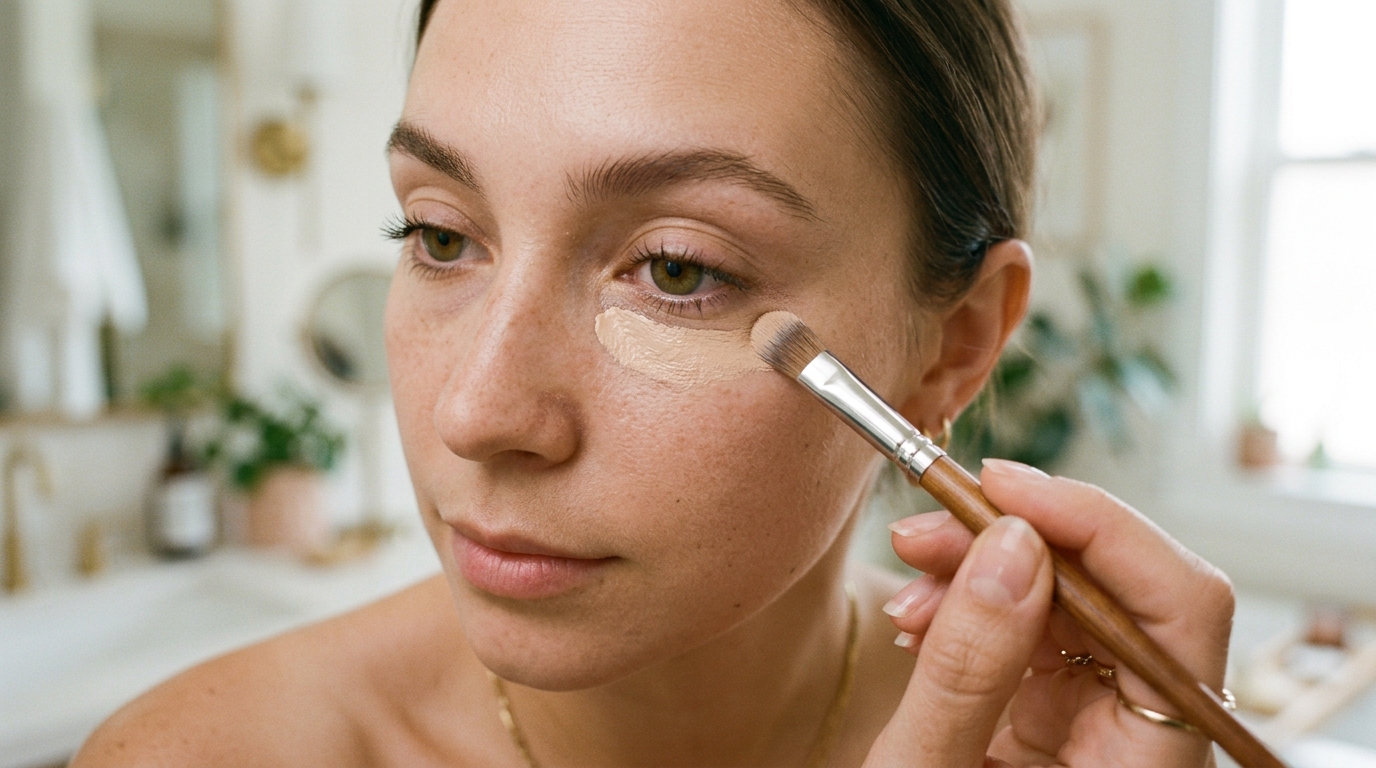
Matte foundations are formulated with oil-absorbing ingredients and film-forming polymers that lock the finish down. They give the skin a smooth, shine-free look that stays relatively consistent throughout the day.
How it behaves on acne-prone skin: Matte foundations are the traditional choice for oily, acne-prone skin because they help control the look of shine. But there is a spectrum — a natural matte finish looks like real skin, while a very flat matte finish can look powdery and emphasise texture.
Pros
- Controls the look of shine all day
- Longer wear time (8–12 hrs)
- Good for oily and combination skin
- Feels consistent through the day
Cons
- Emphasises dry patches and texture
- Can look flat or powdery
- Feels tight on dehydrated skin
- Photographs less naturally
Dewy Foundation: Pros and Cons for Acne-Prone Skin
Dewy Foundation
Dewy foundations are formulated with reflective particles, oils, or emollients that give the skin a soft glow. They reflect light in a way that makes the skin look healthy and hydrated.
How it behaves on acne-prone skin: Dewy foundations can look beautiful on dry or dehydrated acne-prone skin because they reflect light softly and soften the appearance of texture. On oily skin, however, they can look greasy within a few hours, especially in humid climates or during long wear.
Pros
- Reflects light softly; softens texture
- Feels comfortable on dry skin
- Looks natural and healthy in photos
- Layers well over hydrating skincare
Cons
- Can look oily on oily skin
- Shorter wear time (6–8 hrs)
- Can highlight bumps and texture
- Needs more frequent touch-ups
Satin Foundation: The Middle Ground
Satin Foundation
Satin finishes sit between matte and dewy. They have a soft glow that reflects light gently without looking shiny. In our testing, satin was the most flattering finish across all types of acne-prone skin.
How it behaves on acne-prone skin: Satin reflects light softly over texture rather than creating hard highlights (like dewy) or flat shadows (like matte). This is why it tends to make the skin look smoother — the light bounces gently off the surface instead of catching on every bump.
Pros
- Softens the look of uneven texture
- Balanced shine control
- Works on almost every skin type
- Photographs beautifully
Cons
- May need light powder on very oily T-zones
- Fewer "satin" labelled products exist
- Not as long-wearing as true matte
Side-by-Side Comparison
| Feature | Flat Matte | Natural Matte | Satin | Dewy |
|---|---|---|---|---|
| Shine control | Excellent | Very good | Good | Low |
| Texture softening | Poor | Good | Excellent | Good |
| Wear time | 10–12 hrs | 8–10 hrs | 8 hrs | 6–8 hrs |
| Comfort on dry skin | Low | Medium | High | Very high |
| Comfort on oily skin | Very good | Excellent | Good | Low |
| Photography | Flat | Natural | Natural | Shiny risk |
| Best for acne-prone skin | Only if very oily | Oily and combination | All skin types | Dry and dehydrated |
How to Choose the Right Finish for Your Skin
| Your Situation | Best Finish | Why |
|---|---|---|
| Oily acne-prone skin | Natural matte | Controls shine, wears well through the day |
| Very oily acne-prone skin | Flat matte (with caution) | Maximum shine control — but avoid if you have any dry patches |
| Dry acne-prone skin | Satin or luminous | Feels comfortable and reflects light softly |
| Combination acne-prone skin | Satin + powder on T-zone | Balances both needs; customisable through the day |
| Textured skin (scars, pores, bumps) | Satin | Reflects light softly to soften the look of texture |
| Humid climate | Natural matte or satin | Dewy formulas can break down faster in humidity |
| Dry or cold climate | Satin or dewy | Feels more comfortable on dry skin in low humidity |
| Long work days (10+ hrs) | Natural matte | Wears longer without needing touch-ups |
| Photography or events | Satin | Looks natural on camera — not flat, not shiny |
How to Customise Any Finish
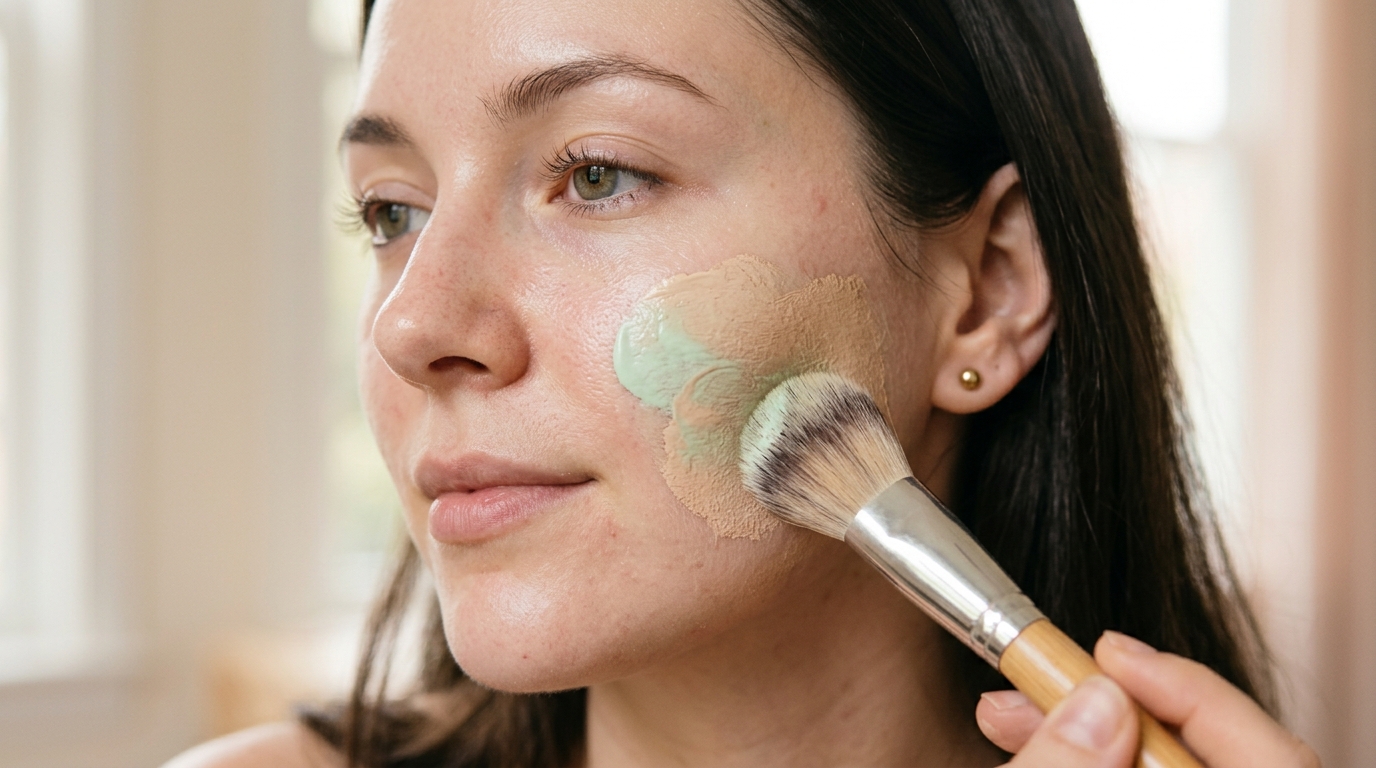
You do not have to accept the finish as-is. Here are cosmetic techniques for adjusting any foundation finish:
To make a dewy foundation more matte
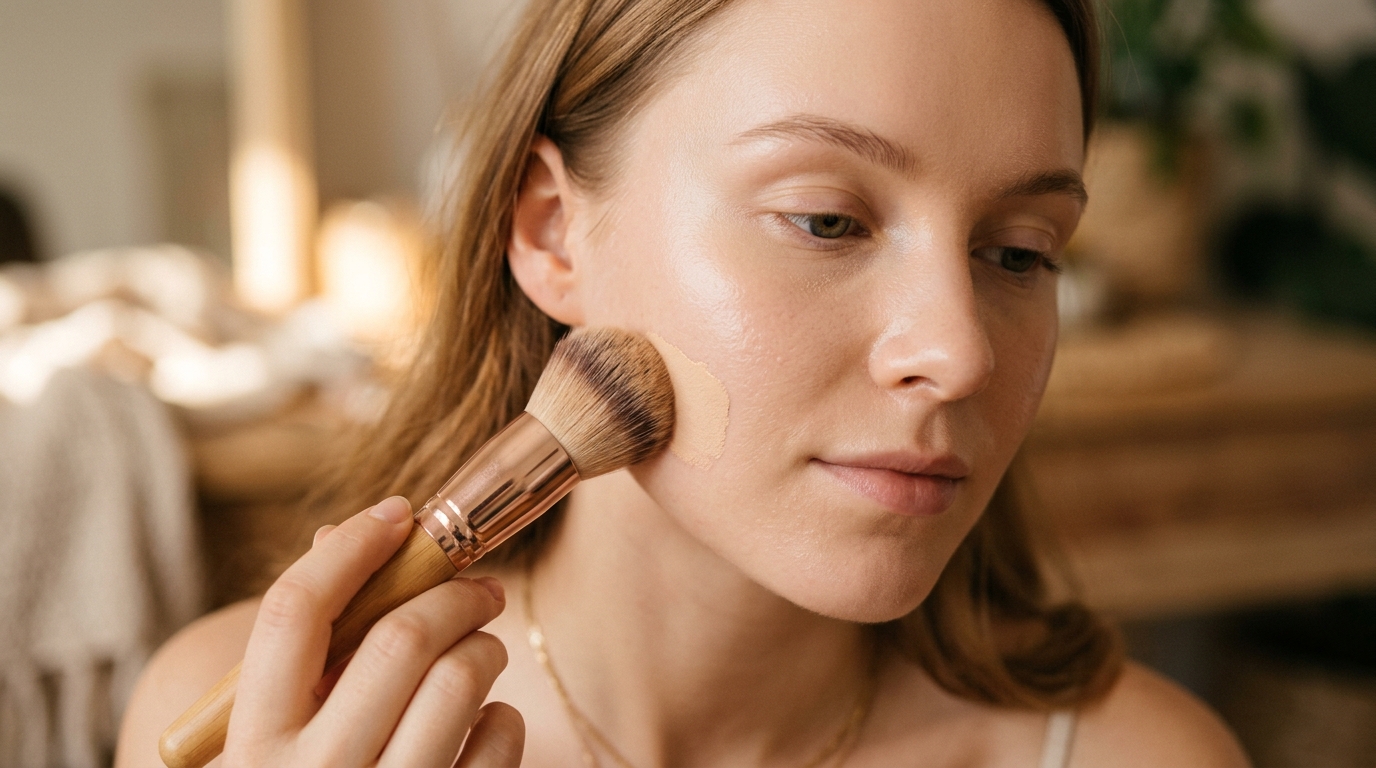
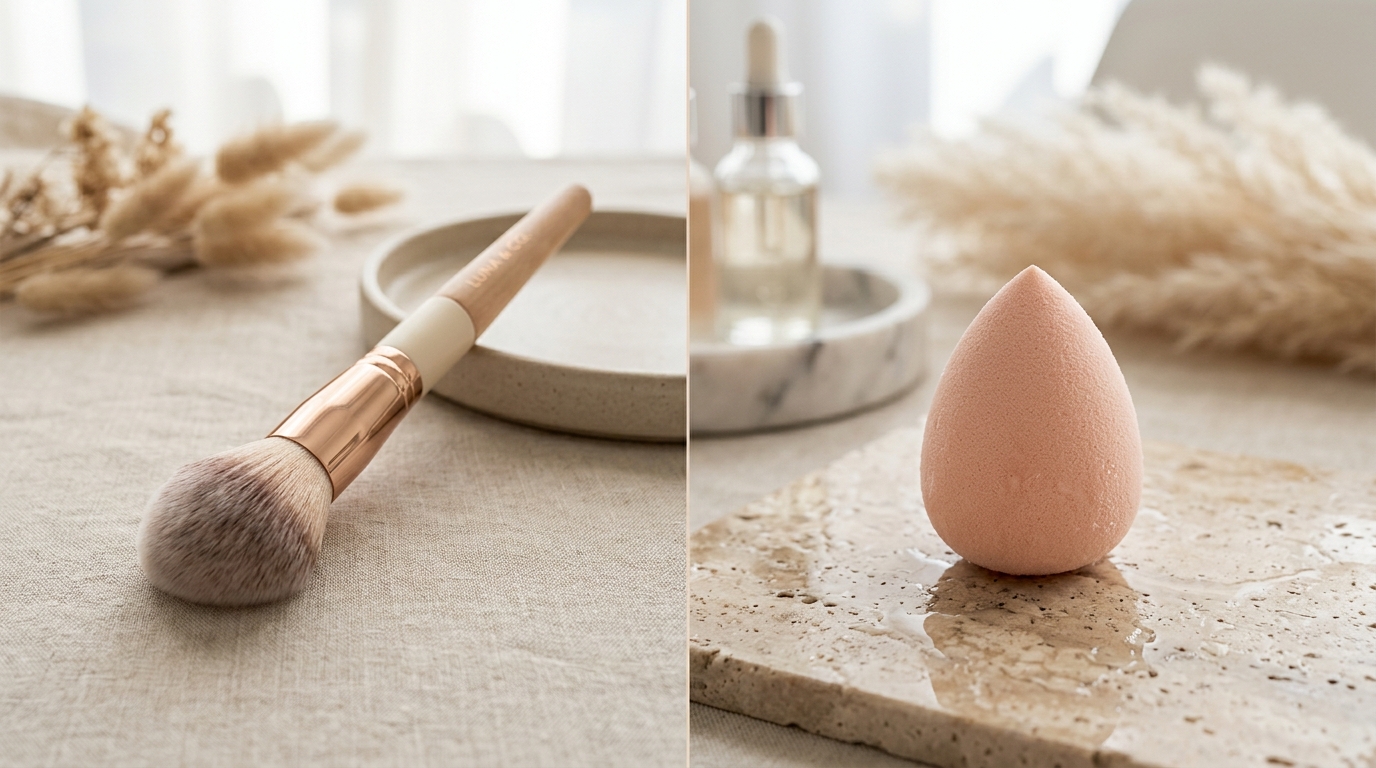
- Powder only the T-zone. Use a finely milled powder with a small fluffy brush — press it in, do not sweep.
- Use a mattifying primer on the T-zone only. Keep the rest of the face luminous.
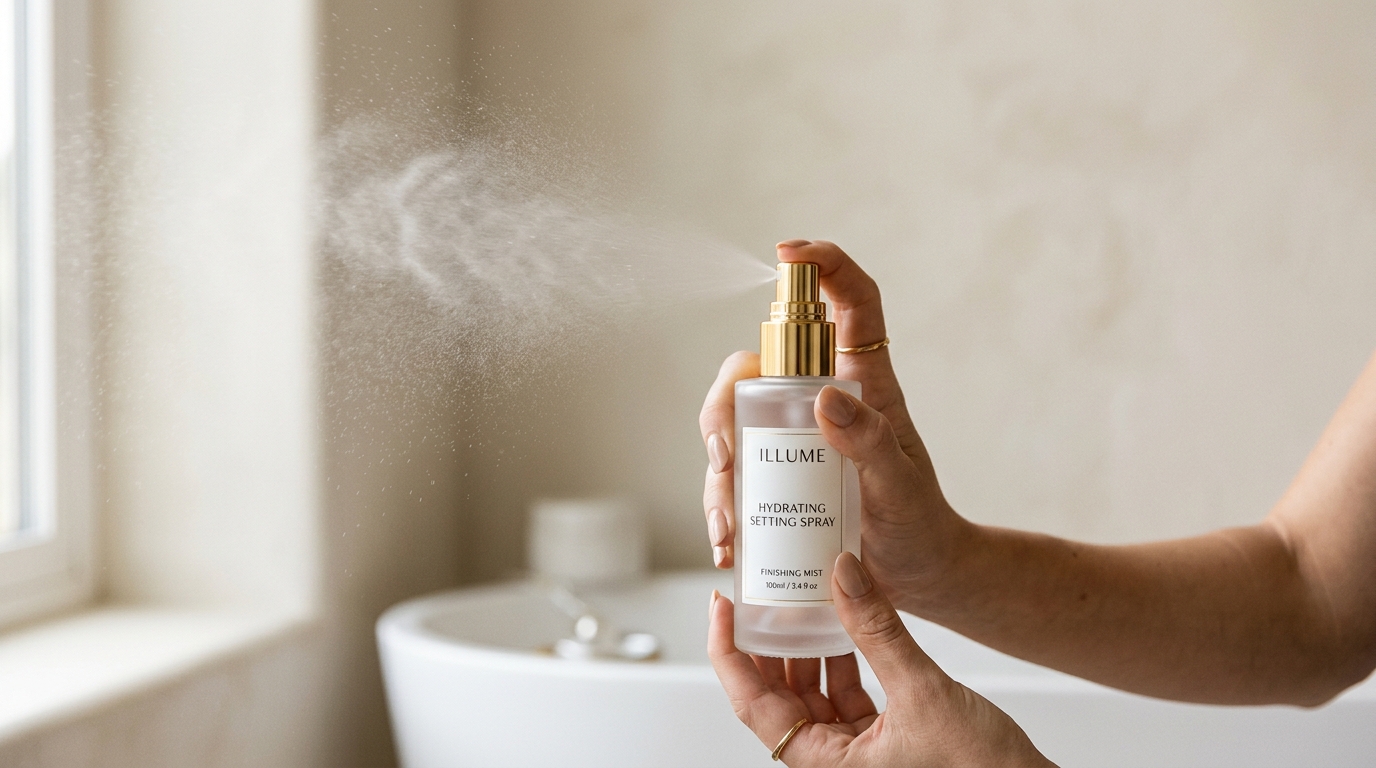
- Switch to a matte setting spray instead of a hydrating one.
To make a matte foundation less flat
- Mix with a drop of liquid highlighter or luminising primer before applying.
- Add a soft-focus powder highlighter to the tops of the cheekbones and the bridge of the nose.
- Use a hydrating setting spray instead of powder to finish.
To create a custom satin finish
- Mix a matte and dewy foundation in equal parts. A 1:1 ratio usually produces a satin finish that works for both oily and dry areas.
- Apply a matte foundation to the T-zone and a dewy foundation to the cheeks and perimeter. This is a common makeup artist technique for combination skin.
- Use a satin powder. If you must set your makeup, a satin powder looks less flat than a matte powder.
Finish and Climate: What Changes
| Season / Climate | Best Finish | Why |
|---|---|---|
| Summer / humid | Natural matte or satin | Dewy breaks down faster in heat and humidity |
| Winter / dry | Satin or luminous | Matte can feel drying and emphasise flakes |
| Spring / transitional | Satin | Balanced finish works in changing conditions |
| Indoor heating / AC | Satin + hydrating spray | Both dry out the skin; a hydrating finish helps |
Product Picks by Finish
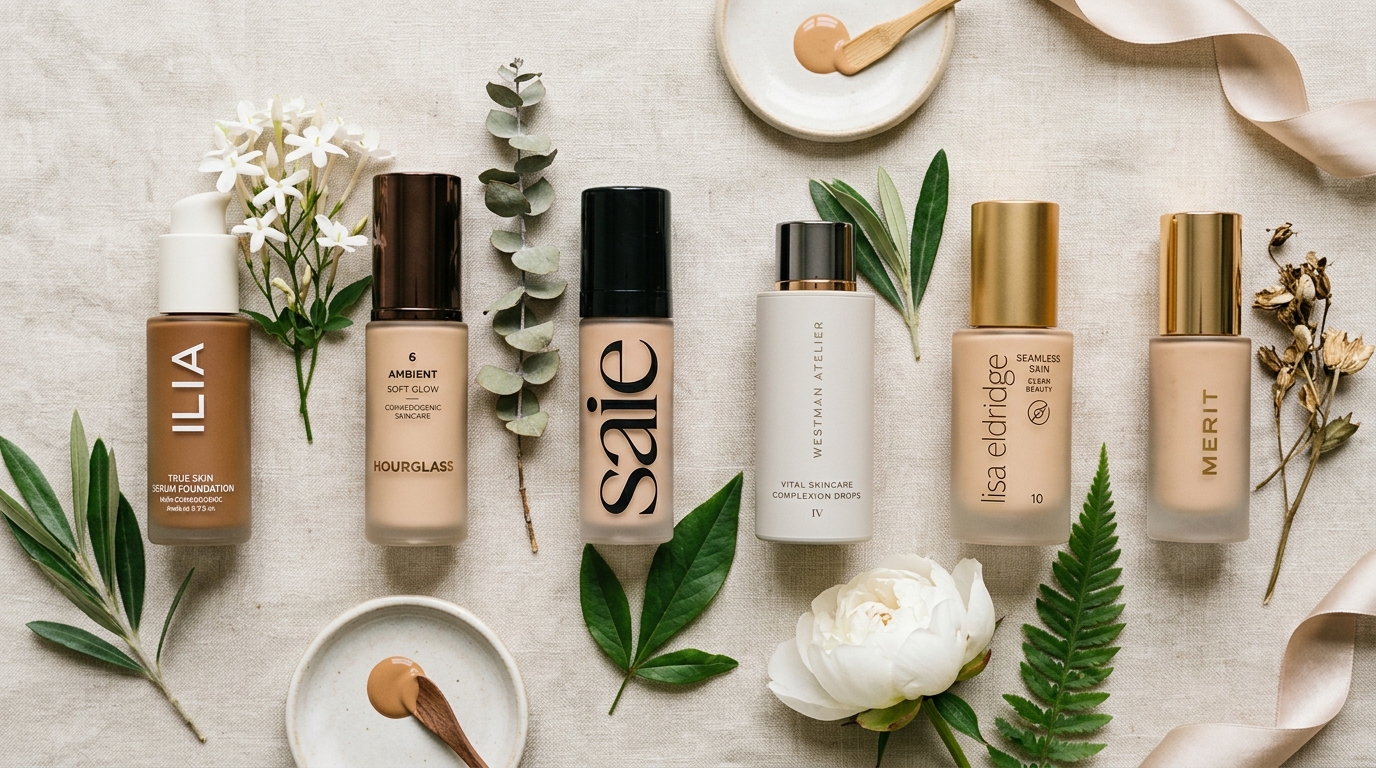
Here are foundations from our testing that fall into each finish category:
| Finish | Product | Price | Best For |
|---|---|---|---|
| Natural Matte | Maybelline Fit Me Matte + Poreless | ~$10 | Oily, combination acne-prone skin |
| Clinique Acne Solutions Liquid Makeup | $37.50 | Oily acne-prone skin; contains 0.5% salicylic acid | |
| Satin | e.l.f. Soft Glam Satin | ~$8 | All acne-prone skin types |
| Milani Conceal + Perfect 2-in-1 | ~$12 | Combination; buildable coverage | |
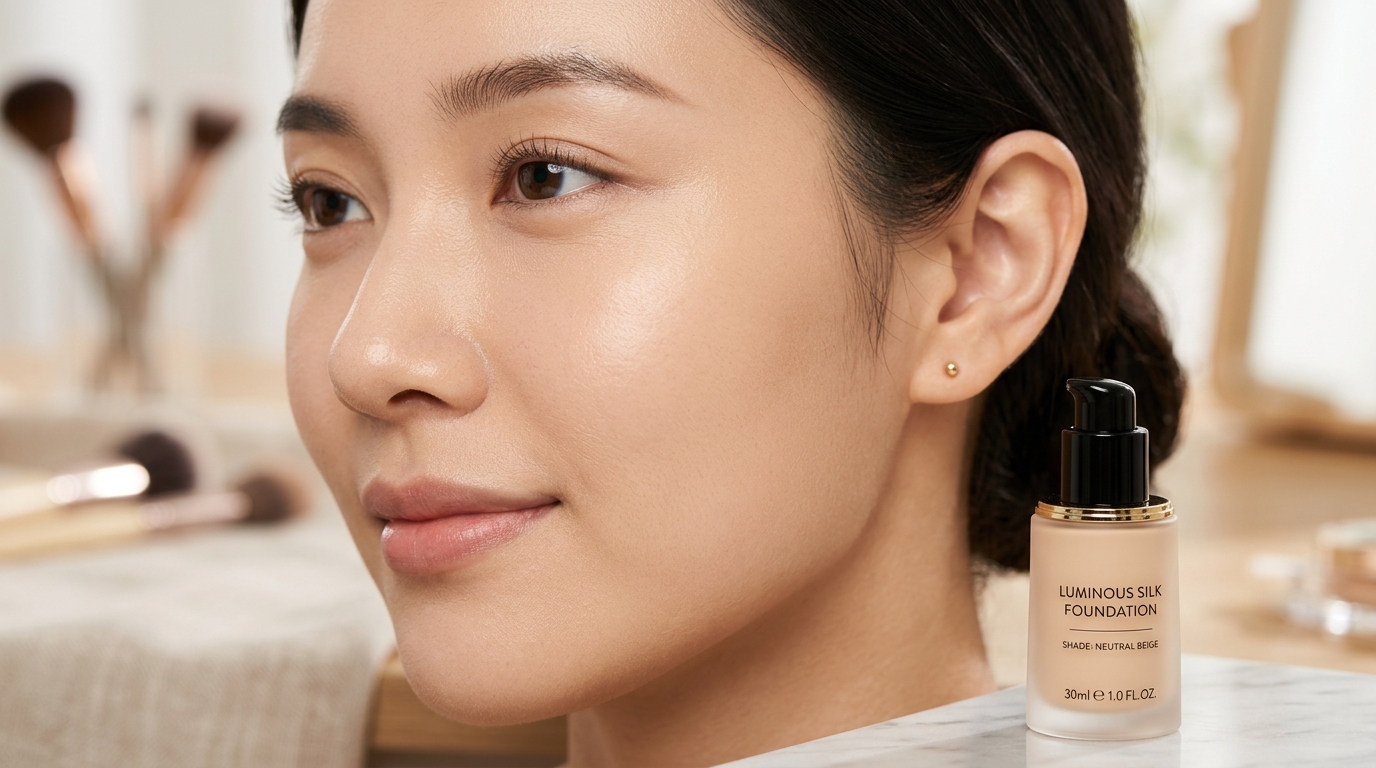
| Luminous / Soft Dewy | Armani Luminous Silk | $69 | Dry, dehydrated, and mature acne-prone skin |
| L'Oréal True Match Nude Serum | ~$15 | Dry, dehydrated acne-prone skin | |
| Sheer / Full Coverage | Dermablend Flawless Creator | $40 | Buildable natural finish for all skin types |
Choose matte if...
- Your skin is oily or very oily
- You want all-day shine control
- You live in a humid climate
- You need 10+ hour wear
- You rarely have dry patches
Choose satin or dewy if...
- Your skin is dry or dehydrated
- You want to soften the look of texture
- You live in a dry or cold climate
- You prefer a natural, healthy look
- You want makeup that photographs well
Common Mistakes to Avoid
- Choosing "matte" out of habit. Not all acne-prone skin is oily. If your skin is dry or dehydrated, matte foundations will look flat and emphasise texture.
- Assuming "dewy" means healthy. Very dewy foundations can look oily within hours on oily skin, especially by mid-day.
- Setting the whole face with powder. Powder mattifies everything it touches. If you want a satin or luminous finish, powder only the T-zone.
- Using a mattifying primer with a dewy foundation. The two work against each other. Match your primer finish to your foundation finish.
- Ignoring the climate. A dewy foundation that works in a dry climate can look greasy in a humid one. Adjust seasonally.
- Not testing in natural light. Store lighting is misleading. Always check the finish outdoors before deciding.
- Copying someone else's preference. Matte works for your friend with oily skin; satin might work better for you with combination skin. Choose based on your skin, not someone else's.
Frequently Asked Questions
Should I use matte or dewy foundation for acne-prone skin?
For most people with acne-prone skin, a natural matte or soft satin finish works best. A natural matte finish helps control the look of shine without looking flat, while very dewy finishes can highlight texture. That said, the right finish also depends on your skin type — oily acne-prone skin often prefers matte, and dry acne-prone skin often prefers satin or luminous.
Does matte foundation make acne look worse?
Very flat matte foundations can emphasise dryness and texture, which may make blemishes look more visible. However, a natural matte finish — matte but not chalky — usually works well for acne-prone skin because it controls the look of shine without drying out the surface.
Is dewy foundation good for acne-prone skin?
Dewy foundation can work for acne-prone skin, especially if the skin is dry or dehydrated. The luminous finish reflects light softly, which can help soften the look of texture. However, very dewy finishes can emphasise shine and texture in oily skin, so a soft satin finish is often the best middle ground.
What is a natural matte finish?
Natural matte is a finish that controls the look of shine while still looking like real skin — not chalky, flat, or overly powdery. It is often the best balance for acne-prone skin because it addresses oil without emphasising texture.
What is a satin finish?
A satin finish is a middle ground between matte and dewy. It has a soft, subtle glow that reflects light gently without looking shiny or oily. Satin is a good cosmetic choice for acne-prone skin that wants some radiance without a full dewy look.
Does dewy foundation make oily skin look worse?
Dewy foundation can make oily skin look oilier if the formula is very luminous. For oily, acne-prone skin, a natural matte or satin finish usually looks better throughout the day. You can also use a luminous foundation with a mattifying powder only on the T-zone.
How do I choose between matte and dewy foundation?
Consider your skin type, the climate, and the look you want. Oily skin usually suits a natural matte finish; dry skin usually suits satin or luminous. In humid climates, matte tends to wear better; in dry climates, satin or dewy feels more comfortable. Combination skin often works well with a satin finish and light powder on the T-zone only.
Can I mix matte and dewy foundation?
Yes. Mixing a matte and dewy foundation can create a custom satin finish — a good middle ground for acne-prone skin. Mix a small amount of each on the back of your hand and apply as normal. This is a useful cosmetic technique if you find either finish too extreme on its own.
Which finish lasts longer on acne-prone skin?
Matte foundations generally last longer because they contain oil-absorbing ingredients that help control shine through the day. Dewy foundations tend to wear down faster on oily skin because the luminous finish can break up around oil production. A natural matte finish is often the best balance for wear time.
What is the best finish for acne-prone skin with visible texture?
For skin with visible texture, a satin finish is often the best cosmetic choice. It reflects light softly, which helps soften the appearance of uneven texture without looking shiny. Very matte finishes emphasise texture; very dewy finishes highlight it. Satin is the middle ground.
The Bottom Line
The matte vs. dewy debate is missing the middle ground. For most acne-prone skin, the best finish is not at either extreme — it is a natural matte or satin finish that controls the look of shine while still reflecting light softly.
If your skin is oily: Choose a natural matte finish. It controls the look of shine without looking flat.
If your skin is dry or dehydrated: Choose a satin or luminous finish. It feels comfortable and reflects light softly over texture.
If your skin is combination: Choose a satin finish and powder only the T-zone. You can also mix a matte and dewy foundation to create a custom finish.
If you have visible texture: Choose satin. It is the most flattering finish across the board.
You do not have to accept the finish as-is, either. You can mattify with targeted powder, add glow with a luminising primer, or mix two foundations to create your own custom finish. The best finish is the one that works for your skin, your climate, and your routine.
For the full breakdown of specific product picks across every finish, see our pillar guide: Best Foundation for Acne-Prone Skin. For step-by-step application, see our application guide. For the base ingredient comparison, see our water-based foundation guide.
References & Sources
- Vogue — makeup artist guidance on foundation finishes.
- The Strategist — makeup artist interviews on finish selection for different skin types.
- Paula's Choice — guidance on finishes for oily and acne-prone skin.
- Allure — foundation finish comparisons and product reviews.
- Aggregated user reviews from Sephora, Ulta, and Reddit (r/MakeupAddiction, r/SkincareAddiction, r/Acne).
Was this article helpful?

Anam Ahsan
Skincare Enthusiast & BloggerHi, I'm Anam! I'm a beauty and skincare enthusiast who loves testing new products and sharing honest, personal reviews. I document my skincare journey and share what works for my skin so you can make better choices for your routine.
Comments (24)
Hannah W.
2 days agoThis guide saved me so much money — went with the budget pick and honestly can't tell the difference from serums twice the price!
Anam Ahsan Author
1 day agoSo glad it worked out for you, Hannah! That's exactly the kind of result we hoped readers would see.