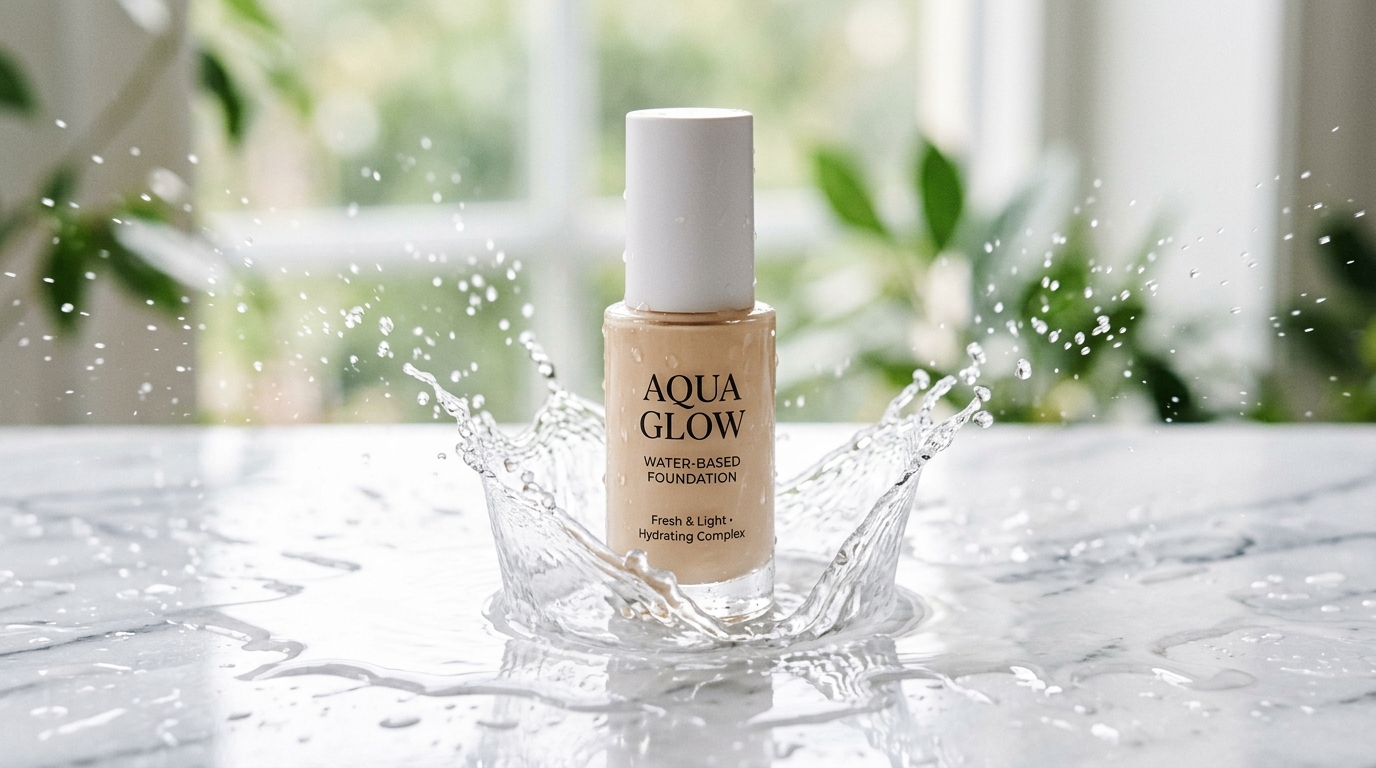
Water-Based Foundation for Acne-Prone Skin: Complete 2026 Guide
"Water-based foundation" is one of the most frequently recommended categories for acne-prone skin — but it is also one of the most misunderstood. Many people assume "water-based" automatically means "won't clog pores" or "safe for acne." Neither is technically true.
Water-based foundation is a specific formulation choice that affects how a product feels on the skin and how it layers with your skincare. Understanding what it actually means — and what it does not — helps you choose the right formula for acne-prone skin without relying on marketing claims.
Based on our cosmetic testing, water-based foundations are a good choice for acne-prone skin because they tend to feel lighter and less occlusive than silicone-based or oil-based formulas. But "water-based" is not the same as "non-comedogenic" — you need both on the label to get the full cosmetic benefit. Our top water-based pick is Giorgio Armani Luminous Silk, with Maybelline Fit Me Matte + Poreless as the best drugstore option.
This complete guide covers what water-based foundation is, how it compares to silicone-based, how to check the label, the best water-based picks across price points, and how to apply it without pilling.
What it is: A foundation where water is the first ingredient, creating a lighter, more breathable texture. Best overall: Armani Luminous Silk ($69). Best drugstore: Maybelline Fit Me Matte + Poreless (~$10). Best serum: L'Oréal True Match Nude Serum (~$15). Important: Water-based ≠ non-comedogenic. Check both on the label.
Key Takeaway
Water-based foundations feel lighter and more breathable on acne-prone skin, which is why they are often recommended. But the base alone is not what makes a foundation acne-friendly — the "non-comedogenic" label matters just as much. For the best result, look for foundations that are both water-based and non-comedogenic, and match your foundation base with your skincare base to prevent pilling.
What Is Water-Based Foundation?
Water-based foundation is exactly what the name suggests: a foundation formula where water is the primary ingredient. If you flip the bottle over and look at the ingredient list, the first word will be "water" or "aqua."
This matters because the first ingredient on a cosmetic label is the one present in the highest concentration. When water is first, the formula is built around water rather than oil or silicone.
What water-based foundation feels like on the skin:
- Lighter. Water-based formulas tend to feel weightless compared to oil or silicone-heavy formulas.
- More breathable. The texture is thinner, so it feels less like a "layer" on the skin.
- Less occlusive. It does not form the same type of film that silicone-based formulas do.
- Often more dewy or satin. Water-based formulas tend to be less matte because they lack the oil-absorbing powders that silicone bases often include.
This is why water-based foundations are frequently recommended for acne-prone, oily, or combination skin — the texture is simply more comfortable for those skin types.
Water-Based vs. Silicone-Based vs. Oil-Based
Foundations fall into three main categories by base ingredient. Here is how they compare:
Water-Based
First ingredient: Water / aqua
Texture: Light, thin, breathable
Finish: Usually dewy, satin, or natural
Best for: Acne-prone, oily, normal skin
Feels like a serum or lotion. Layers well over lightweight skincare. Common in modern "serum foundations" and tinted moisturisers.
Silicone-Based
First ingredient: Dimethicone / cyclopentasiloxane
Texture: Silky, smooth, blurring
Finish: Can range from matte to luminous
Best for: Textured or mature skin, longer wear
Feels like a soft veil on the skin. Excellent for blurring the look of pores and uneven texture. Usually longer wear time.
| Feature | Water-Based | Silicone-Based | Oil-Based |
|---|---|---|---|
| First ingredient | Water / aqua | Dimethicone | Oil (mineral, plant, etc.) |
| Feel on skin | Light, breathable | Silky, blurring | Rich, emollient |
| Finish tendency | Dewy, satin, natural | Range (matte to dewy) | Dewy, luminous |
| Wear time | 6–8 hrs | 8–12+ hrs | Variable |
| Best for | Acne-prone, oily, normal | Textured, mature, long-wear | Very dry, mature |
| Layering caution | Match with water-based skincare | Match with silicone-based skincare | Best with cream skincare |
Which is best for acne-prone skin? For most people with acne-prone skin, water-based formulas feel more comfortable. But the answer is not universal — silicone-based foundations that are labeled non-comedogenic can also work well, especially for covering the look of uneven texture.
Water-Based ≠ Non-Comedogenic (Important)
This is the single most important distinction in this guide. Water-based and non-comedogenic are two separate things.
A foundation can be water-based but still contain pore-clogging ingredients. And a foundation can be silicone-based but still be labeled non-comedogenic. The two claims are not interchangeable.
Water-Based
Describes the primary ingredient in the formula. Tells you how the foundation feels on the skin — lighter, thinner, more breathable.
Does NOT tell you whether the formula is free of pore-clogging ingredients.
Non-Comedogenic
Describes the formulation intent — that the product is designed to reduce the risk of clogging pores.
Does NOT tell you what the base ingredient is.
What to look for: The best foundation for acne-prone skin is one that is both water-based and labeled non-comedogenic. That combination gives you the cosmetic benefits of a lighter texture plus the reassurance of a formulation designed with acne-prone skin in mind.
How to Check If a Foundation Is Water-Based
Checking the base type of any foundation takes about five seconds. Here is the process:
- Turn the bottle over and find the ingredient list. On most cosmetics, the ingredients are listed in order of concentration.
- Look at the very first ingredient. The first ingredient is the one present in the highest concentration.
- Identify the base:
- If it says "water" or "aqua" — it is water-based.
- If it says "dimethicone" or "cyclopentasiloxane" — it is silicone-based.
- If it says an oil (like "mineral oil," "caprylic/capric triglyceride," or a plant oil) — it is oil-based.
Some foundations can be hybrids — for example, water as the first ingredient and dimethicone as the second. These behave like water-based formulas but have some silicone smoothing properties. That is not a problem, but it is worth knowing so you can match your layering correctly.
Why Water-Based Foundations Suit Acne-Prone Skin
Water-based formulas are commonly recommended for acne-prone skin for these cosmetic reasons:
- Lighter feel. The formula feels less like a heavy layer, which is more comfortable for skin that is already sensitive or reactive.
- Less occlusive texture. Water-based foundations do not form the same type of film that silicone or oil-based formulas do.
- Better for oily skin. If your acne-prone skin is also oily, water-based formulas tend to control shine better without feeling drying.
- Layers well over skincare. Most modern hydrating skincare is water-based, so water-based foundations layer seamlessly on top.
- Often contains skincare ingredients. Many water-based foundations include hyaluronic acid, glycerin, or niacinamide — cosmetic ingredients commonly used in skincare for acne-prone skin.
But it is not automatic. A water-based foundation that contains heavy oils or thick waxes in later ingredients could still feel occlusive. This is why reading the full ingredient list — not just the first word — matters.
Water-based pros
- Lighter, more breathable texture
- Feels less occlusive on acne-prone skin
- Layers well over water-based skincare
- Usually contains hydrating ingredients
- Good for oily and combination skin
Water-based cons
- Not automatically non-comedogenic
- Shorter wear time (6–8 hrs)
- Can pill if layered with silicone products
- Often less coverage than silicone formulas
- May not suit very dry skin
How We Tested
Our Cosmetic Testing Methodology
- Duration: 4 weeks of continuous testing (December 2026).
- Products tested: 8 water-based foundations, from drugstore to luxury.
- Tester: Anam Ahsan, beauty writer with six years of experience, who has combination acne-prone skin.
- Application: Each foundation was applied over a water-based moisturiser using a damp sponge for thin, buildable layers.
- Criteria: Texture, feel on skin, coverage, finish, wear time, pilling behaviour, and comfort on acne-prone skin.
- Cosmetic only: No clinical or medical testing was performed.
How we selected the 8 products
- Water as the first ingredient. Every product was verified to be water-based by checking the label.
- Non-comedogenic claim. Preference was given to products labeled non-comedogenic.
- Finish: Natural matte, satin, or luminous — no heavy matte or heavy dewy.
- Shade range: At least 12 shades available.
- Availability: Widely available at Sephora, Ulta, or major drugstores.
Full Comparison Table
| Product | First Ingredient | Non-Comedogenic? | Finish | Coverage | Shades | Price | Score |
|---|---|---|---|---|---|---|---|
| Armani Luminous Silk | Water | ✅ Yes | Luminous | Medium, buildable | 44 | $69 | 4.8 / 5 |
| Maybelline Fit Me Matte + Poreless | Water | ✅ Yes | Natural matte | Medium–full | 40 | ~$10 | 4.7 / 5 |
| L'Oréal True Match Nude Serum | Water | Not labeled | Dewy | Sheer | 14 | ~$15 | 4.5 / 5 |
| Dermablend Flawless Creator | Water | ✅ Yes | Natural | Sheer–full | 40+ | $40 | 4.6 / 5 |
| Catrice HD Liquid Coverage | Water | Not labeled | Natural | Full | 20+ | ~$10 | 4.3 / 5 |
| NARS Light Reflecting | Water | ✅ Yes | Luminous | Medium, buildable | 30+ | $52 | 4.4 / 5 |
Our Top Water-Based Picks
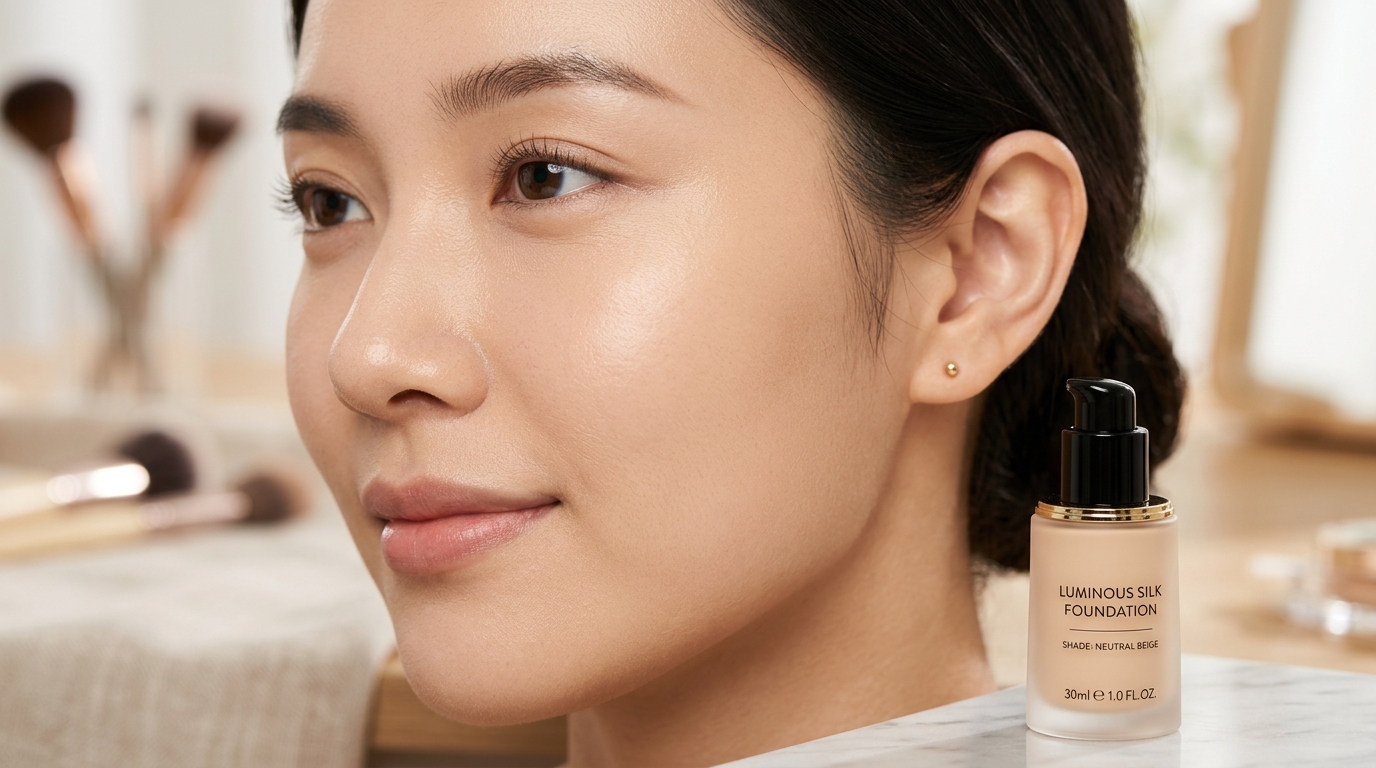
Giorgio Armani Luminous Silk Foundation
$69Armani Luminous Silk is water-based and non-comedogenic — the ideal combination for acne-prone skin. It contains niacinamide, a cosmetic ingredient commonly used in skincare for acne-prone skin, and it delivers buildable medium coverage with a luminous finish.
Why it works for acne-prone skin: The water-based formula feels light and breathable. The luminous finish reflects light softly, which helps soften the look of texture. The 2026 reformulation made it non-comedogenic, which is a key improvement for this category.
Trade-offs: Highest price point on our list. The luminous finish may be more dewy than some very oily skin types prefer.
Maybelline Fit Me Matte + Poreless Foundation
~$10Maybelline Fit Me Matte + Poreless is water-based, non-comedogenic, and offers buildable medium-to-full coverage with a natural matte finish. It is one of the best-value water-based foundations for acne-prone skin.
Why it works for acne-prone skin: The water-based formula feels lighter than expected for the coverage level. The natural matte finish controls the look of shine without feeling drying, and the 40-shade range is one of the widest at the drugstore.
Trade-offs: Can look slightly dry on dehydrated patches. Not ideal for those who prefer a dewy or luminous finish.
L'Oréal True Match Nude Hyaluronic Tinted Serum
~$15L'Oréal True Match Nude Hyaluronic Tinted Serum is water-based and contains 1% hyaluronic acid — one of the highest concentrations in any drugstore foundation.
Why it works for acne-prone skin: The water-based texture applies more like a serum than a foundation, making it a genuinely lightweight option for acne-prone skin. It never feels occlusive, and the hyaluronic acid helps maintain a comfortable feel.
Trade-offs: Not labeled non-comedogenic — worth noting if you are sensitive to clogging. Only 14 shades with a limited deep range. Sheer coverage only.
Dermablend Flawless Creator Foundation Drops
$40Dermablend Flawless Creator is a water-based foundation with only 10 ingredients. It is non-comedogenic, oil-free, and designed to build from sheer to full coverage.
Why it works for acne-prone skin: The short ingredient list means fewer potential pore-clogging ingredients. The water-based formula feels weightless, and the concentrated pigments mean you need very little product to even out the look of tone and texture.
Trade-offs: The dropper format takes some learning. It can look heavy if over-applied.
Catrice HD Liquid Coverage Foundation
~$10Catrice HD Liquid Coverage is a water-based, lightweight full-coverage foundation that doesn't feel heavy. It is one of the best-value water-based options at the drugstore.
Why it works for acne-prone skin: The water-based formula feels light, but the coverage is full — which helps even out the look of redness and blemishes without feeling occlusive. It layers well over water-based skincare.
Trade-offs: Not labeled non-comedogenic. Shade range is more limited than other options. Not as widely available in physical stores.
NARS Light Reflecting Foundation
$52NARS Light Reflecting is water-based, non-comedogenic, and formulated with skincare ingredients designed to blur the look of uneven texture.
Why it works for acne-prone skin: The water-based formula feels light and layers well over hydrating skincare. The luminous finish reflects light softly to soften the appearance of texture, and the buildable medium coverage evens out tone without looking heavy.
Trade-offs: Slightly less coverage than Dermablend or Catrice. The luminous finish may be too dewy for some very oily skin types.
How to Apply Water-Based Foundation Without Pilling
Water-based foundations apply differently from silicone or oil-based formulas. The biggest issue people run into is pilling — those tiny rubbery balls that form when products separate on the skin. Here is how to avoid it.
- Match your bases. Use a water-based moisturiser and (if you use one) a water-based primer under a water-based foundation. Mixing water-based and silicone-based products is the number one cause of pilling.
- Wait 5 minutes after moisturiser. Let the moisturiser fully absorb before applying primer or foundation.
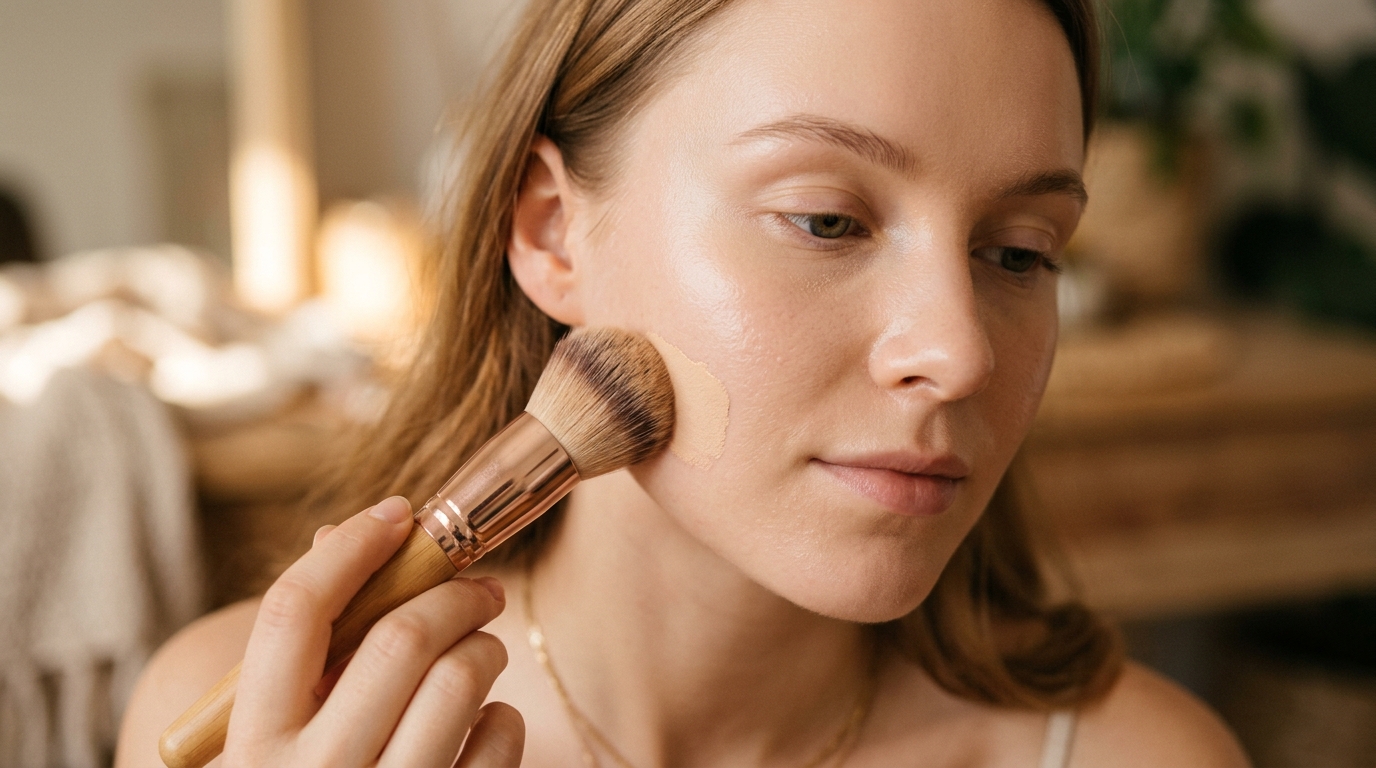
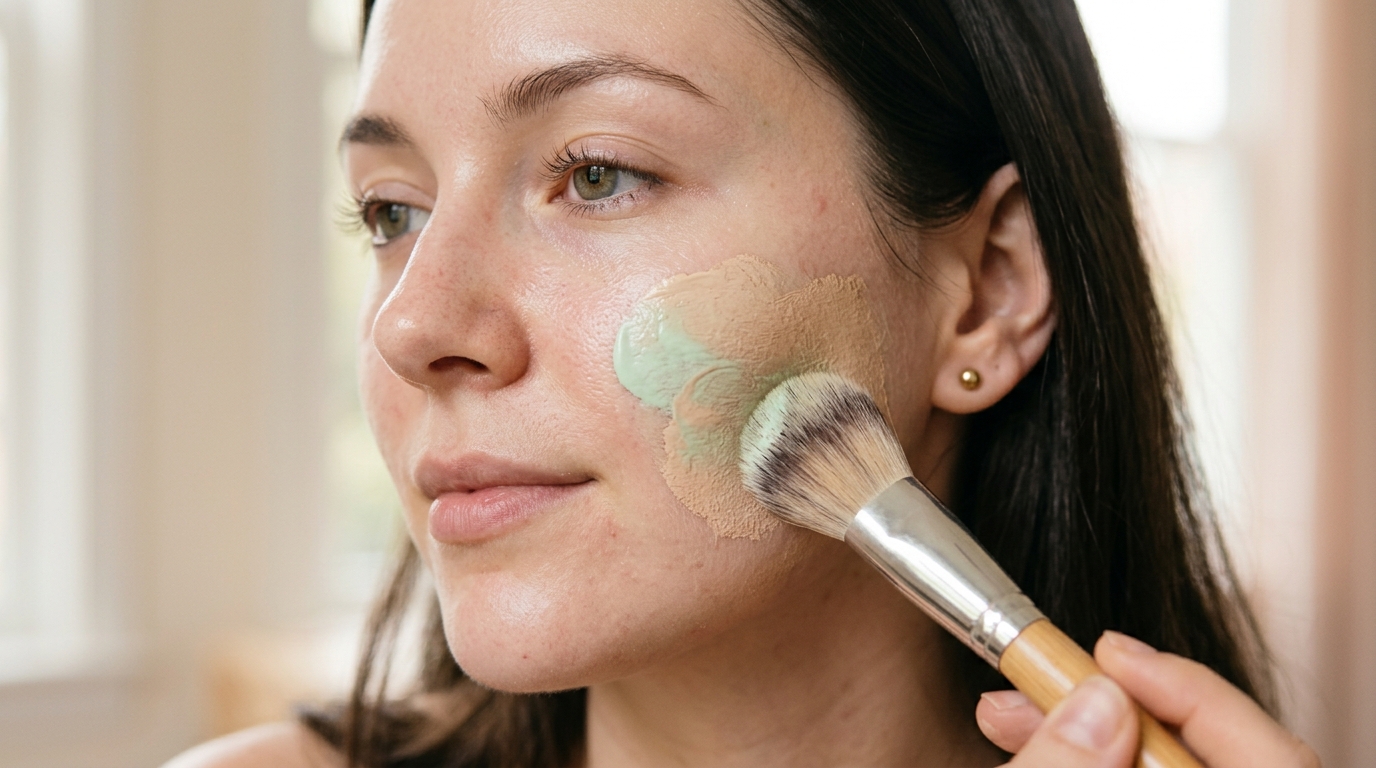
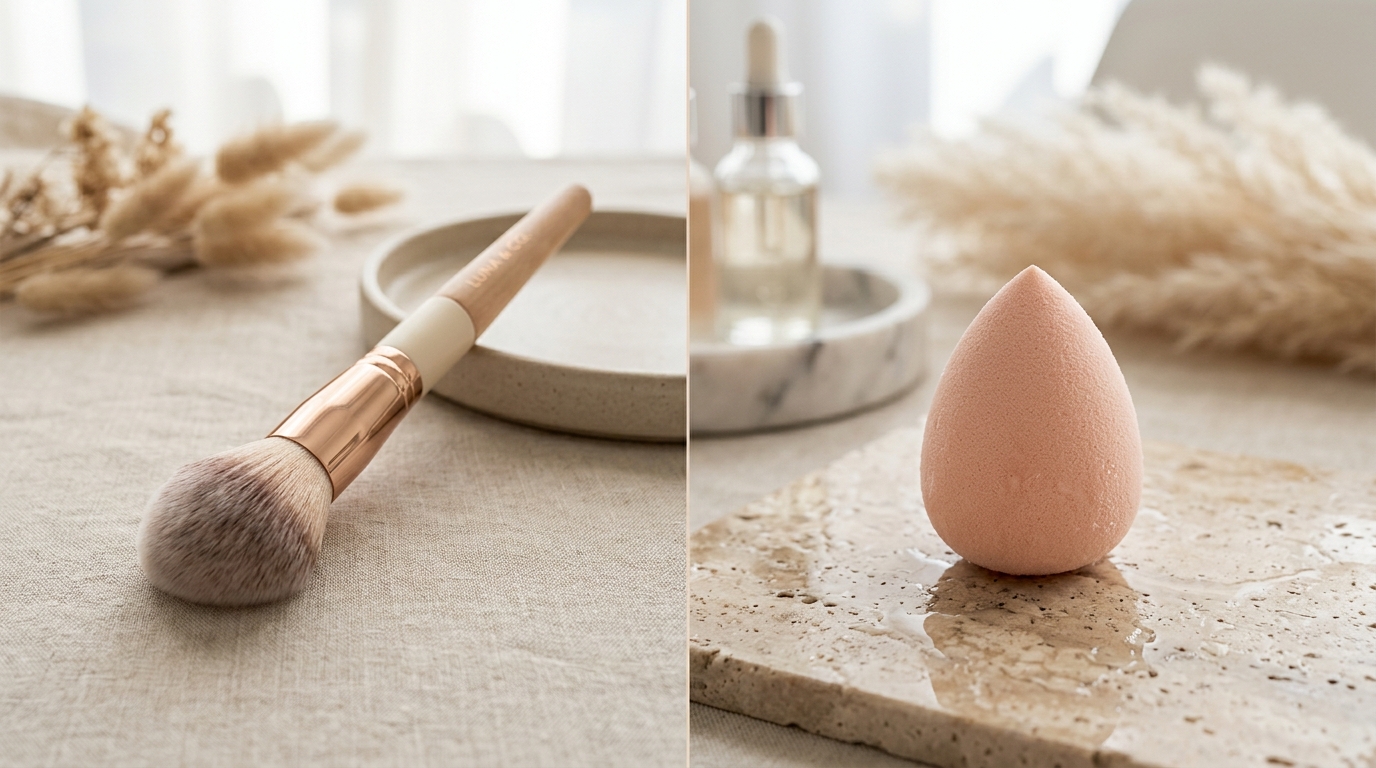
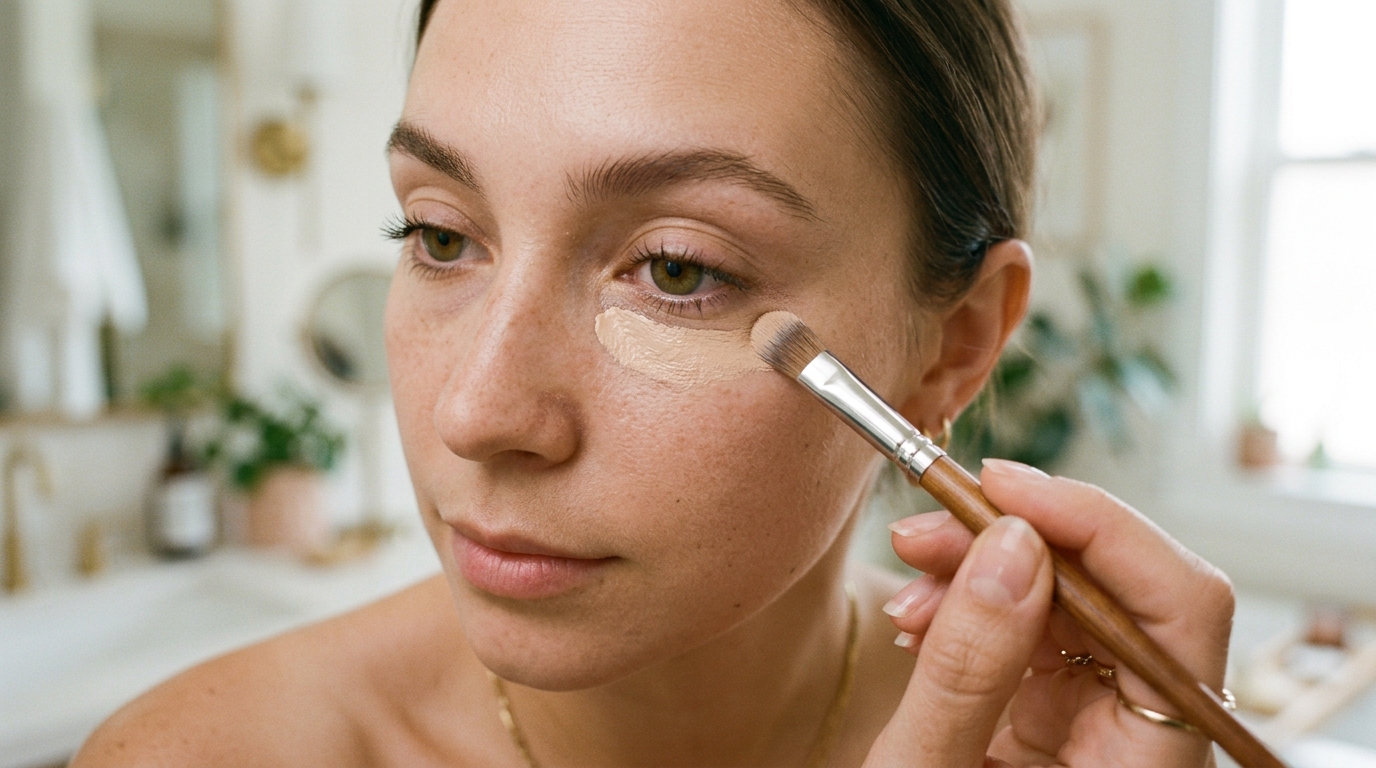
- Use a damp sponge. Water-based foundations are thinner, so a damp sponge helps control how much product you pick up. Press — do not sweep — into the skin.
- Apply in thin layers. Water-based formulas build beautifully in thin layers. Start with a pea-sized amount and add more only where needed.
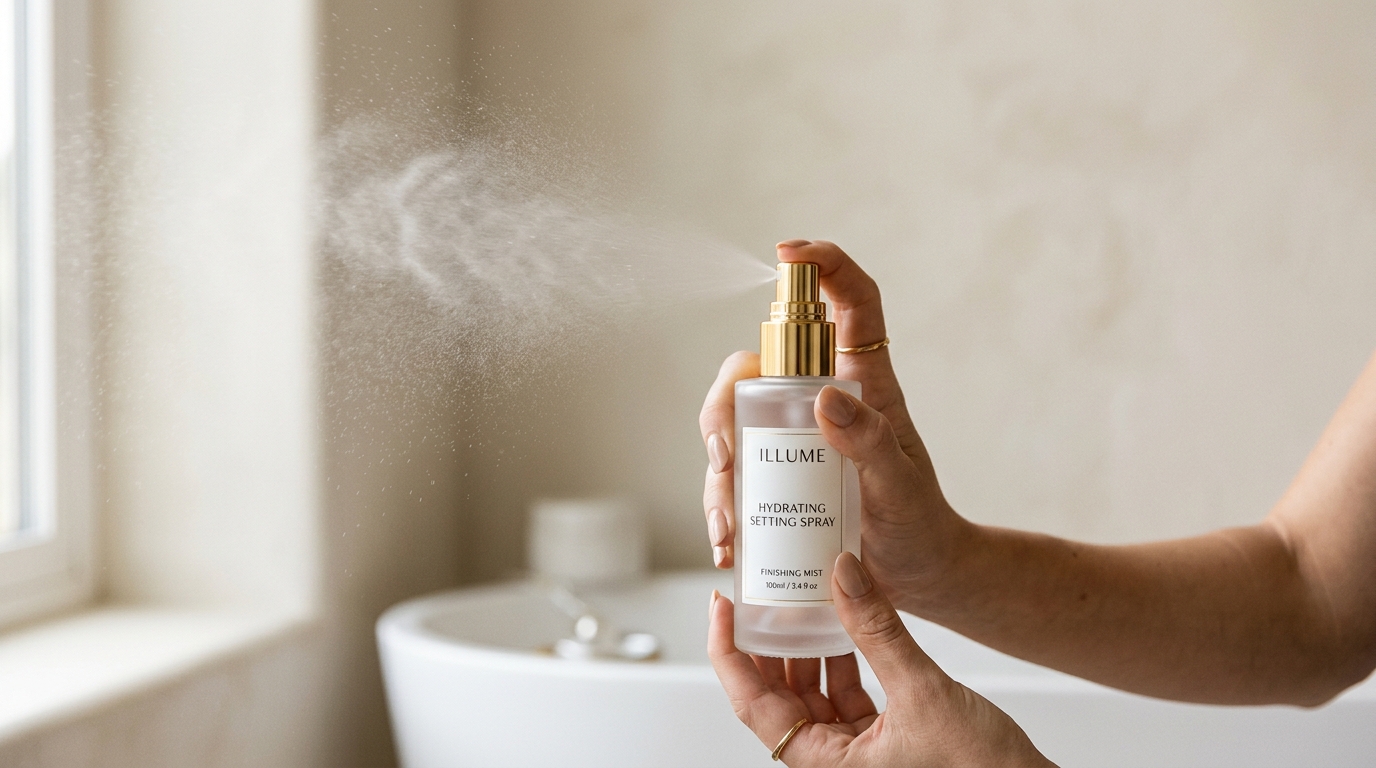
- Skip powder where you can. Water-based foundations pair better with a hydrating setting spray than with powder, which can make them look flat or patchy.
- Do not over-blend. Over-blending disturbs the formula and can cause it to pill. Work in sections and stop when the product looks even.
For the complete application routine for acne-prone skin, see our step-by-step application guide.
Frequently Asked Questions
Is water-based foundation better for acne-prone skin?
Water-based foundations tend to feel lighter and less occlusive than silicone-based or oil-based formulas. For many people with acne-prone skin, they are a good cosmetic choice because they feel breathable and layer well over lightweight skincare. However, water-based itself is not automatically non-comedogenic — check the label for that claim too.
How do I know if a foundation is water-based?
Check the first ingredient on the label. If it says 'water' or 'aqua,' the formula is water-based. If the first ingredient is 'dimethicone' or 'cyclopentasiloxane,' it is silicone-based. If it starts with an oil, it is oil-based.
Is water-based foundation better than silicone-based?
Neither is universally better — they have different cosmetic properties. Water-based foundations feel lighter and more breathable, which suits acne-prone and oily skin. Silicone-based foundations feel smoother and blurring, which suits textured or mature skin. Non-comedogenic formulas exist in both categories.
Can water-based foundation clog pores?
A water-based formula is not automatically non-comedogenic. Clogging potential depends on the full ingredient list, not just whether the formula is water-based. Look for the 'non-comedogenic' claim on the packaging in addition to checking the base type.
Why does water-based foundation pill on my skin?
Pilling usually happens when you mix water-based and silicone-based products. If your water-based foundation is applied over a silicone-based primer or moisturiser (or vice versa), the products can separate into tiny balls. Match your bases and wait 5 minutes between each layer.
Does water-based foundation last as long as silicone-based?
Generally, no. Silicone-based foundations tend to have longer wear times because the silicone film holds pigment more firmly. Water-based formulas usually wear for 6–8 hours, compared to 8–12+ hours for silicone-based options. Using a hydrating setting spray can help extend wear.
What is the best water-based foundation for acne-prone skin?
Based on our cosmetic testing, Giorgio Armani Luminous Silk is the best overall water-based foundation for acne-prone skin. It is non-comedogenic and water-based, with buildable medium coverage and a luminous finish. For a drugstore option, Maybelline Fit Me Matte + Poreless is excellent at around $10.
Is water-based foundation good for oily skin?
Water-based foundations are usually a good cosmetic choice for oily skin because they feel lighter and less occlusive than heavy cream formulas. A water-based formula with a natural matte or satin finish helps control the look of shine without feeling thick.
Can I use water-based foundation with a silicone-based primer?
You can, but the products may pill or separate. For the smoothest result, match your bases: water-based foundation with water-based primer, and silicone-based foundation with silicone-based primer. If you want to mix, wait 5 minutes between layers and use less product overall.
How do I apply water-based foundation for the best result?
Apply with a damp makeup sponge, pressing the foundation into the skin in thin layers rather than sweeping. Water-based formulas tend to be thinner, so a sponge helps control how much product goes on. Set with a hydrating spray rather than powder.
The Bottom Line
Water-based foundation is a good cosmetic category for acne-prone skin — but understanding what it does and does not mean is the key. Water-based describes the base ingredient, not the pore-clogging potential. For the best result, look for foundations that are both water-based and labeled non-comedogenic.
If you want the best overall: Armani Luminous Silk ($69) is water-based, non-comedogenic, and offers buildable medium coverage with a luminous finish.
If you want the best drugstore option: Maybelline Fit Me Matte + Poreless (~$10) is water-based, non-comedogenic, and offers 40 shades of buildable coverage.
If you want a serum texture: L'Oréal True Match Nude Hyaluronic Tinted Serum (~$15) is water-based with 1% hyaluronic acid. It is the lightest formula we tested.
If you want buildable coverage: Dermablend Flawless Creator ($40) is water-based with only 10 ingredients and builds from sheer to full coverage.
If you want the best budget option: Catrice HD Liquid Coverage (~$10) is water-based with full coverage at a low price.
Remember: matching your bases is what makes the difference between a smooth application and pilling. Water-based skincare under water-based foundation, always. And whatever you choose, remove it thoroughly every night.
For the full breakdown of non-comedogenic foundations across every price point, see our pillar guide: Best Foundation for Acne-Prone Skin. For the complete application routine, see our step-by-step application guide.
References & Sources
- Spate Trends — "Non-comedogenic" search volume and growth data (2024).
- Exploding Topics — "Water-based foundation" search volume trends.
- Paula's Choice — Ingredient guidance on water-based vs silicone-based foundations.
- Vogue — Application tips for water-based foundations.
- Allure — Reviews of water-based foundations for acne-prone skin.
- Aggregated user reviews from Sephora, Ulta, and Reddit (r/MakeupAddiction, r/SkincareAddiction, r/Acne).
Was this article helpful?

Anam Ahsan
Skincare Enthusiast & BloggerHi, I'm Anam! I'm a beauty and skincare enthusiast who loves testing new products and sharing honest, personal reviews. I document my skincare journey and share what works for my skin so you can make better choices for your routine.
Comments (24)
Hannah W.
2 days agoThis guide saved me so much money — went with the budget pick and honestly can't tell the difference from serums twice the price!
Anam Ahsan Author
1 day agoSo glad it worked out for you, Hannah! That's exactly the kind of result we hoped readers would see.