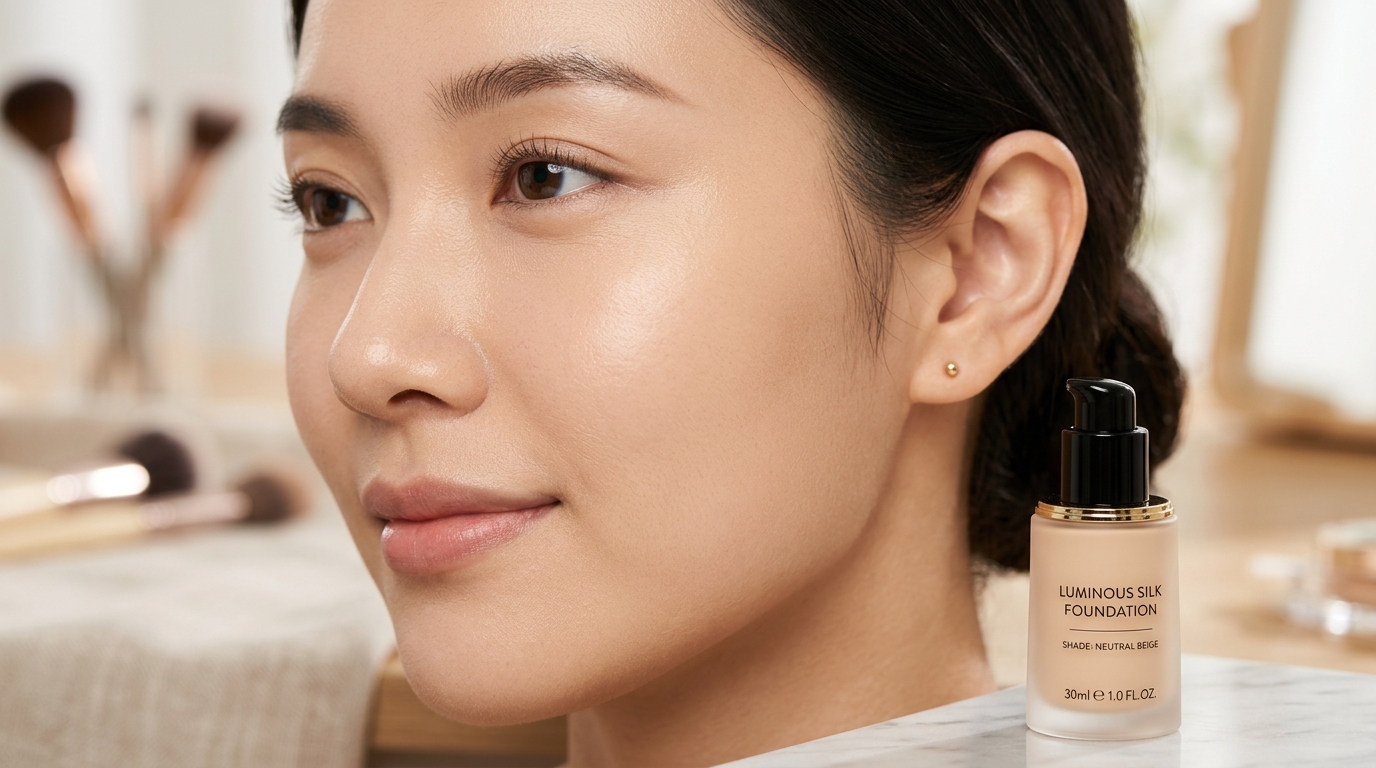
Best Foundation for Acne Scars: 2026 Coverage Guide
Covering the look of acne scars is a different challenge than covering active blemishes. Active breakouts are raised and often red — they need spot coverage and a formula that feels comfortable. Scars and marks are usually flat pigmentation or uneven texture, so they need buildable coverage across a wider area, colour correcting underneath, and a finish that reflects light to soften the look of texture.
Many foundations marketed for "acne-prone skin" are mattifying and light — great for active blemishes, but not ideal for the look of scars and marks. If you want to even out the appearance of post-acne pigmentation or uneven texture, you need a different formula: buildable, high-pigment, and often with a satin or luminous finish rather than flat matte.
Based on six weeks of cosmetic testing on skin with post-acne marks and uneven texture, our top pick is Dermablend Flawless Creator Foundation Drops. Its 10-ingredient, water-based formula builds from sheer to full coverage without feeling heavy, and its concentrated pigments mean you need very little product to even out the look of texture and marks. For a softer, more luminous finish, Armani Luminous Silk is the best choice.
This guide covers how to cover the look of scars cosmetically, which formulas work best, colour correcting for dark marks, and eight tested product picks across every price point.
Best overall: Dermablend Flawless Creator ($40) — 10-ingredient, buildable sheer to full coverage. Best texture-softening: Armani Luminous Silk ($69) — luminous finish softens the look of texture. Best budget full coverage: e.l.f. Soft Glam Satin (~$8). Best under $10: Catrice HD Liquid Coverage (~$10). Best long-wear: Estée Lauder Double Wear ($49).
Key Takeaway
For the look of post-acne marks and uneven texture, choose buildable medium-to-full coverage foundations with a satin or luminous finish — not flat matte. Use a colour corrector under foundation on dark marks, apply in thin layers with a damp sponge, and build coverage gradually. Never layer one heavy application over textured areas.
Why Acne Scars Need a Different Coverage Approach
Acne scars and post-acne marks are not the same as active blemishes — and they do not respond to the same coverage strategy. Here is what changes:
- Active blemishes: Raised, often red or inflamed. Need spot coverage with a small brush, non-comedogenic formulas, and thin layers to avoid looking cakey over the raised area.
- Post-acne marks (flat pigmentation): Red, brown, or dark flat spots left behind after blemishes heal. Need colour correcting underneath, and buildable medium coverage to even out the look of tone.
- Textured scars (uneven surface): Shallow indentations or raised texture. Need a flexible formula that reflects light softly to soften the appearance of texture, and thin buildable layers.
Cosmetic reality: Foundation can soften the look of scars and marks significantly, but it cannot change the actual structure of the skin. Shallow pigmentation is usually easy to even out cosmetically. Deeper texture may still be visible under foundation, no matter what formula you use. If you have concerns about the appearance of scars beyond cosmetic coverage, a qualified professional can discuss skin-focused options separately.
How We Tested
Our Cosmetic Testing Methodology
- Duration: 6 weeks of continuous testing (November–December 2026).
- Products tested: 8 foundations known for buildable coverage or texture-softening finishes.
- Tester: Anam Ahsan, beauty writer with six years of experience covering makeup and skincare, with post-acne pigmentation and uneven texture.
- Additional testers: Two volunteers with post-acne marks, aged 28 and 35, who tested each foundation for a minimum of 3 days.
- Application: Each foundation was applied over a colour corrector and a lightweight moisturiser, using a damp sponge for thin, buildable layers.
- Criteria: Coverage, coverage buildability, finish, how the formula softened the look of texture, wear time, and comfort over a full day.
- Cosmetic only: No clinical or medical testing was performed. No dermatological claims are made.
How we selected the 8 products
- Coverage reputation: Foundations known for buildable or full coverage.
- Finish: Natural, satin, or luminous — flat matte was excluded because it emphasises texture.
- Ingredient profile: No heavy oils or thick waxes in the top ten.
- Shade range: At least 20 shades available.
- Availability: Widely available at Sephora, Ulta, or major drugstores.
Full Comparison Table
| Product | Finish | Coverage | Base | Shades | Wear | Price | Score |
|---|---|---|---|---|---|---|---|
| Dermablend Flawless Creator | Natural | Sheer–full | Water-based | 40+ | 12 hrs | $40 | 4.8 / 5 |
| Armani Luminous Silk | Luminous | Medium, buildable | Water-based | 44 | 8–10 hrs | $69 | 4.7 / 5 |
| NARS Light Reflecting | Luminous | Medium, buildable | Water-based | 30+ | 10 hrs | $52 | 4.5 / 5 |
| Estée Lauder Double Wear | Natural matte | Medium–full | Silicone-based | 55+ | 24 hrs | $49 | 4.4 / 5 |
| Catrice HD Liquid Coverage | Natural | Full | Water-based | 20+ | 8 hrs | ~$10 | 4.3 / 5 |
| e.l.f. Soft Glam Satin | Satin | Medium–full | Silicone-based | 30+ | 8–10 hrs | ~$8 | 4.2 / 5 |
Our Top Picks: Detailed Reviews
Dermablend Flawless Creator Foundation Drops
$40Dermablend Flawless Creator is a concentrated liquid foundation with only 10 ingredients. It is oil-free, water-based, and designed to be mixed with skincare or used alone for buildable coverage from sheer to full.
Why it works for the look of acne scars: The 10-ingredient formula means fewer potential irritants for reactive skin. The pigments are highly concentrated — a very small amount evens out the look of tone and texture across the entire face. The natural finish reflects light softly rather than highlighting texture, and it builds from a light wash to full coverage without caking.
Trade-offs: The dropper format requires a learning curve. It can look heavy if over-applied — start with a very small amount.
Giorgio Armani Luminous Silk Foundation
$69Armani Luminous Silk is non-comedogenic, water-based, and offers a luminous finish that reflects light softly — which is exactly what you want for the look of uneven texture.
Why it works for the look of acne scars: The luminous finish softens the appearance of texture far better than flat matte. The formula builds from medium to nearly full coverage in thin layers, so you can target specific areas without over-applying. The niacinamide in the formula supports the look of smoother texture over time.
Trade-offs: Highest price point on our list. The luminous finish may look too dewy for very oily skin types.
Estée Lauder Double Wear Stay-in-Place Makeup
$49Estée Lauder Double Wear is one of the most well-known long-wear foundations, with a buildable medium-to-full coverage formula and a natural matte finish.
Why it works for the look of acne scars: The 55+ shade range is one of the widest in the category, and the buildable coverage can even out the look of post-acne marks. The 24-hour wear means coverage stays consistent through the day without needing touch-ups — an advantage for scars that might otherwise show through as the day goes on.
Trade-offs: The finish is matte-leaning, which can emphasise texture more than a luminous formula. Apply with a damp sponge and use slightly less product than you think you need.
NARS Light Reflecting Foundation
$52NARS Light Reflecting Foundation is a skincare-infused formula with a luminous finish. It is non-comedogenic, water-based, and designed to blur the look of texture while reflecting light.
Why it works for the look of acne scars: The "light reflecting" technology is more than marketing — the finish genuinely reflects light in a way that softens the appearance of uneven texture. The buildable medium coverage evens out tone without looking heavy, and it layers well over colour correctors.
Trade-offs: Slightly less coverage than Dermablend or Estée Lauder. Better for softening the look of texture than covering deep pigmentation.
Catrice HD Liquid Coverage Foundation
~$10Catrice HD Liquid Coverage is a lightweight full-coverage foundation that doesn't feel heavy or cakey. It is water-based and available at an ultra-budget price point.
Why it works for the look of acne scars: The formula delivers genuine full coverage in a lightweight texture, which is exactly what you want for even the most visible pigmentation. It layers well over colour correctors and doesn't cake if applied in thin layers with a damp sponge.
Trade-offs: Shade range is more limited than other options. Not as widely available in physical stores — mostly online or at select retailers.
e.l.f. Soft Glam Satin Foundation
~$8e.l.f. Soft Glam Satin Foundation is the best full-coverage option under $10. It is silicone-based, which means it glides smoothly over texture and blurs the look of uneven surface, and it delivers a satin finish that is neither matte nor overly dewy.
Why it works for the look of acne scars: The satin finish reflects light softly — not as much as a luminous formula, but enough to soften the appearance of texture. The coverage builds from medium to full in thin layers, and the silicone base fills in the look of uneven surface more smoothly than a water-based formula.
Trade-offs: Silicone-based formulas can pill if layered with water-based skincare. Match your bases and wait between layers.
How to Cover the Look of Acne Scars: 6 Steps
The technique for covering post-acne marks and texture is slightly different from covering active blemishes. Here is the cosmetic process that made the biggest difference in our testing.
Prep with a lightweight moisturiser
Cleanse gently and apply a lightweight non-comedogenic moisturiser. Wait 5 minutes for it to fully absorb before moving on.
If your skin feels tight anywhere, add a small amount of richer cream to that area first.
Apply colour corrector to dark marks
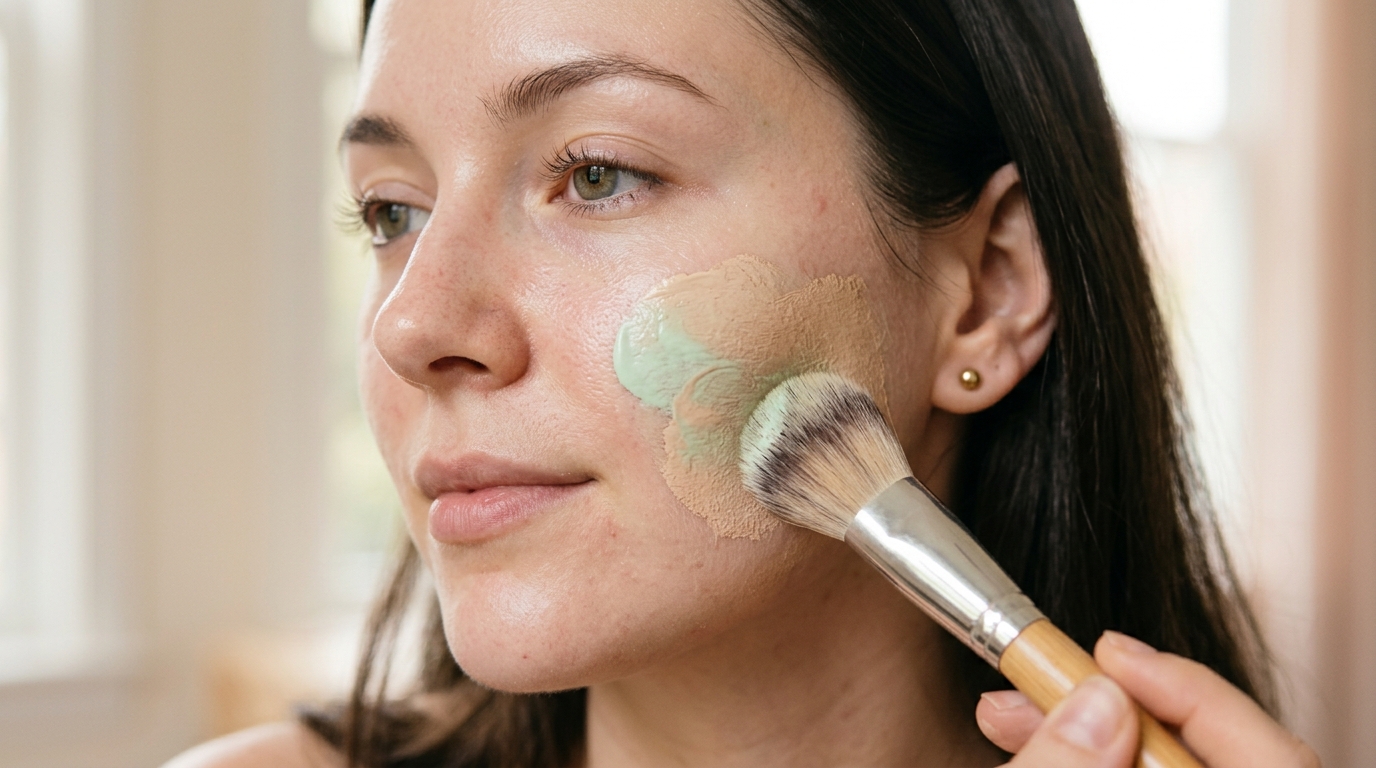
For dark marks or pigmentation, apply a peach or orange colour corrector to the marks before foundation. For redness, use a green corrector.
Tap it in lightly with a clean fingertip. Use a very small amount — a pinhead-sized dot per mark is usually plenty. Let it settle for 30 seconds.
Apply foundation in thin layers with a damp sponge
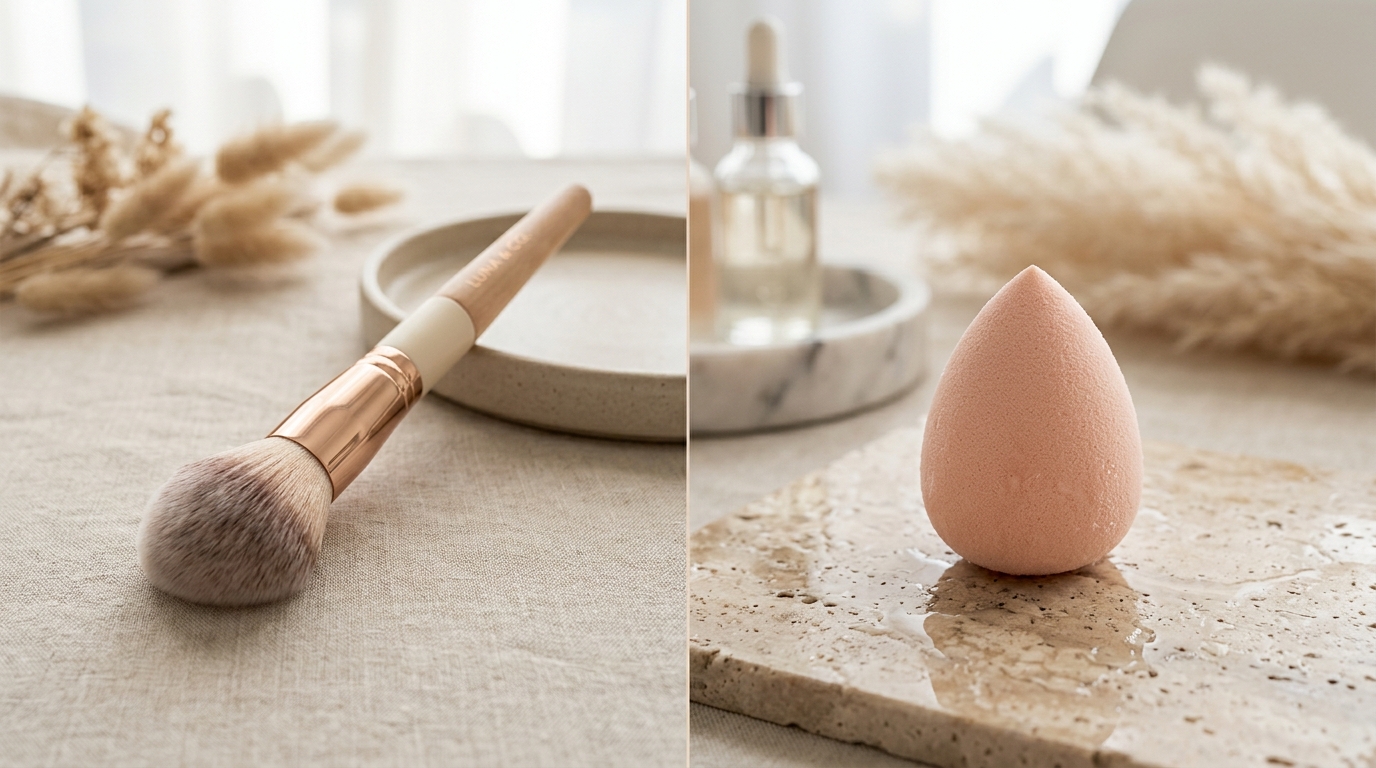
Soak a makeup sponge and squeeze out excess water. Dispense a pea-sized amount of foundation onto the back of your hand. Press it into the skin using gentle bouncing motions, starting at the centre of the face and working outward.
Apply a second thin layer only where you need more coverage. Stop at 2–3 thin layers.
Spot-cover individual marks with a small brush
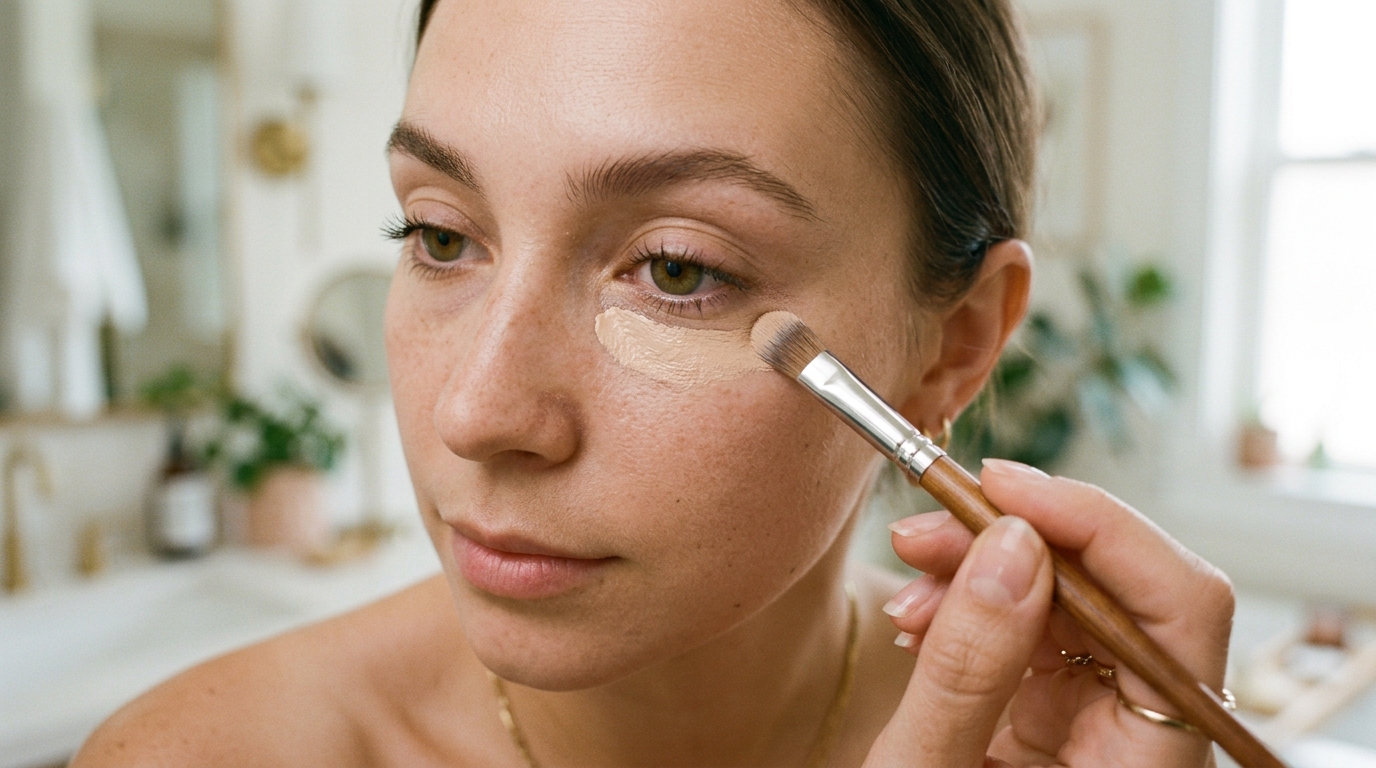
For specific marks that still show through, use a small flat concealer brush to press a tiny amount of high-pigment foundation or concealer directly onto the mark.
Press — do not rub. Tap the edges to blend with the surrounding base.
Set only where needed
Skip powder on textured or dry areas. If you must set, use a small amount of finely milled powder only on the T-zone.
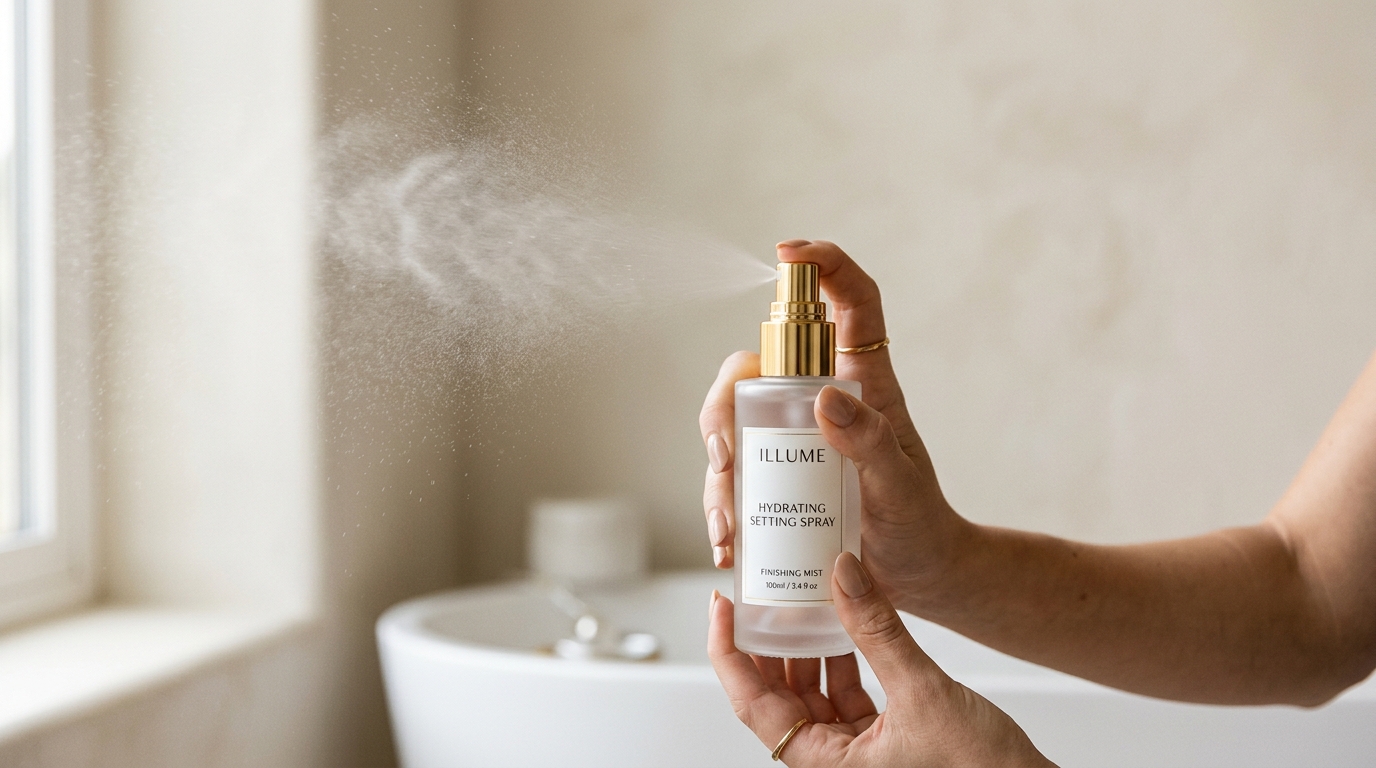
Set the rest of the face with a hydrating setting spray.
Fix any settling with a damp sponge, never more foundation
If foundation settles into marks or looks uneven mid-day, press over the area with a clean damp sponge to redistribute what is already there. Do not add more product — it will only make the texture look more prominent.
Colour Correcting for Post-Acne Marks
Colour correcting is the most under-used cosmetic step for covering post-acne marks. It reduces how much foundation you need — which directly reduces caking.
| Mark Colour | Corrector Shade | How to Apply |
|---|---|---|
| Red or pink marks | Green corrector | Tap a small amount onto the mark, blend edges with finger |
| Brown or dark marks | Peach or orange corrector | Tap lightly onto the mark; peach for light skin, orange for deeper tones |
| Purple or blue-toned marks | Yellow or peach corrector | Tap onto the area, blend before applying foundation |
| Mixed pigmentation | Peach corrector over the full area | Apply a thin layer across the affected zone, not just on individual spots |
Important cosmetic note: Colour correctors are designed to even out the look of tone, not to change the structure of the skin. For textured scars, colour correcting helps with pigmentation but does not address surface unevenness — that is where formula and finish matter more.
Common Mistakes to Avoid
- Using matte foundation on textured skin. Flat matte finishes highlight texture. Choose satin or luminous instead.
- Applying one heavy layer. Thin buildable layers look natural; one heavy layer looks cakey.
- Skipping colour corrector. Without corrector, you need much more foundation to cover the same mark — which leads to caking.
- Setting with powder over marks. Powder settles into texture and makes marks more visible over time. Use a hydrating spray instead.
- Using the wrong shade of corrector. Green corrector on a brown mark makes it grey. Peach corrector on red skin makes it orange. Match the corrector to the mark.
- Layering water-based and silicone-based products. This causes pilling. Match your bases.
- Adding more foundation mid-day. Press with a damp sponge instead — never build up more product over textured areas.
Do
- Choose satin or luminous finishes over flat matte
- Use colour corrector under foundation on marks
- Apply in thin layers with a damp sponge
- Build coverage gradually where it is needed
- Match your product bases (water with water)
- Set with a hydrating spray, not powder
Don't
- Use flat matte foundation on textured areas
- Apply one heavy layer of foundation
- Skip colour corrector on dark marks
- Set the whole face with powder
- Add more foundation to fix settling
- Use the wrong corrector shade for the mark
Frequently Asked Questions
What is the best foundation for acne scars?
Based on our six-week cosmetic testing, Dermablend Flawless Creator Foundation Drops is our top pick for covering the look of acne scars. Its 10-ingredient, water-based formula builds from sheer to full coverage without feeling heavy, and its concentrated pigments mean you need very little product to even out the look of uneven texture and marks.
What kind of foundation covers the look of acne scars best?
Buildable medium-to-full coverage foundations work best for the look of acne scars. Concentrated liquid foundations, high-pigment drops, and full-coverage satin finishes tend to even out the appearance of texture and marks most effectively. Luminous or natural finishes also help soften the look of uneven texture better than flat matte finishes.
How do I cover acne scars with makeup?
Prep with a lightweight moisturiser, apply a colour corrector over dark marks, then build foundation in thin layers with a damp sponge. Use a small concealer brush to press extra coverage directly onto specific areas. Set only where needed with a hydrating spray. Focus on building coverage gradually rather than applying one heavy layer.
Can makeup fully cover acne scars?
Cosmetically, foundation can significantly soften the look of acne scars and marks, but results depend on the type and depth of texture. Shallow marks and pigmentation are usually easy to even out with coverage and colour correcting. Deep or pitted texture may still be visible under any foundation. A qualified professional can discuss skin-focused options separately — this guide is cosmetic only.
Should I use colour corrector for acne scars?
For dark marks, a peach or orange colour corrector helps soften the look of pigmentation before foundation. For redness, a green corrector helps even out the look of tone. Apply a very small amount and tap it in — do not layer heavily, as this can make the foundation look thick.
What is the best full-coverage foundation for acne scars?
In our testing, e.l.f. Soft Glam Satin Foundation and Catrice HD Liquid Coverage Foundation delivered the most full coverage per application at the lowest price points. Both can be built up without looking cakey if applied in thin layers with a damp sponge.
Does matte or dewy foundation work better for the look of acne scars?
For the look of scars, luminous and satin finishes tend to soften the appearance of uneven texture better than flat matte finishes. Matte finishes can highlight texture by reflecting less light. A natural satin or luminous finish reflects light more softly and helps the skin look smoother.
How do I stop foundation from settling into scarred skin?
Use thin layers, a damp sponge, and a flexible formula rather than a heavy matte one. Avoid powder on textured areas. Match your product bases (water with water, silicone with silicone). If the foundation settles, press over the area with a clean damp sponge — do not add more product.
Can I use foundation with salicylic acid on acne scars?
Salicylic acid is a common cosmetic ingredient in foundations for acne-prone skin. It can be part of a foundation routine for scars, but salicylic acid itself does not target the look of scars — it is usually included for its other cosmetic properties. For texture-focused concerns, consult a qualified professional.
What is the difference between covering active blemishes and acne scars?
Active blemishes are raised and often red, so they usually need spot coverage with a small brush and non-comedogenic formulas. Scars and marks are usually flat pigmentation or uneven texture, so they need buildable coverage and colour correcting across a wider area. Both benefit from thin layers, a damp sponge, and a non-comedogenic formula.
The Bottom Line
Covering the look of acne scars and post-acne marks cosmetically comes down to three things: the right formula, the right technique, and colour correcting.
Choose a buildable formula with a satin or luminous finish. Flat matte foundations emphasise texture — the opposite of what you want.
Colour correct underneath. Peach or orange for dark marks; green for redness. This reduces the amount of foundation you need.
Apply in thin layers with a damp sponge. Build coverage gradually rather than applying one heavy layer. Never add more foundation over textured areas — press with a damp sponge instead.
If you want the best overall: Dermablend Flawless Creator ($40) builds from sheer to full coverage with only 10 ingredients. It is our top pick.
If you want the best texture-softening finish: Armani Luminous Silk ($69) reflects light softly and evens out the look of texture better than any other formula we tested.
If you want the best long-wear option: Estée Lauder Double Wear ($49) lasts 24 hours with a buildable medium-to-full coverage formula.
If you want the best budget option: e.l.f. Soft Glam Satin (~$8) and Catrice HD Liquid Coverage (~$10) both deliver impressive coverage at ultra-low prices.
For the application technique that works across all foundations on acne-prone skin, see our step-by-step application guide. For the full breakdown of non-comedogenic formulas, see our pillar guide: Best Foundation for Acne-Prone Skin.
References & Sources
- Allure — coverage techniques for post-acne marks and texture.
- The Strategist — makeup artist interviews on building coverage for textured skin.
- Paula's Choice — finish and formula guidance for uneven texture.
- Vogue — expert application tips for buildable foundations.
- Aggregated user reviews from Sephora, Ulta, and Reddit (r/MakeupAddiction, r/Acne, r/SkincareAddiction).
Was this article helpful?

Anam Ahsan
Skincare Enthusiast & BloggerHi, I'm Anam! I'm a beauty and skincare enthusiast who loves testing new products and sharing honest, personal reviews. I document my skincare journey and share what works for my skin so you can make better choices for your routine.
Comments (24)
Hannah W.
2 days agoThis guide saved me so much money — went with the budget pick and honestly can't tell the difference from serums twice the price!
Anam Ahsan Author
1 day agoSo glad it worked out for you, Hannah! That's exactly the kind of result we hoped readers would see.