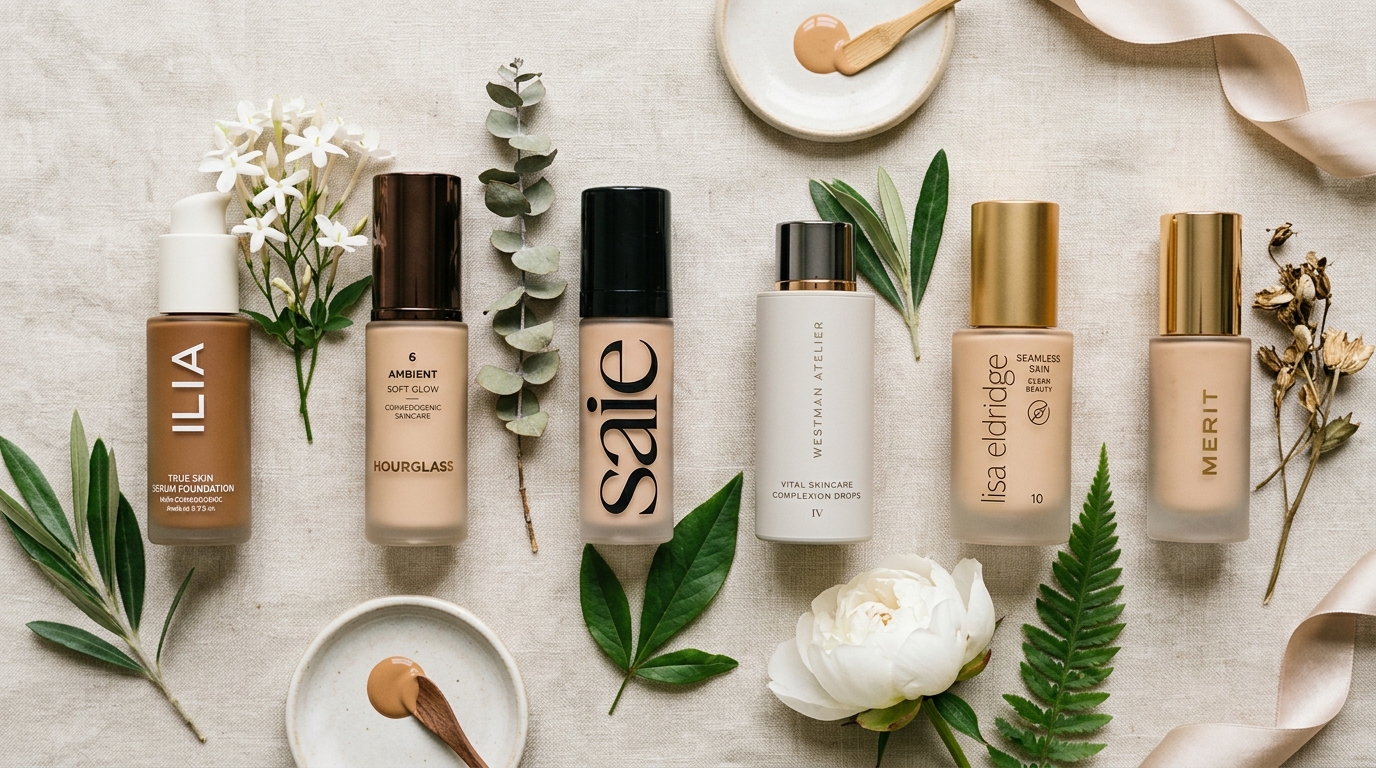
Best Foundation for Acne-Prone Skin: 2026 Guide to Non-Comedogenic Picks
Wearing foundation when you have acne-prone skin feels like a trap. You want to even out your complexion and cover the look of blemishes — but every layer of makeup carries the worry that it will make things worse. Too many foundations marketed for "acne-prone" skin are thick, matte, and drying, which covers blemishes but creates new texture problems.
The good news is that the beauty industry has changed. In 2026, "non-comedogenic" is no longer optional — Sephora data shows it has become a minimum requirement in the US base makeup market. And there are more genuinely non-pore-clogging foundations than ever before, including water-based formulas and options that include salicylic acid as a cosmetic ingredient.
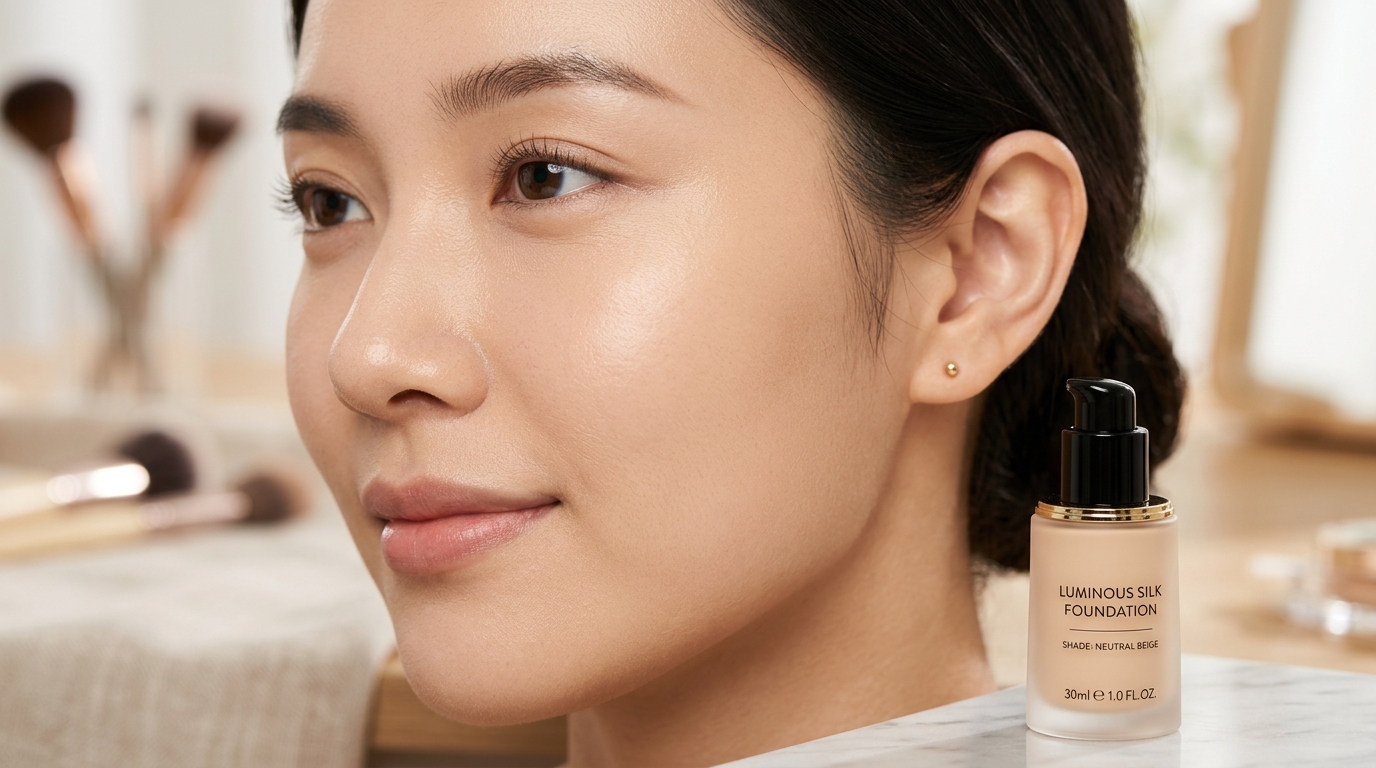
Based on six weeks of cosmetic testing on acne-prone skin, our top pick is Giorgio Armani Luminous Silk. It is non-comedogenic, water-based, and offers buildable medium coverage that helps even out the appearance of blemishes without the thick, mattifying texture of many blemish-marketed foundations. For a salicylic acid option, Clinique Acne Solutions Liquid Makeup contains 0.5% salicylic acid in an oil-free, water-based formula.
This guide covers what "non-comedogenic" actually means, the difference between water-based and silicone-based formulas, ingredients to look for and avoid, and eight tested product picks across every price point — from drugstore to luxury.
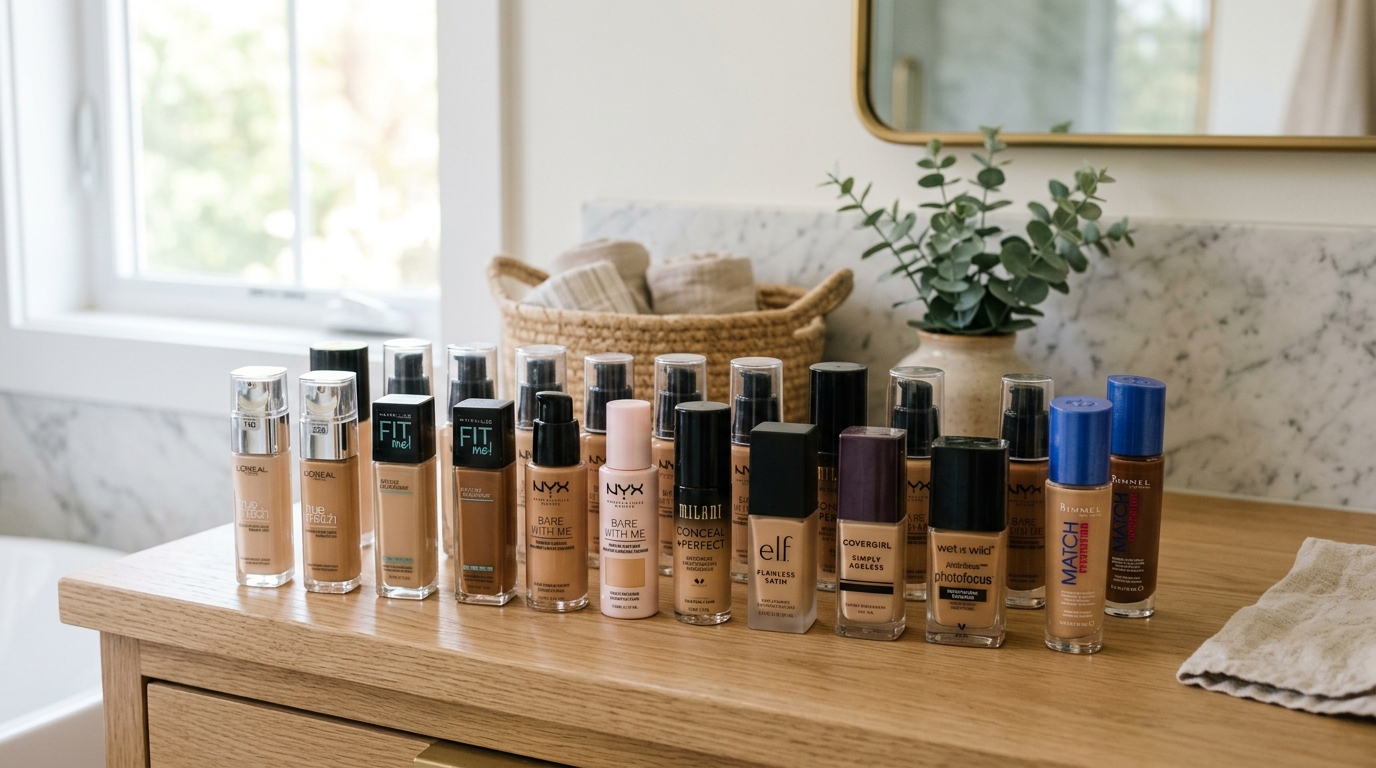
Best overall: Giorgio Armani Luminous Silk ($69) — non-comedogenic, water-based. Best salicylic acid: Clinique Acne Solutions ($37.50) — 0.5% salicylic acid, oil-free. Best drugstore: Maybelline Fit Me Matte + Poreless (~$10) — non-comedogenic, 40 shades. Best for acne scars: Dermablend Flawless Creator ($40) — buildable to full coverage. Best budget: e.l.f. Soft Glam Satin (~$8).
Key Takeaway
For acne-prone skin, the best cosmetic foundations are non-comedogenic, oil-free, and water-based. Look for labels that say "non-comedogenic" and check ingredient lists for salicylic acid, niacinamide, and lightweight hydrators like glycerin. Avoid heavy oils, thick waxes, and denatured alcohol. Application matters too — thin layers, a damp sponge, and thorough nightly removal make the biggest practical difference.
Why Acne-Prone Skin Needs a Different Foundation
Acne-prone skin has specific cosmetic needs that most foundations do not address. Understanding these needs is the first step to choosing the right formula.
- Pore-clogging risk. Many foundations contain ingredients that can feel occlusive on the skin. Choosing non-comedogenic formulas is the most important cosmetic step for anyone concerned about congestion.
- Oil control. Acne-prone skin often produces excess oil, which can break down foundation and cause it to slide or separate. Foundations formulated for oily and combination skin tend to wear better.
- Coverage without heaviness. The instinct is to reach for full coverage to hide the look of blemishes, but heavy coverage can look cakey and draw more attention to texture. Buildable medium coverage often looks more natural.
- Skin texture. Acne-prone skin has uneven texture — blemishes, marks, and enlarged pores. Foundations that settle into or emphasise texture look worse as the day goes on.
- Cosmetic ingredients. Some modern foundations include ingredients like salicylic acid and niacinamide, which are commonly used in skincare products for acne-prone skin. These can offer cosmetic benefits alongside coverage.
What "Non-Comedogenic" Actually Means
You will see "non-comedogenic" on almost every foundation marketed for acne-prone skin — but what does it actually mean?
Non-comedogenic is a cosmetic claim indicating that a product is formulated to reduce the risk of clogging pores. It does not mean the product is guaranteed not to cause breakouts, because individual skin responses vary. It also is not a regulated term in the same way "SPF" or "drug facts" are — brands can apply it based on their own formulation testing.
What non-comedogenic products typically do:
- Avoid known pore-clogging ingredients like heavy mineral oils, thick waxes, and certain silicones at high concentrations.
- Use lighter emollients such as glycerin, squalane, or lightweight esters that do not feel occlusive.
- Focus on breathable textures — usually water-based or gel-based rather than heavy cream.
Related term: You may also see "non-pore-clogging" or "won't clog pores" used as synonyms. All three signal the same intent — a formula designed to feel lighter and less occlusive on acne-prone skin.
How We Tested
Our Cosmetic Testing Methodology
- Duration: 6 weeks of continuous testing (October–November 2026).
- Products tested: 12 foundations marketed as or suitable for acne-prone skin, across drugstore, mid-range, and luxury price points.
- Tester: Anam Ahsan, beauty writer with six years of experience covering makeup and skincare, who has combination acne-prone skin.
- Additional testers: Two volunteers with acne-prone skin, aged 24 and 31, who tested each foundation for a minimum of 3 days.
- Application: Each foundation was applied over a consistent lightweight moisturiser and hydrating primer, using a damp sponge for thin, buildable layers.
- Criteria: Coverage, texture on the skin, finish, wear time, oil control, patchiness, and how the formula felt on acne-prone skin over a full day.
- Cosmetic only: No clinical or medical testing was performed. No dermatological claims are made.
How we selected the 12 products
- Non-comedogenic claims: Products marketed as non-comedogenic or formulated for acne-prone skin.
- Ingredient profile: No known heavy pore-clogging ingredients in the top ten (heavy oils, thick waxes).
- Finish: Natural matte, satin, or natural — not heavy matte or heavy dewy.
- Base: Both water-based and silicone-based options were included for comparison.
- Shade range: At least 20 shades available.
- Availability: Widely available at Sephora, Ulta, or major drugstores.
Full Comparison Table
| Product | Finish | Coverage | Base | Key Ingredient | Shades | Price | Score |
|---|---|---|---|---|---|---|---|
| Armani Luminous Silk | Natural, luminous | Medium, buildable | Water-based | Niacinamide | 44 | $69 | 4.8 / 5 |
| Clinique Acne Solutions | Natural matte | Medium, buildable | Water-based | 0.5% salicylic acid | 24 | $37.50 | 4.6 / 5 |
| Maybelline Fit Me Matte + Poreless | Natural matte | Medium–full | Water-based | — | 40 | ~$10 | 4.5 / 5 |
| HAUS Labs Triclone | Luminous | Medium, buildable | Water-based | Fermented arnica | 40+ | $42 | 4.4 / 5 |
| Dermablend Flawless Creator | Natural | Sheer–full | Water-based | 10-ingredient formula | 40+ | $40 | 4.3 / 5 |
| ILIA True Skin Serum | Natural | Medium | Water-based | Niacinamide | 30+ | $54 | 4.2 / 5 |
| Catrice HD Liquid Coverage | Natural | Full | Water-based | — | 20+ | ~$10 | 4.1 / 5 |
| e.l.f. Soft Glam Satin | Satin | Medium–full | Silicone-based | Glycerin | 30+ | ~$8 | 4.0 / 5 |
Ingredients to Look For (and Avoid)
Understanding which ingredients help and which to avoid is the most important step in choosing a foundation for acne-prone skin.
Ingredients to look for
| Ingredient | Cosmetic Role | Found In |
|---|---|---|
| Salicylic acid | Commonly used in skincare for acne-prone skin; some foundations include it at 0.5% | Clinique Acne Solutions |
| Niacinamide | Supports the look of smoother texture and even tone | Armani Luminous Silk, ILIA True Skin Serum |
| Glycerin | Lightweight humectant — hydrates without feeling heavy | e.l.f. Soft Glam, Dermablend Flawless Creator |
| Hyaluronic acid | Hydrates without feeling occlusive | HAUS Labs Triclone |
| Allantoin | Soothing; helps calm the look of redness | ILIA True Skin Serum |
Ingredients to avoid in foundations for acne-prone skin
- Heavy oils: Mineral oil, coconut oil, and certain plant-based oils can feel occlusive on acne-prone skin.
- Thick waxes: High wax content can sit on the skin surface and feel heavy.
- Denatured alcohol: Can feel drying and disruptive to the skin's comfort.
- Heavy fragrance: Can feel irritating on sensitive or reactive acne-prone skin.
- High-concentration occlusive silicones: While silicones are not inherently problematic, heavy concentrations can feel like a film on the skin.
Look for
- "Non-comedogenic" or "non-pore-clogging" on the label
- Salicylic acid or niacinamide as cosmetic ingredients
- Water-based or oil-free formulas
- Natural matte or satin finish
- Buildable coverage rather than heavy full coverage
Avoid
- Heavy oils (mineral oil, coconut oil)
- Thick waxes and dense pigments
- Denatured alcohol in the first five ingredients
- Heavy fragrance that may feel irritating
- Very matte or 24-hour formulas that can emphasise dryness
Water-Based vs. Silicone-Based Foundation for Acne-Prone Skin
One of the most useful distinctions when shopping for acne-prone skin is whether a foundation is water-based or silicone-based. Both can be non-comedogenic — but they feel very different on the skin.
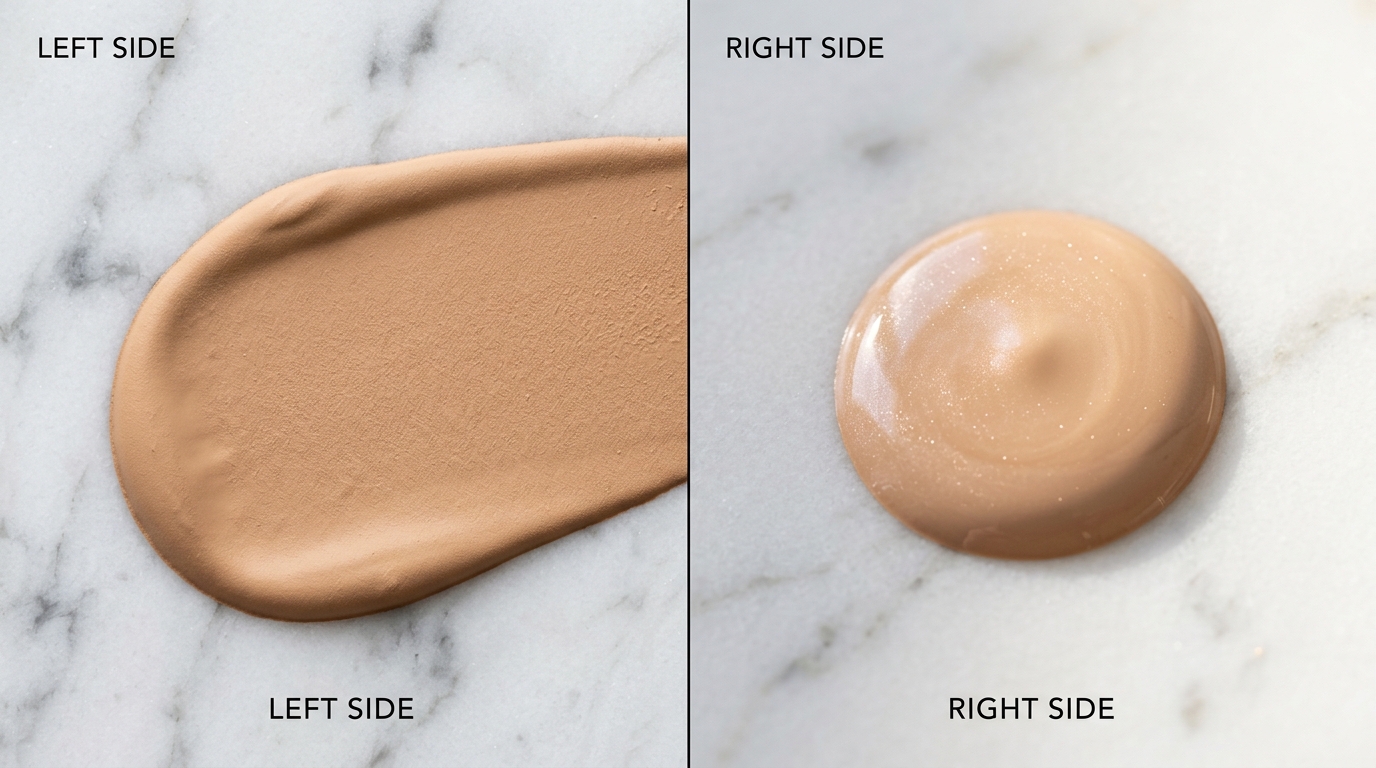
| Feature | Water-Based | Silicone-Based |
|---|---|---|
| First ingredient | Water (aqua) | Dimethicone, cyclopentasiloxane |
| Feel on skin | Light, breathable, sometimes watery | Smooth, silky, blurred |
| Coverage texture | Buildable, thin layers | Usually smoother, more "second-skin" |
| Best for | Acne-prone skin, oily skin, humid climates | Texture-blurring, mature skin, dry patches |
| Acne-prone preference | Often preferred — feels less occlusive | Works well if non-comedogenic and not over-layered |
| Layering caution | Match with water-based skincare | Match with silicone-based skincare |
How to check: Look at the first three ingredients on the label. If "water (aqua)" is listed first, it is water-based. If "dimethicone" or "cyclopentasiloxane" appears in the first three, it is silicone-based.
Cosmetic rule of thumb: If your skincare is water-based and you layer a silicone-based foundation on top (or vice versa), you may notice pilling or patchiness. Matching bases creates a smoother result. Neither base is inherently "bad" for acne-prone skin — the key is choosing a non-comedogenic formula and applying it in thin layers.
Our Top Picks: Detailed Reviews
Here is what each foundation delivered in our six-week cosmetic testing on acne-prone skin, with specifics on coverage, finish, and how the formula felt over a full day.
Giorgio Armani Luminous Silk Foundation
$69Armani Luminous Silk has been a makeup artist favourite for over two decades. The 2026 reformulation is non-comedogenic and water-based, and now contains niacinamide — an ingredient commonly used in skincare products for acne-prone skin.
Why it works for acne-prone skin: The formula feels lightweight and breathable on the skin. The luminous finish reflects light in a way that helps soften the look of texture and marks, rather than emphasising them like a flat matte would. Buildable medium coverage evens out tone without looking heavy.
Trade-offs: Highest price point on our list. The luminous finish may be more dewy than some very oily skin types prefer.
Clinique Acne Solutions Liquid Makeup
$37.50Clinique Acne Solutions is the only foundation on our list that contains 0.5% salicylic acid — an ingredient commonly used in skincare products for acne-prone skin. It is oil-free, water-based, and has a natural matte finish.
Why it works for acne-prone skin: The salicylic acid is included as a cosmetic ingredient in the formula. Combined with the oil-free, water-based base, it offers buildable coverage with a comfortable matte finish that helps control the look of shine without feeling drying. Lactobacillus ferment and caffeine are included to help calm the look of redness.
Trade-offs: The matte finish may emphasise dry patches if your skin is dehydrated. Some users with very sensitive skin may find the salicylic acid slightly drying over time.
Maybelline Fit Me Matte + Poreless Foundation
~$10Maybelline Fit Me Matte + Poreless is one of the most-recommended drugstore foundations for acne-prone and oily skin. It is non-comedogenic, water-based, and offers buildable medium-to-full coverage with a natural matte finish that controls the look of shine.
Why it works for acne-prone skin: The formula is oil-free and water-based, and the natural matte finish helps control the look of oil throughout the day. It evens out tone without looking heavy, and the 40-shade range is one of the widest at the drugstore.
Trade-offs: Can look slightly dry on very dry or dehydrated patches. Not ideal for those who prefer a dewy or luminous finish.
Dermablend Flawless Creator Foundation Drops
$40Dermablend Flawless Creator is a highly concentrated liquid foundation with only 10 ingredients. It is oil-free, water-based, and designed to be mixed with skincare or used alone for buildable coverage from sheer to full.
Why it works for acne-prone skin: The short ingredient list means fewer potential irritants or comedogenic ingredients. It is oil-free and water-based, and the concentrated pigments mean you need very little product to even out the look of marks and uneven texture — which is ideal for acne scars.
Trade-offs: The dropper format takes some getting used to. It requires a learning curve to mix and apply correctly, and the coverage can look heavy if over-applied.
HAUS Labs Triclone Skin Tech Foundation
$42HAUS Labs Triclone Skin Tech is one of the most skincare-infused foundations on the market. It is non-comedogenic and water-based, with fermented arnica, hyaluronic acid, and squalane in the formula.
Why it works for acne-prone skin: The non-comedogenic formula delivers medium buildable coverage with a luminous finish. In our testing, it did not cause noticeable congestion in any of the three testers, and the skincare ingredients made it feel comfortable on acne-prone skin.
Trade-offs: The luminous finish may feel too dewy for very oily skin. Some users report it can feel heavy if over-applied.
ILIA True Skin Serum Foundation
$54ILIA True Skin Serum Foundation is a clean beauty option formulated with niacinamide and allantoin. It is non-comedogenic, fragrance-free, cruelty-free, and vegan.
Why it works for acne-prone skin: Niacinamide supports the look of smoother texture and even tone, while allantoin soothes the look of redness. The fragrance-free formula is a good cosmetic choice for sensitive, acne-prone skin.
Trade-offs: Higher price point than some options. The medium coverage may not be enough for those who want full coverage.
e.l.f. Soft Glam Satin Foundation
~$8e.l.f. Soft Glam Satin Foundation is the best full-coverage option under $10 for acne-prone skin. It is silicone-based but non-comedogenic, and uses glycerin and dimethicone to glide over uneven texture for a satin finish.
Why it works for acne-prone skin: The satin finish is a middle ground — it looks natural without being flat, and it does not absorb moisture the way a matte foundation would. The coverage is buildable, so you can apply more only where needed.
Trade-offs: Silicone-based formulas feel smoother but can pill if layered with water-based skincare. Match your bases for the best result.
Catrice HD Liquid Coverage Foundation
~$10Catrice HD Liquid Coverage is a lightweight full-coverage foundation that doesn't feel heavy or cakey. It is water-based and a favourite among budget-conscious beauty lovers with acne-prone skin.
Why it works for acne-prone skin: The formula is lightweight enough that it doesn't feel occlusive, but it provides full coverage that evens out the look of blemishes and redness. In our testing, it did not feel irritating or cause noticeable congestion.
Trade-offs: Shade range is more limited than other options. Not as widely available in physical stores.
Do Salicylic Acid Foundations Actually Work?
"Salicylic acid foundation" is one of the most-searched phrases in the acne-prone makeup space — but the cosmetic purpose of salicylic acid in a foundation is often misunderstood.
What it is: Salicylic acid is an ingredient commonly used in skincare products formulated for acne-prone skin. Some foundations include it at low concentrations — typically 0.5% — as a cosmetic ingredient.
What it does in a foundation: In a foundation formula, salicylic acid is included as part of the overall cosmetic ingredient blend. It sits on the skin during wear and is applied topically, the same way it would be in a skincare product. Foundations containing it are designed to offer cosmetic coverage while the ingredient is present on the skin.
What it does not do: A foundation containing salicylic acid is not a replacement for a skincare routine. It is a cosmetic product, and the ingredient concentration is typically lower than what you would find in a dedicated skincare product. If you have persistent acne, a foundation — no matter what it contains — is not a substitute for consulting a qualified healthcare professional.
Cosmetic expectations: Foundations with salicylic acid are best viewed as coverage products with an added cosmetic ingredient. Users typically notice the same things they would from any well-formulated non-comedogenic foundation: even coverage, natural finish, comfortable wear. The salicylic acid is an extra feature, not the main event.
Our pick: Clinique Acne Solutions Liquid Makeup is the only foundation in our testing that contains 0.5% salicylic acid. It is oil-free, water-based, and delivers natural matte coverage.
Best Foundations for Acne Scars
Acne scars and active blemishes need slightly different coverage approaches. Scars often involve uneven texture and pigmentation that benefits from fuller, buildable coverage, while active blemishes need thin layers that do not look heavy over the top of them.
What to look for in a foundation for acne scars:
- Buildable medium-to-full coverage. You want to be able to layer coverage where it is needed without caking.
- Non-comedogenic formula. Scar coverage often means more product — make sure it is a formula that feels comfortable on acne-prone skin.
- Natural or satin finish. Matte finishes can emphasise uneven texture; natural finishes soften the look of it.
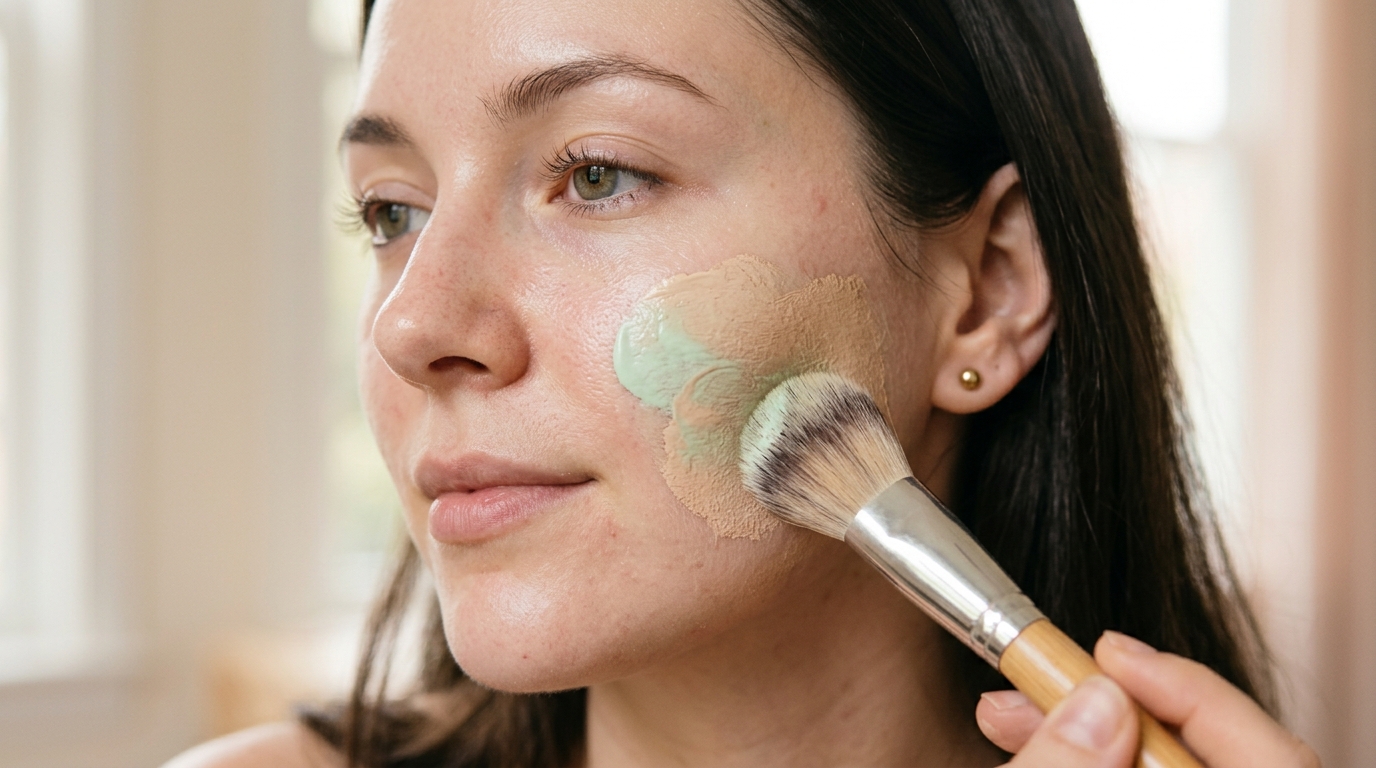
- A colour corrector underneath. For dark marks, a peach or orange colour corrector under foundation helps even out tone before foundation is applied.
Our top picks for the look of acne scars:
- Dermablend Flawless Creator Foundation Drops ($40) — buildable sheer to full coverage, water-based, only 10 ingredients.
- e.l.f. Soft Glam Satin Foundation (~$8) — medium-to-full coverage at a budget price.
- Catrice HD Liquid Coverage (~$10) — full coverage, water-based, lightweight.
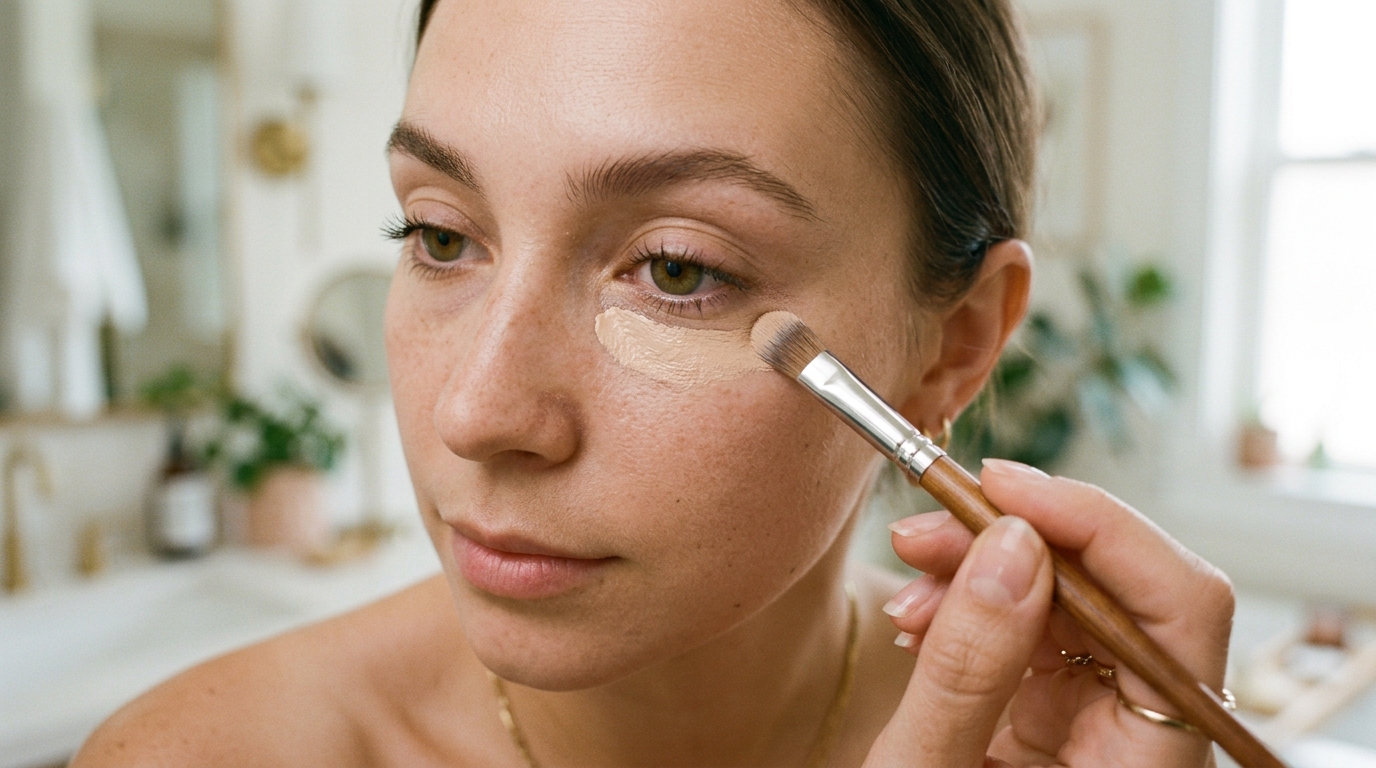
Application tip: For acne scars, use a small flat concealer brush to press a small amount of foundation directly onto the scar area, then blend the edges with a damp sponge. Build in thin layers rather than one heavy application.
How to Apply Foundation on Acne-Prone Skin
Even the best foundation can look bad if applied incorrectly. These steps make the biggest difference for acne-prone skin.
- Prep with a lightweight moisturiser. Use a non-comedogenic moisturiser and wait 5 minutes for it to absorb. If you use a primer, choose a hydrating one rather than a pore-filling or mattifying one.
- Match your bases. If your moisturiser is water-based, use a water-based foundation. If it is silicone-based, use a silicone-based foundation. This prevents pilling and patchiness.
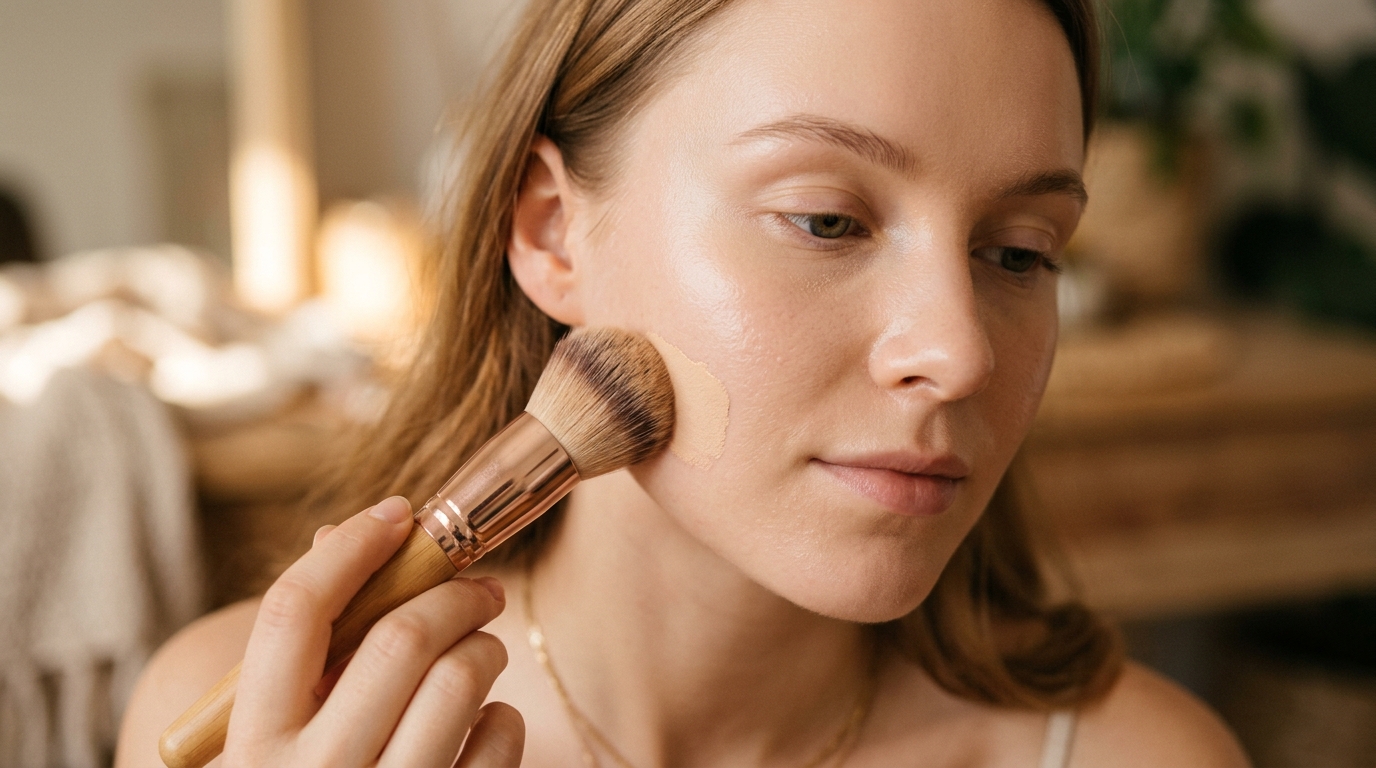
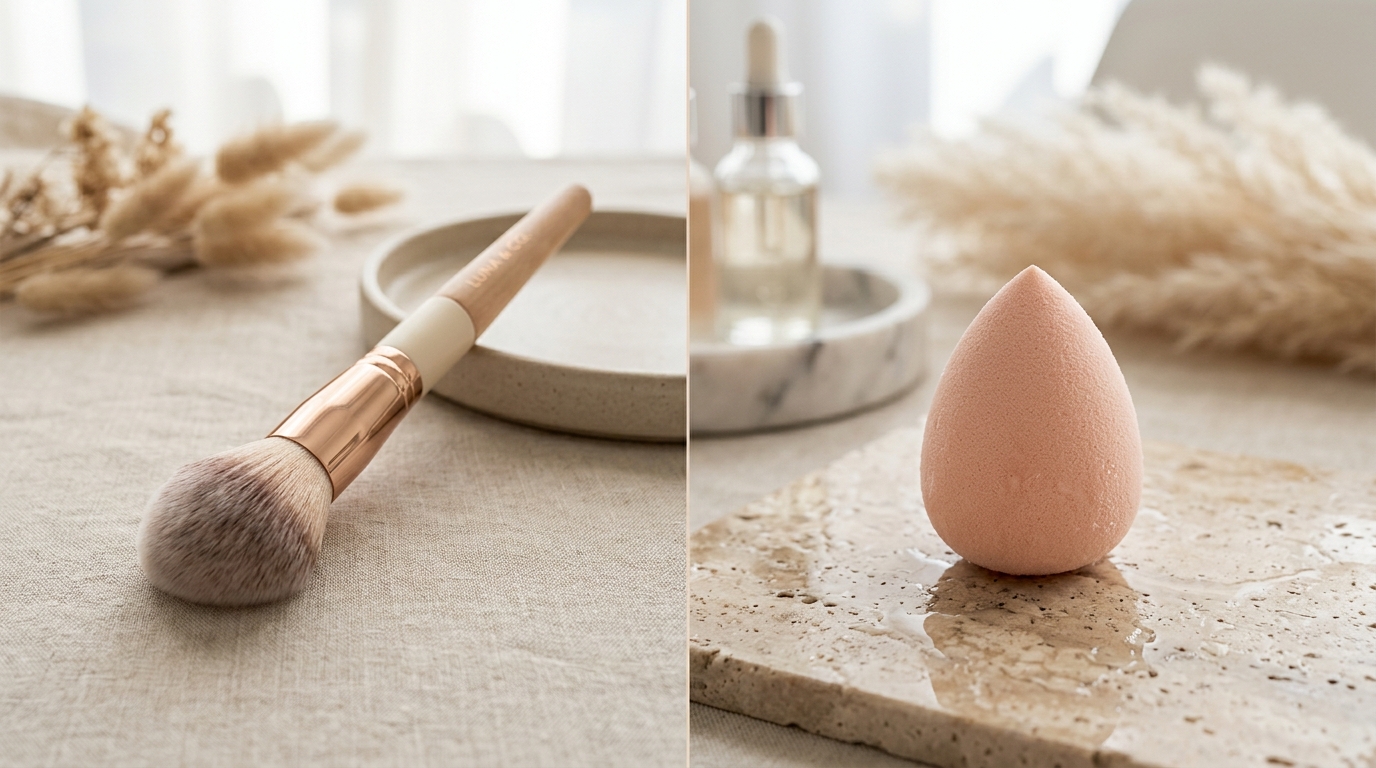
- Use a damp sponge. Soak a makeup sponge, squeeze it out, then press foundation into the skin using gentle bouncing motions. Do not sweep or drag over blemishes.
- Apply in thin layers. Start with a pea-sized amount for the entire face. Build only where needed — typically the cheeks and chin for acne-prone skin.
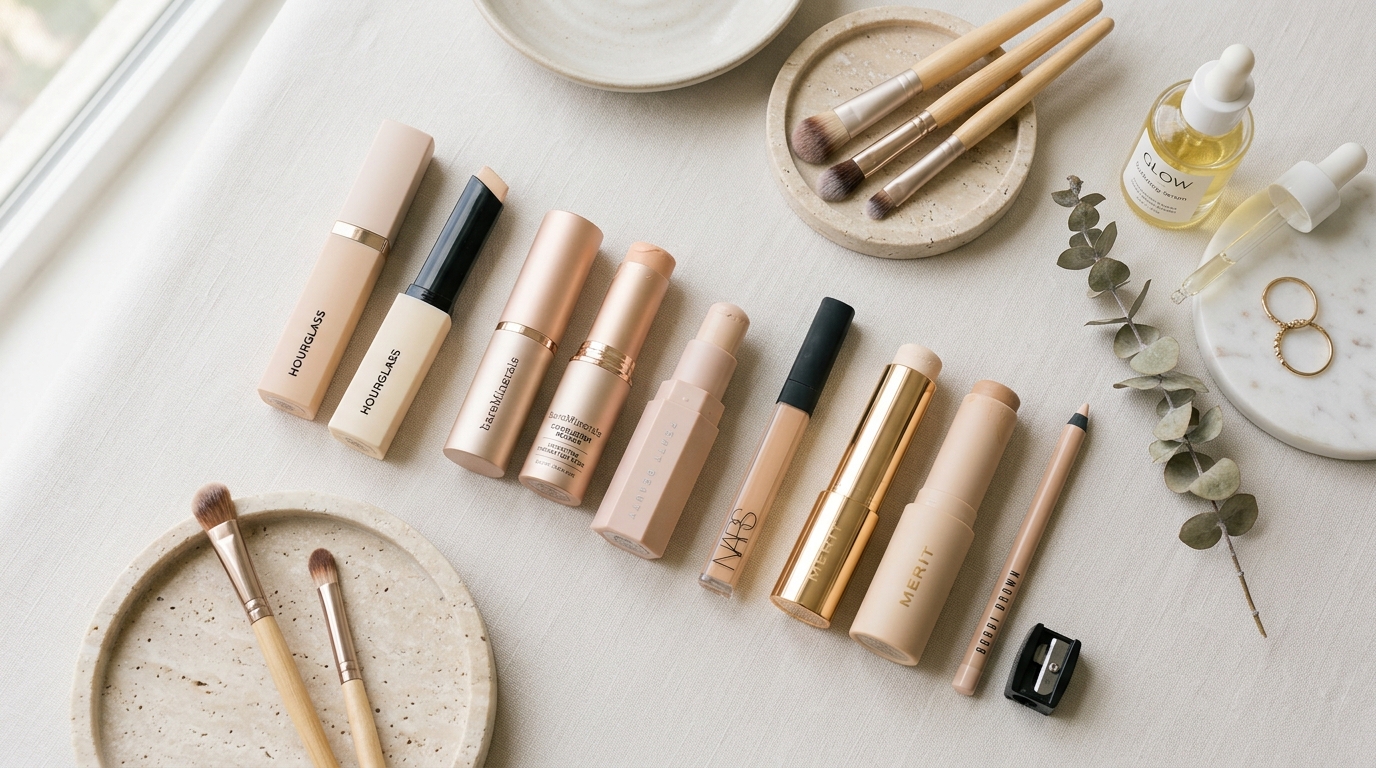
- Use a small brush for spot coverage. For individual blemishes or scars, use a small concealer brush to press a tiny amount of foundation directly onto the spot. Do not rub.
- Skip powder on dry or textured patches. Powder can emphasise dryness and texture. Set only the T-zone with a small amount of finely milled powder if needed.
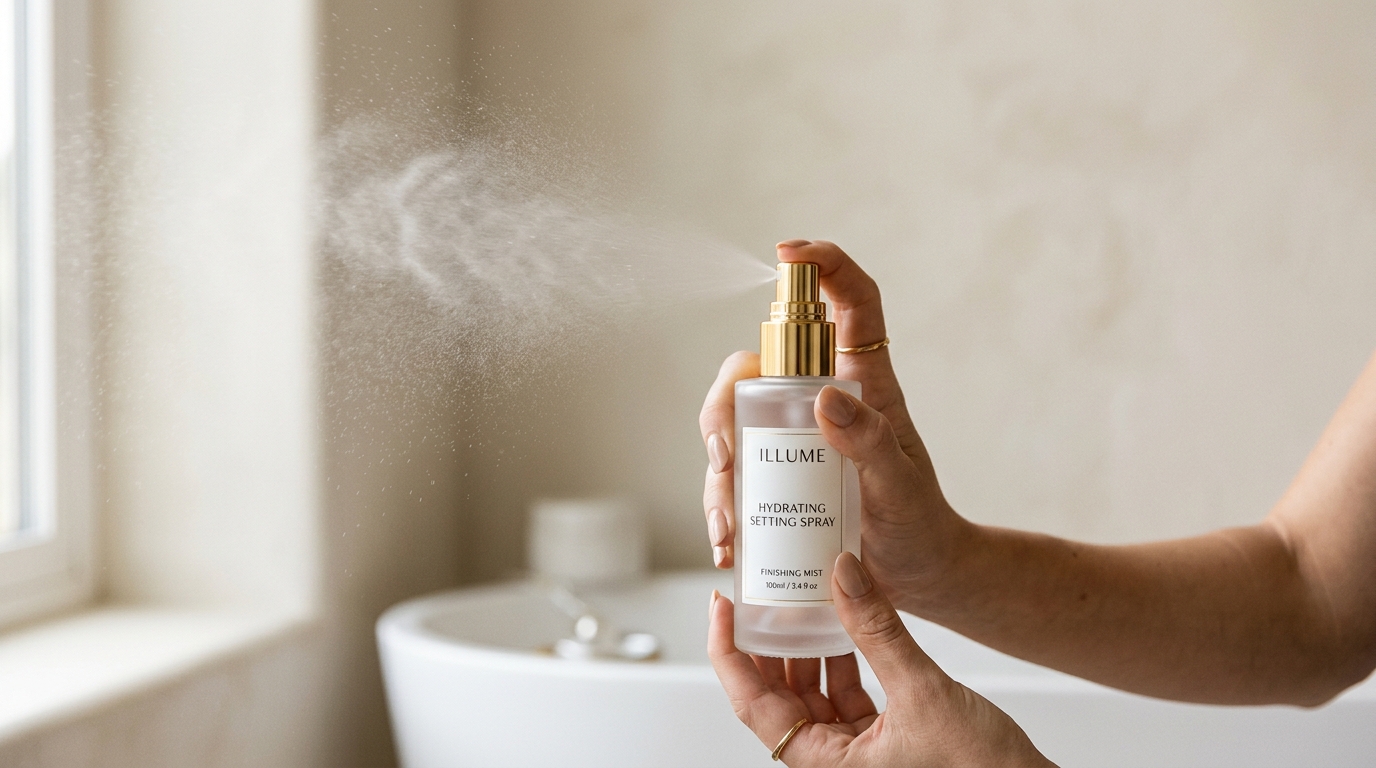
- Set with a hydrating spray. A hydrating setting spray helps the foundation melt into the skin without adding powder.
- Remove thoroughly every night. Double cleanse — first with an oil-based cleanser to break down makeup, then with a water-based cleanser. This is the most important cosmetic step for keeping skin comfortable under daily foundation.
Frequently Asked Questions
What is the best foundation for acne-prone skin?
Based on our six-week cosmetic testing, Giorgio Armani Luminous Silk is our top pick for acne-prone skin. It is non-comedogenic and water-based, with buildable medium coverage that covers the look of blemishes without the thick, mattifying texture of many blemish-marketed foundations.
What is a non-comedogenic foundation?
Non-comedogenic is a cosmetic claim indicating a product is formulated to reduce the risk of clogging pores. It does not mean the product is guaranteed not to cause breakouts, since individual skin reactions vary. Non-comedogenic foundations typically avoid heavy oils, thick waxes, and known pore-clogging ingredients.
What ingredients should I avoid in foundation for acne-prone skin?
For cosmetic purposes, avoid formulas with heavy oils (mineral oil, coconut oil), thick waxes, and denatured alcohol in the first five ingredients. These can feel occlusive or drying on acne-prone skin. Non-comedogenic labels indicate the formula is designed to reduce pore-clogging risk.
Does foundation cause acne?
Foundation does not necessarily cause breakouts, but some formulas may contribute to clogged pores in acne-prone skin. Choosing non-comedogenic, oil-free, water-based formulas and removing makeup thoroughly every night reduces this risk. If you have persistent acne, consult a qualified healthcare professional.
Is water-based foundation better for acne-prone skin?
Water-based foundations tend to feel lighter and less occlusive than silicone-based or heavy oil-based formulas. For many people with acne-prone skin, water-based foundations are a good cosmetic choice because they feel breathable and layer well over lightweight skincare.
Do salicylic acid foundations actually work?
Salicylic acid is an ingredient commonly used in skincare products for acne-prone skin. Some foundations include it at low concentrations (typically 0.5%) as a cosmetic ingredient. These foundations cover blemishes while offering the ingredient topically. They are not a replacement for a skincare routine — cosmetic guidance only.
What is the best foundation for acne scars?
For the look of acne scars, buildable medium-to-full coverage works best. Dermablend Flawless Creator Foundation Drops and e.l.f. Soft Glam Satin Foundation both offer buildable coverage that helps even out the appearance of texture without feeling heavy.
Should I use matte or dewy foundation for acne-prone skin?
Matte foundations can help control shine, which many people with acne-prone skin prefer. However, very matte formulas can emphasise dryness and texture. A natural matte or soft satin finish is often the best cosmetic balance — it controls shine without looking flat or drying.
How do I apply foundation over blemishes without making them look worse?
Prep with a lightweight moisturiser, apply foundation in thin layers with a damp sponge, and press — do not sweep — over blemishes. Use a small concealer brush for extra coverage on individual spots. Avoid powder on dry or textured areas, and set with a hydrating spray.
What is the best drugstore foundation for acne-prone skin?
Maybelline Fit Me Matte + Poreless is our top drugstore cosmetic pick for acne-prone skin. It is non-comedogenic, water-based, offers buildable medium-to-full coverage, and is available in 40 shades at around $10.
Is it okay to wear foundation every day if I have acne-prone skin?
For cosmetic purposes, yes — as long as you use a non-comedogenic formula, apply in thin layers, and remove it thoroughly every night. Double cleansing with an oil-based cleanser followed by a water-based cleanser helps ensure all makeup is removed. If you have persistent acne, consult a qualified professional.
How do I know if my foundation is clogging my pores?
Cosmetically speaking, if you notice more congestion in areas where you apply foundation compared to areas where you do not, the formula may not be right for your skin. Switching to a non-comedogenic, water-based formula and removing makeup thoroughly at night are the most common cosmetic adjustments. For persistent concerns, consult a qualified professional.
Can I use a primer for acne-prone skin?
Not necessarily. If your moisturiser already creates a good base, you may not need a primer. If you do use one, choose a hydrating primer rather than a pore-filling or mattifying primer, which can emphasise dryness and texture.
What is the difference between water-based and silicone-based foundation?
Water-based foundations use water as the main ingredient and feel lighter and more breathable. Silicone-based foundations use dimethicone or similar ingredients and tend to feel smoother and more blurring. For acne-prone skin, water-based formulas are often preferred because they feel less occlusive — but non-comedogenic silicone-based options also exist.
The Bottom Line
Finding the right foundation for acne-prone skin is not about finding the most expensive product — it is about finding the right cosmetic formula. Non-comedogenic, oil-free, water-based coverage is the goal, and there are excellent options at every price point.
If you want the best overall: Giorgio Armani Luminous Silk ($69) is our top cosmetic pick. Non-comedogenic, water-based, buildable medium coverage.
If you want a salicylic acid formula: Clinique Acne Solutions ($37.50) contains 0.5% salicylic acid in an oil-free, water-based formula.
If you want the best drugstore option: Maybelline Fit Me Matte + Poreless (~$10) offers excellent coverage and a non-comedogenic, water-based formula at a fraction of the price.
If you want coverage for acne scars: Dermablend Flawless Creator ($40) builds from sheer to full coverage without feeling heavy.
If you want full coverage on a budget: e.l.f. Soft Glam Satin (~$8) and Catrice HD Liquid Coverage (~$10) both deliver impressive coverage at a low price.
Whatever you choose, remember that application and nightly removal matter as much as the formula. Thin layers, a damp sponge, matching bases, and thorough double cleansing every night make the biggest difference in how comfortable your skin feels under daily foundation.
If you have persistent acne or a diagnosed skin condition, cosmetic products — no matter how well-formulated — are not a substitute for consulting a qualified healthcare professional.
References & Sources
- Spate Trends — "Non-comedogenic" search volume and growth data (2024).
- ResearchIntelo — Non-comedogenic foundation market size and CAGR forecast (2024–2033).
- Sephora via Trendier AI — Base makeup category trends (Jan 2026).
- HuffPost — Editor-tested foundations suitable for acne-prone skin.
- Vogue — Armani Luminous Silk 2026 reformulation details.
- Acne Club — Best foundations for acne-prone skin, including Clinique Acne Solutions and Dermablend Flawless Creator.
- Grazia Daily — HAUS Labs Triclone foundation review.
- Aggregated user reviews from Sephora, Ulta, and Reddit (r/MakeupAddiction, r/SkincareAddiction, r/Acne).
Was this article helpful?

Anam Ahsan
Skincare Enthusiast & BloggerHi, I'm Anam! I'm a beauty and skincare enthusiast who loves testing new products and sharing honest, personal reviews. I document my skincare journey and share what works for my skin so you can make better choices for your routine.
Comments (24)
Hannah W.
2 days agoThis guide saved me so much money — went with the budget pick and honestly can't tell the difference from serums twice the price!
Anam Ahsan Author
1 day agoSo glad it worked out for you, Hannah! That's exactly the kind of result we hoped readers would see.