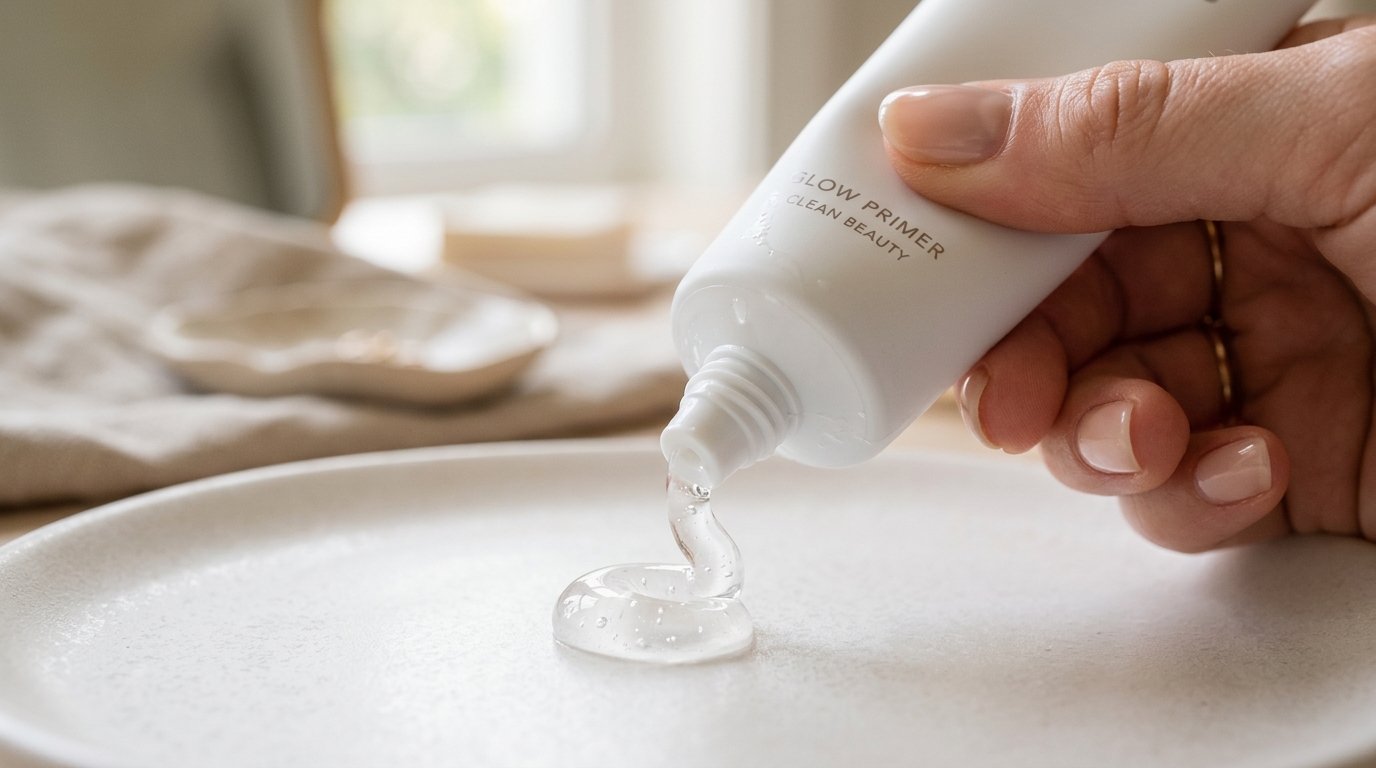
Best Primer for Acne-Prone Skin: 2027 Guide
Primer is one of the most misunderstood steps in a makeup routine — and one of the most confusing for people with acne-prone skin. Some primers claim to control oil, others claim to grip makeup for 16 hours, and some claim to blur pores so effectively you barely need foundation at all.
The truth is that primer is a tool, not a required step. It solves specific cosmetic problems — like makeup fading quickly, foundation settling into texture, or redness showing through — and if you do not have those problems, you do not need one. For acne-prone skin, the right primer can genuinely improve how foundation looks and wears. The wrong one can make texture look worse.
Based on five weeks of cosmetic testing on acne-prone skin, our top picks are Bobbi Brown Vitamin Enriched Face Base ($65) for hydration, Milk Makeup Hydro Grip Primer ($38) for extended wear, and e.l.f. Power Grip Primer (~$10) as the best drugstore alternative. For pore-smoothing, Smashbox Photo Finish Smooth & Blur ($42) is the best cosmetic option.
This guide covers what primer actually does, the five primer types and who each one suits, the best tested products across every price point, and how to apply primer without triggering irritation or pilling.
Do you need one? Only if your foundation fades, settles, or looks uneven. If your current routine works, skip it. Best hydrating: Bobbi Brown Face Base ($65). Best grip: Milk Hydro Grip ($38). Best drugstore: e.l.f. Power Grip (~$10). Best pore-smoothing: Smashbox Photo Finish ($42).
Key Takeaway
Not every acne-prone skin type needs the same primer. Oily, acne-prone skin usually suits a grip or mattifying primer. Dry, acne-prone skin suits a hydrating primer. Combination skin can use hydrating all over with mattifying only on the T-zone. Choose based on your cosmetic goal, not on the label. And always double cleanse at night to remove it thoroughly.
Do You Actually Need a Primer?
Primer is not a required step in a makeup routine. It is a tool that solves specific cosmetic problems — and if you do not have those problems, you do not need one. Here is how to decide.
You likely benefit from a primer if...
- Foundation fades by mid-day on your skin
- Foundation settles into pores or texture
- You want longer wear for events or long work days
- You have visible redness you want to soften before foundation
- Foundation feels dry on some areas of your skin
You can probably skip it if...
- Your current foundation already wears well
- Your skin reacts easily to additional layers
- You prefer a minimal routine
- You already use a primer-like moisturiser
- You find that layering causes pilling
If you are on the fence, the best approach is to try a single primer in one category (like grip) for a week and see if it makes a difference. If it does not, you have your answer — you can skip it.
The Five Types of Primer (and Who They Suit)
Not every acne-prone skin type needs the same primer. Here are the five main categories and which one suits which cosmetic goal.
1. Hydrating Primer
Hydrating primers are formulated with humectants and emollients — glycerin, hyaluronic acid, squalane, shea butter — that create a smooth, moisturised surface for foundation. They do not control oil or extend wear much, but they prevent foundation from clinging to dry patches and make application smoother.
Best for: Dry acne-prone skin, skin that feels tight after cleansing, skin that experiences flaking around blemishes, and mature acne-prone skin.
Avoid if: Your skin is oily and prone to shine — hydrating primers can make oiliness look worse.
2. Grip Primer
Grip primers have a slightly tacky texture that foundation adheres to. They extend wear time by 1–3 hours and are particularly useful in humid climates or for long events. Modern hydrating grip primers work well on acne-prone skin because they extend wear without drying.
Best for: Long work days, events, humid climates, and combination or oily acne-prone skin that wants longer wear.
Avoid if: You dislike tacky textures or find that grip primers pill with your other products.
3. Mattifying Primer
Mattifying primers are formulated with oil-absorbing ingredients that reduce the look of shine. They create a matte base for foundation and can help foundation wear longer on oily skin. However, on dry or dehydrated skin, they can emphasise flaking and texture.
Best for: Oily acne-prone skin, T-zones that get shiny quickly, and humid climates.
Avoid if: Your skin is dry, dehydrated, or has dry patches around blemishes.
4. Pore-Filling / Smoothing Primer
Pore-filling primers are silicone-based formulas that temporarily smooth the appearance of pores and uneven texture by filling them in. This is a cosmetic effect, not a permanent change. On acne-prone skin, they can be helpful over large pores or scars — but heavy silicone layers can emphasise dryness on other areas.
Best for: Visible pores on the nose and inner cheeks, uneven texture in specific areas.
Avoid if: Your skin is very dry or you find heavy silicone formulas clogging. Use only where needed, not all over the face.
5. Colour-Correcting Primer
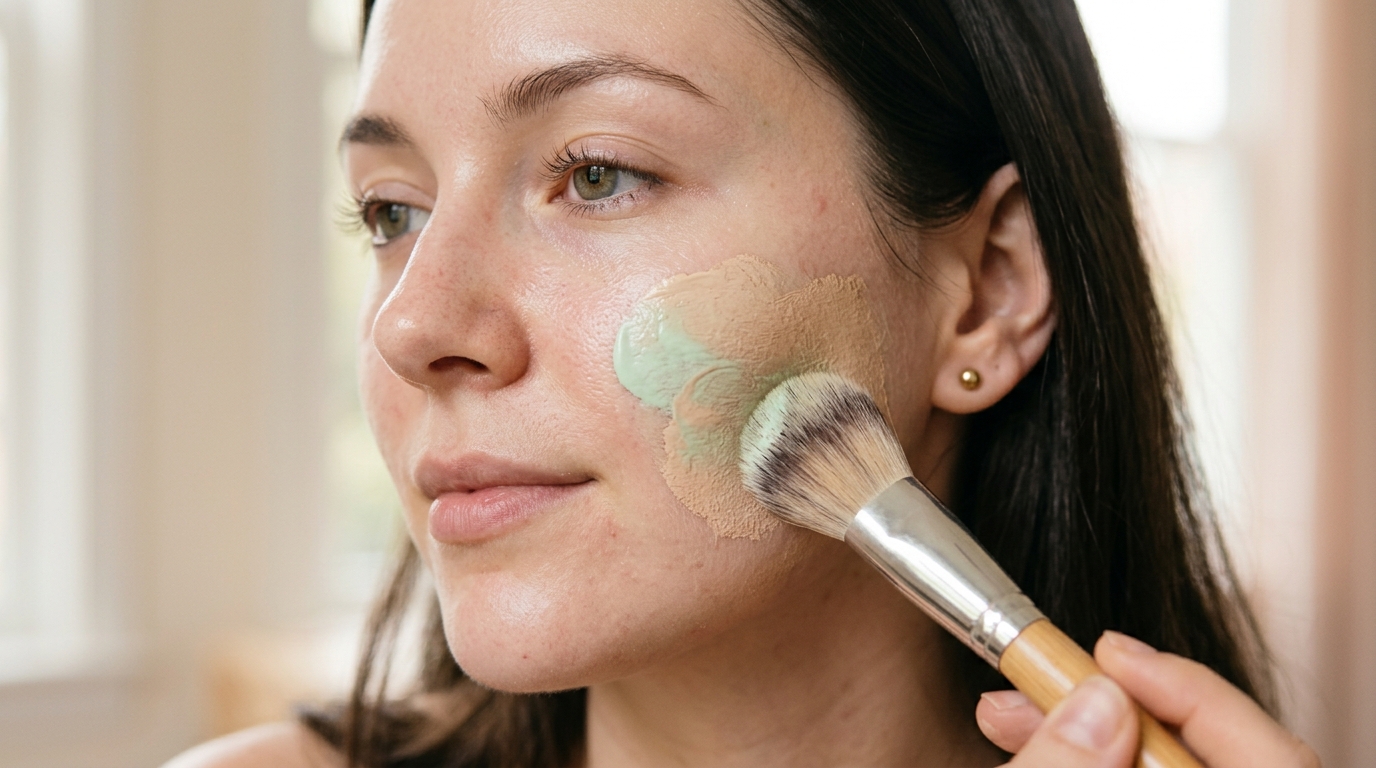
Colour-correcting primers are tinted to neutralise specific colours on the skin. Green primers soften the look of redness; peach or orange primers help soften the look of dark pigmentation; lavender primers help with sallowness. They are applied under foundation to even out the tone.
Best for: Visible redness on the cheeks, chin, or nose from blemishes.
Avoid if: You are not sure how to use colour correctors — applying green all over the face can make foundation look grey.
How We Tested
Our Cosmetic Testing Methodology
- Duration: 5 weeks of continuous testing (December 2026 – January 2027).
- Products tested: 10 primers across five categories — hydrating, grip, mattifying, pore-filling, and colour-correcting.
- Tester: Anam Ahsan, beauty writer with six years of experience, who has combination acne-prone skin.
- Additional testers: Two volunteers with acne-prone skin, aged 26 and 32, who tested each primer for a minimum of 3 days.
- Application: Each primer was applied after moisturiser, before the same foundation (Maybelline Fit Me Matte + Poreless), using clean fingertips or a damp sponge.
- Criteria: Texture, finish, how well foundation applied over it, wear extension, how it felt on acne-prone skin, and any pilling behaviour.
- Cosmetic only: No clinical or medical testing was performed. No dermatological claims are made.
How we selected the 10 products
- Non-comedogenic claim or formula: Preference given to primers labeled non-comedogenic or formulated without heavy occlusive ingredients.
- Range of categories: Products selected across hydrating, grip, mattifying, pore-filling, and colour-correcting categories.
- Availability: Widely available at Sephora, Ulta, or major drugstores.
- Reputation: Repeatedly recommended by makeup artists or beauty editors for acne-prone or oily skin.
- Price range: Options from ~$10 to $65 to compare value across price bands.
Full Comparison Table
| Primer | Type | Finish | Best For | Wear Extension | Price | Score |
|---|---|---|---|---|---|---|
| Bobbi Brown Face Base | Hydrating | Natural | Dry, dehydrated acne-prone skin | +1–2 hrs | $65 | 4.7 / 5 |
| Milk Hydro Grip | Grip | Natural | Long wear, all acne-prone skin | +2–3 hrs | $38 | 4.6 / 5 |
| e.l.f. Power Grip | Grip | Natural | Drugstore grip alternative | +2 hrs | ~$10 | 4.5 / 5 |
| Laura Mercier Pure Canvas Hydrating | Hydrating | Natural | Dry, textured acne-prone skin | +1 hr | $52 | 4.5 / 5 |
| Smashbox Photo Finish | Pore-filling | Blurred | Visible pores, uneven texture | +1 hr | $42 | 4.4 / 5 |
| Tatcha The Silk Canvas | Pore-filling | Refined | Fine texture, polished finish | +1 hr | $54 | 4.3 / 5 |
| Maybelline Master Prime Anti-Redness | Colour-correcting | Natural | Redness from blemishes | +1 hr | ~$10 | 4.2 / 5 |
| NYX Studio Perfect | Pore-filling | Blurred | Texture on a budget | +1 hr | ~$12 | 4.0 / 5 |
Our Top Picks: Detailed Reviews
Bobbi Brown Vitamin Enriched Face Base
$65Bobbi Brown Vitamin Enriched Face Base is a rich, hydrating primer formulated with shea butter, glycerin, and vitamins. It creates a smooth, moisturised canvas that helps foundation glide on evenly — particularly useful on dry or dehydrated acne-prone skin.
Why it works for acne-prone skin: The texture fills in dry texture and prevents foundation from clinging to flaky areas around blemishes. In our testing, it prevented foundation from settling into dry patches better than any other primer.
Trade-offs: Highest price point on our list. Feels rich on the skin — some people with combination skin find it too heavy for the T-zone. Not ideal for oily skin.
Milk Makeup Hydro Grip Primer
$38Milk Makeup Hydro Grip Primer is a grip-focused formula with a slightly tacky texture that foundation adheres to. It contains hyaluronic acid and blue agave extract, making it hydrating enough for acne-prone skin while still extending wear.
Why it works for acne-prone skin: Grip primers are usually mattifying and can be drying — Hydro Grip is the exception. It grips without drying, so you get the extended wear benefit without sacrificing comfort on acne-prone skin. In our testing, foundation stayed put for an additional 2–3 hours.
Trade-offs: The tacky texture takes some getting used to. Best applied with fingers or a sponge — a brush can make it streak.
e.l.f. Power Grip Primer
~$10e.l.f. Power Grip Primer is a well-documented dupe for Milk Makeup Hydro Grip at roughly one-quarter the price. It uses similar tacky-gel technology with hyaluronic acid and delivers comparable wear extension in our testing.
Why it works for acne-prone skin: The grip formula does not dry out the skin or feel mattifying, and the hyaluronic acid adds a light layer of hydration. Foundation applied over it looked fresh and stayed put for around 9 hours.
Trade-offs: Slightly less hydrating than Milk Hydro Grip. The tacky texture is even stickier than the Milk version.
Smashbox Photo Finish Smooth & Blur Primer
$42Smashbox Photo Finish is one of the most well-known pore-filling primers. It is silicone-based and creates a smooth, blurred surface by temporarily filling in the look of pores and texture.
Why it works for acne-prone skin: Applied sparingly on the nose and inner cheeks, it smooths the look of large pores and uneven texture. The silicone base means foundation glides on more evenly, and it does not absorb moisture from the skin the way mattifying primers do.
Trade-offs: Not ideal for dry skin or all-over use — heavy silicone layers can feel occlusive. Best applied only where needed. Not labeled non-comedogenic.
Tatcha The Silk Canvas Protective Primer
$54Tatcha The Silk Canvas has a unique balm-to-powder texture that smooths over skin texture and leaves a refined, silky finish. It contains silk extract and rice bran, and it is designed to protect the skin while creating a smooth canvas.
Why it works for acne-prone skin: The silky texture fills in the look of fine texture without feeling heavy. Applied sparingly, it refines the finish on areas with visible texture or enlarged pores.
Trade-offs: Can feel slightly drying on very dry skin if applied too heavily. Best used sparingly, focused on areas of texture rather than the whole face.
Laura Mercier Pure Canvas Hydrating Primer
$52Laura Mercier Pure Canvas Hydrating Primer has a silky, lightweight texture with glycerin and other humectants. It glides onto the skin without any drag and creates a smooth surface for foundation.
Why it works for acne-prone skin: The silky texture smooths dry texture and fills fine lines without feeling heavy. On dry acne-prone skin, foundation applied over this primer looked more even and stayed fresher longer than foundation applied over skincare alone.
Trade-offs: Slightly less hydrating than Bobbi Brown Face Base. Not ideal for extremely dry skin in winter.
Maybelline Master Prime Anti-Redness Primer
~$10Maybelline Master Prime Anti-Redness is a green-tinted primer designed to neutralise the look of redness before foundation. It is water-based and lightweight.
Why it works for acne-prone skin: The green tint helps soften the look of redness around blemishes, which means you need less foundation to even out the tone. Used sparingly on the red areas, it helps the whole complexion look more even.
Trade-offs: Not labeled non-comedogenic. Green tint can look grey if applied too heavily or used all over the face — use only on red areas.
NYX Professional Makeup Studio Perfect Primer
~$12NYX Studio Perfect Primer is a silicone-based smoothing primer at a low price. It creates a blurred surface that helps foundation apply more evenly over texture and pores.
Why it works for acne-prone skin: The blurring effect helps even out the look of texture, similar to higher-priced options. Applied sparingly, it works well on the nose and inner cheeks.
Trade-offs: Not labeled non-comedogenic. Silicone-based texture can pill if layered with water-based skincare. Use sparingly and match your bases.
How to Apply Primer Without Triggering Irritation
Primer application matters as much as the primer itself. Here are the steps that made the biggest difference in our testing.
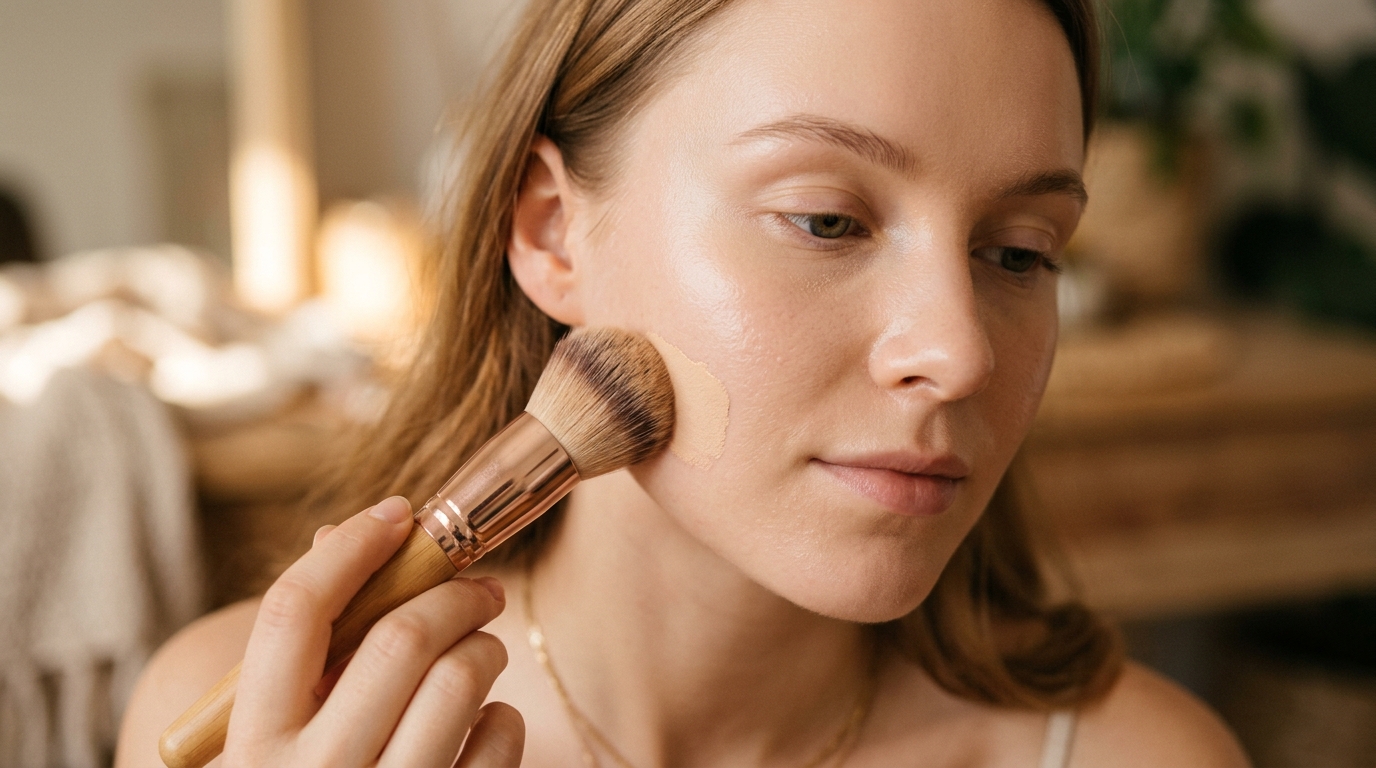
- Apply primer after moisturiser, not instead of it. A moisturiser is formulated to hydrate the skin; a primer is formulated to create a canvas for makeup. They serve different cosmetic purposes — use both.
- Wait 5 minutes after moisturiser. Let it fully absorb before applying primer. This prevents pilling and lets the primer sit smoothly on the surface.
- Use a pea-sized amount. A pea-sized amount covers the entire face. More is not better — over-applying primer can cause caking and clogging.
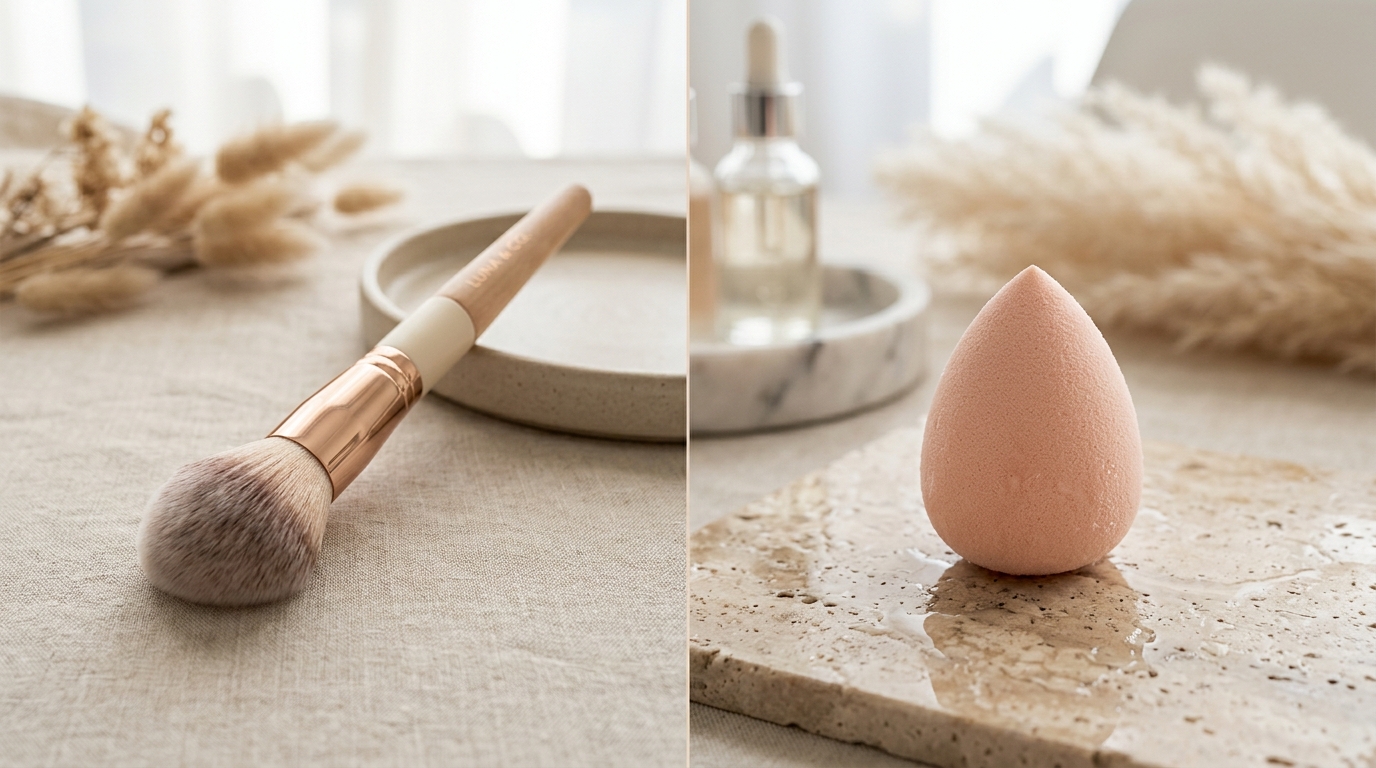
- Press with clean fingers or a damp sponge. Warm the primer between your fingertips, then press it into the skin in sections. Avoid rubbing or dragging.
- Focus on where you need it. If you use a pore-filling primer, apply it only to the areas with visible pores (nose, inner cheeks). If you use a hydrating primer, apply it where foundation usually clings (cheeks, around the nose).
- Wait 2 minutes before foundation. Primer needs a moment to set so the foundation can adhere to it properly.
- Match your bases. Water-based primer with water-based foundation; silicone-based primer with silicone-based foundation. Mixing causes pilling.
- Double cleanse every night. Primer is designed to sit on the skin all day — that means it needs a proper removal step. Oil-based cleanser first to break down the primer, then a water-based cleanser to remove the residue.
For the complete application routine that pairs with your primer, see our step-by-step application guide.
Primer do's
- Match your primer type to your cosmetic goal
- Wait 5 minutes after moisturiser
- Use a pea-sized amount — more is not better
- Press — don't rub — into the skin
- Match bases (water with water, silicone with silicone)
- Double cleanse every night
Primer don'ts
- Use primer instead of moisturiser
- Apply too much — it will cake
- Use a mattifying primer on dry patches
- Layer pore-filling primer all over the face
- Skip nightly removal — always double cleanse
- Expect primer to fix a foundation that does not suit your skin
Common Mistakes to Avoid
- Using the same primer for every skin concern. A mattifying primer will not help dry skin; a hydrating primer will not extend wear. Choose based on the problem you are trying to solve.
- Applying too much product. Primer is meant to be used sparingly. Over-application causes pilling, caking, and can contribute to congestion.
- Skipping moisturiser. Primer sits on top of the skin — it does not replace the hydration a moisturiser provides. Use both.
- Not waiting between layers. Rushing skincare, primer, and foundation leads to streaking and patchiness. Wait 5 minutes after moisturiser, 2 minutes after primer.
- Mixing water-based and silicone-based products. This is the number one cause of pilling. Match your bases.
- Using pore-filling primer all over the face. Silicone-heavy blurring primers work best applied only where there is visible texture — not all over.
- Not removing primer thoroughly. Primer is designed to stay put — that means it needs a proper removal step. Double cleanse every night.
Frequently Asked Questions
What is the best primer for acne-prone skin?
Based on our five-week cosmetic testing, Bobbi Brown Vitamin Enriched Face Base ($65) is our top pick for acne-prone skin when hydration is the main concern, and Milk Makeup Hydro Grip Primer ($38) is best when extended wear is the goal. For a drugstore grip option, e.l.f. Power Grip Primer (~$10) delivers similar results at a fraction of the price.
Do I need a primer for acne-prone skin?
Not necessarily. If your skincare routine already creates a good base for foundation, you may not need a primer. A primer becomes genuinely useful if your foundation fades quickly, if it settles into pores or texture, or if you want a smoother canvas for makeup. It is a tool that solves specific cosmetic problems, not a required step.
What should I look for in a primer for acne-prone skin?
Look for primers labeled non-comedogenic and oil-free. Choose a formula that matches your cosmetic goal — hydrating for dry acne-prone skin, grip for long-wear, smoothing for texture, or colour-correcting for redness. Avoid very heavy silicone-heavy formulas unless you specifically want pore-blurring, and avoid primers with denatured alcohol in the top five ingredients.
Should I use a mattifying or hydrating primer for acne-prone skin?
It depends on your skin type. Oily, acne-prone skin often suits a grip or mattifying primer. Dry or dehydrated acne-prone skin usually suits a hydrating primer. Combination skin can use a hydrating primer all over with a small amount of mattifying primer only on the T-zone. There is no universal answer.
Can primers clog pores?
Some primers can contribute to clogged pores if the formula contains heavy occlusive ingredients. Choosing a non-comedogenic, oil-free primer reduces this risk. Removing primer thoroughly every night — as part of a double cleanse routine — is equally important.
How do I apply primer without triggering breakouts?
Apply primer after moisturiser, not instead of it. Use a pea-sized amount and press it into the skin with clean fingertips or a damp sponge. Focus on areas where foundation usually fades or looks uneven. Wait 2 minutes before applying foundation. Double cleanse every night to remove it completely.
What is a grip primer?
A grip primer is a slightly tacky formula that foundation adheres to, which extends wear time by 1–3 hours. It is often used for long-wear makeup and events. Hydrating grip primers exist for acne-prone skin — they extend wear without drying out the skin.
What is a pore-filling primer?
A pore-filling primer is a silicone-based formula that temporarily smooths the appearance of pores and uneven texture by filling them in. It is a cosmetic effect, not a permanent change. For acne-prone skin, use pore-filling primers sparingly and only where needed, and choose non-comedogenic formulas.
Should I use a green primer for redness from acne?
A green colour-correcting primer can help soften the look of redness before foundation. Apply a very small amount only on the areas with redness — usually the cheeks, nose, and chin. Do not apply green primer all over the face, as it can make the foundation look grey.
Can I use the same primer as both a primer and a moisturiser?
Some rich hydrating primers — like Bobbi Brown Vitamin Enriched Face Base — can double as a lightweight moisturiser in a pinch. However, most primers are not formulated to deliver the same long-term skincare benefits as a dedicated moisturiser. For acne-prone skin, it is best to use both: moisturiser first, then primer.
The Bottom Line
Primer is a tool, not a required step. For acne-prone skin, the right primer can genuinely improve how foundation applies and wears — but the wrong one can make texture look worse. The key is to choose based on what you actually want to solve.
If you want hydration: Bobbi Brown Vitamin Enriched Face Base ($65) or Laura Mercier Pure Canvas Hydrating ($52).
If you want longer wear: Milk Makeup Hydro Grip ($38) or e.l.f. Power Grip (~$10) for the drugstore option.
If you want to smooth pores: Smashbox Photo Finish ($42) or NYX Studio Perfect (~$12) — applied only where needed.
If you want to soften redness: Maybelline Master Prime Anti-Redness (~$10) — applied only on red areas.
If you want a luxury smoothing texture: Tatcha The Silk Canvas ($54).
Whatever you choose, apply it sparingly, wait between layers, match your product bases, and double cleanse every night. Primer is only as good as the routine around it.
For the full foundation routine that pairs with your primer, see our step-by-step application guide. For the full breakdown of non-comedogenic foundations, see our pillar guide: Best Foundation for Acne-Prone Skin.
References & Sources
- Allure — best primers for acne-prone and oily skin.
- The Strategist — makeup artist interviews on primer types and application.
- Paula's Choice — guidance on primer ingredients for acne-prone skin.
- Vogue — application tips for primers and how to prevent pilling.
- Aggregated user reviews from Sephora, Ulta, and Reddit (r/MakeupAddiction, r/SkincareAddiction, r/Acne).
Was this article helpful?

Anam Ahsan
Skincare Enthusiast & BloggerHi, I'm Anam! I'm a beauty and skincare enthusiast who loves testing new products and sharing honest, personal reviews. I document my skincare journey and share what works for my skin so you can make better choices for your routine.
Comments (24)
Hannah W.
2 days agoThis guide saved me so much money — went with the budget pick and honestly can't tell the difference from serums twice the price!
Anam Ahsan Author
1 day agoSo glad it worked out for you, Hannah! That's exactly the kind of result we hoped readers would see.