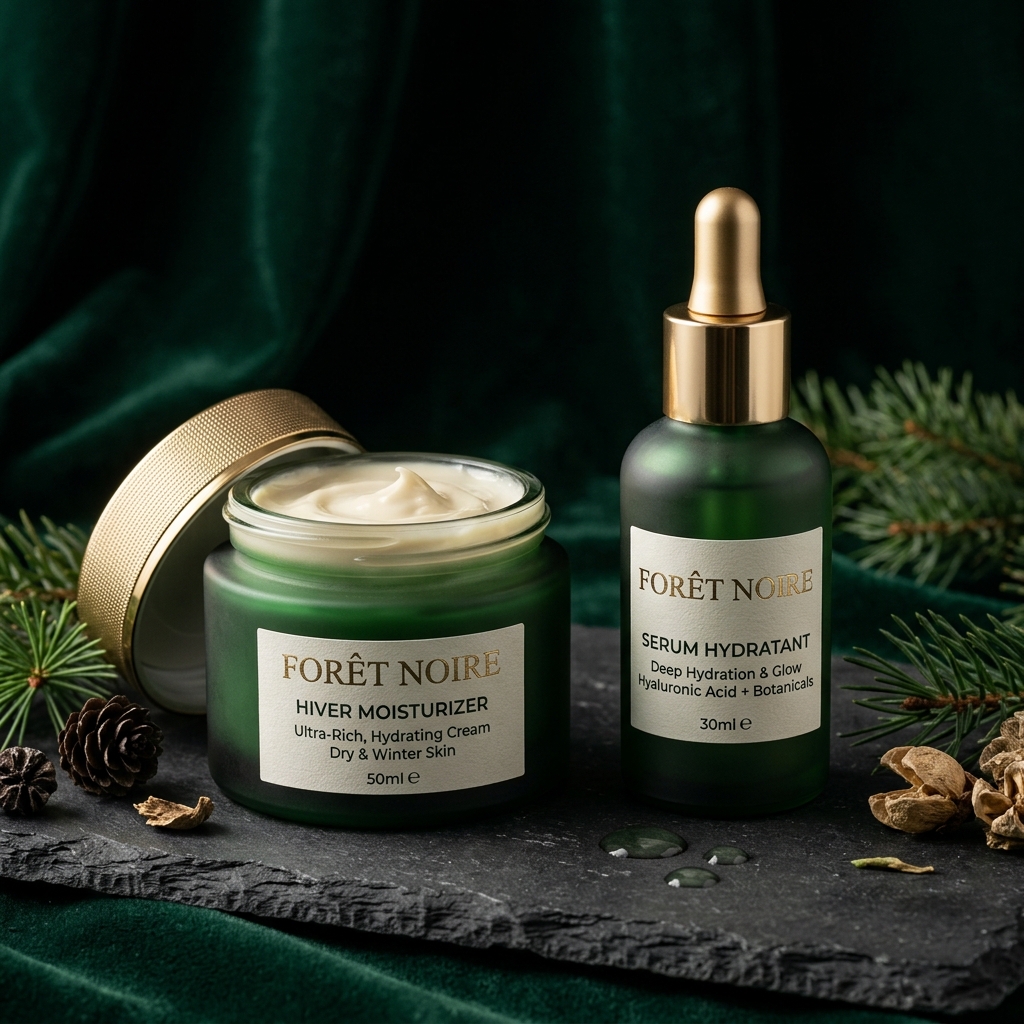
Skin behaves differently in winter, and the routine that worked comfortably in summer frequently stops working somewhere in the first cold weeks. Tightness after cleansing, flaking that was not there before, products that suddenly sting, and lips that will not stay comfortable regardless of what you apply.
This is not your skin failing. It is a genuine environmental change requiring a genuine adjustment.
The good news is that the changes needed are relatively small and mostly involve swapping rather than adding. This guide covers what actually changes, what to adjust, and — equally important — what to reduce, since several winter skin problems are caused by doing too much rather than too little.
Key Takeaway
Winter skin problems are often caused by doing too much rather than too little. When humidity drops and heating is turned up, the fundamental rule is to increase occlusion (moisture trapping) while decreasing exfoliation and harsh cleansing.
What Actually Changes in Winter
Four factors combine, and understanding them makes the adjustments obvious.
Ambient humidity drops
Cold air holds considerably less moisture than warm air. As outdoor humidity falls, the gradient between your skin and the surrounding air steepens, and water leaves your skin faster.
Transepidermal water loss increases, and skin becomes dehydrated even if your routine has not changed at all.
Indoor heating makes it worse
Central heating, radiators, and forced-air systems dramatically reduce indoor humidity — frequently to levels lower than outdoors.
This is often the larger factor. You spend most of your time indoors, and heated indoor air can be extremely dry.
Hot showers become more appealing
Hot water strips barrier lipids. In cold weather, showers get longer and hotter, and the effect compounds daily.
This is one of the most common and most fixable causes of winter dryness.
Wind and temperature swings
Cold wind mechanically disrupts the skin surface. Moving repeatedly between cold outdoors and heated indoors creates rapid temperature and humidity changes that skin handles poorly.
The combined result: a compromised barrier, increased water loss, and skin that reacts to products it previously tolerated.
What to Swap
The core principle: richer textures, gentler cleansing, and more occlusion. The steps stay the same; the products within them change.
Cleanser
Swap to: a cream, milk, or oil-based cleanser. Non-foaming or low-foaming.
Away from: gel and foaming cleansers with strong surfactants, which strip more aggressively.
Also change: water temperature. Lukewarm, not hot. This single change resolves a surprising amount of winter dryness.
Consider: a water rinse in the morning rather than a full cleanse, particularly if your skin is dry.
Moisturizer
Swap to: a richer cream containing ceramides, cholesterol, fatty acids, or shea butter.
Away from: lightweight gels and gel-creams that suited summer.
Apply to damp skin, within a few minutes of cleansing. This traps some of the water still on the surface and makes a measurable difference.
Consider using more than you did in summer. Skin genuinely needs more when water loss is elevated.
Add an occlusive layer
This is the most impactful winter addition.
Options: petrolatum, a dimethicone-based cream, mineral oil, or a barrier balm applied as a final evening step.
Where: the whole face if your skin is dry, or targeted to dry areas — around the nose, cheeks, and any patches — if you are prone to congestion.
Frequency: two to three times weekly, or nightly for very dry skin.
This is where slugging genuinely earns its place, if your skin type suits it.
Hydrating layer
Apply humectants to damp skin, always, but particularly in winter.
A caution about hyaluronic acid specifically: in very dry conditions, applied to dry skin without sealing, it can draw moisture from deeper skin layers and allow it to evaporate. Damp skin and a sealing moisturizer are not optional in winter.
Glycerin is more reliable in low humidity than hyaluronic acid alone, and considerably cheaper. Worth considering if hyaluronic acid has stopped working for you.
What to Reduce
This half matters as much as the swaps, and it is more often overlooked.
Exfoliation
Reduce frequency, typically by half. If you exfoliated three times weekly in summer, one to two times is more appropriate in winter.
Consider gentler acids. Mandelic acid or a polyhydroxy acid rather than glycolic.
Why: the barrier is already under strain. Adding exfoliation to compromised skin produces the flaking people then try to exfoliate away — a cycle that gets worse rather than better.
A useful signal: if flaking has appeared, that is usually a sign to reduce exfoliation, not increase it.
Retinoid frequency
Consider reducing by a night or two per week if you notice increased dryness or irritation.
Use the buffer method — moisturizer, retinoid, moisturizer — if you were applying it directly.
Do not stop entirely unless irritation is significant. Consistency matters, and resuming from zero each spring wastes progress.
Strong actives generally
Vitamin C at low pH can sting more on a compromised barrier. If it has started to sting, reduce frequency or switch to a derivative form.
Benzoyl peroxide and salicylic acid are drying. Reduce frequency if dryness has become a problem.
The principle: actives work best on a functioning barrier. Protecting the barrier through winter serves your results better than pushing through irritation.
Hot water
Shower temperature and duration are both worth reducing. This is free and produces a noticeable difference within a week.
Fragrance
Compromised skin reacts more readily. If you have fragranced products that were fine in summer, they may become a problem in winter.
What to do
- Switch to a richer moisturizer: Look for ceramides, urea, and thicker cream formulas.
- Use a humidifier indoors: Counteract dry central heating while you sleep.
- Cleanse gently: Swap foaming cleansers for milky or hydrating non-foaming options.
What to avoid
- Taking long, hot showers: Hot water severely strips your skin's natural lipid barrier.
- Over-exfoliating: Skin is more compromised in winter; reduce chemical exfoliants.
- Stopping sunscreen: UV radiation still damages your skin even when it's freezing outside.
Sunscreen Still Matters
This is the step most commonly dropped in winter, and dropping it is a mistake.
UVA is relatively constant year-round. It penetrates cloud cover and glass, and it is the wavelength primarily responsible for photoageing and pigmentation.
Snow reflects UV substantially — a significant consideration for anyone spending time outdoors in snowy conditions, and a common cause of unexpected winter sunburn.
Altitude increases UV exposure, which matters for winter sports.
Indoor heating does not filter UV coming through windows.
A practical winter adjustment: switch to a more moisturizing sunscreen formulation. Many people find summer’s matte, oil-controlling sunscreen uncomfortable in winter. A cream-based or hydrating SPF is a reasonable seasonal swap.
Lips, Hands, and Other Neglected Areas
Lips
Why they suffer: lips have no sebaceous glands and a very thin stratum corneum. They cannot self-moisturize and lose water rapidly.
What works: occlusive balms — petrolatum, lanolin, or beeswax-based. Applied frequently, and particularly before bed.
What makes it worse:
- Licking your lips. Saliva evaporates and takes moisture with it, and digestive enzymes irritate.
- Menthol, camphor, and phenol in some lip products. These produce a cooling sensation and are irritating, creating a cycle of reapplication.
- Flavoured balms that encourage licking.
- Exfoliating scrubs on already-damaged lips.
If lips are severely cracked at the corners, that can indicate a deeper issue, and seeking professional advice is recommended rather than applying more balm.
Do not forget SPF on lips. Lip skin is thin and lip cancers occur. A balm with SPF for daytime is worthwhile.
Hands
Frequently the driest area in winter, due to constant washing, cold exposure, and thin skin on the back of the hand.
What works: applying moisturizer after every wash, a rich cream at night, and gloves outdoors.
For severely cracked hands: an occlusive layer under cotton gloves overnight is genuinely effective.
Handwashing is not optional, so the answer is replacing what it removes rather than washing less.
Body
Shorter, cooler showers. Same principle as the face.
Moisturize within minutes of showering, on damp skin.
Consider urea-based lotions for rough areas — shins, elbows, knees. Urea both hydrates and softens thickened skin.
Fragrance-free is worth prioritizing if you develop winter itch.
Scalp
Winter flaking is not always dandruff. Dry scalp produces small white flakes with tightness. It needs gentler washing and moisture.
The Humidifier Question
This deserves specific mention because it addresses the cause rather than the symptom.
Indoor heating can reduce relative humidity substantially. A humidifier restores it toward a more comfortable range.
Where it helps most: bedrooms, since you spend hours there with the door closed. This is frequently the single most effective intervention for winter dryness.
Practical considerations:
- Clean it regularly. A neglected humidifier grows bacteria and mould, which is worse than dry air.
- Do not overdo it — excessive humidity encourages mould growth in the room.
- A basic model is sufficient; expensive features rarely matter for this purpose.
Why it is worth considering: every other intervention treats the symptom. This one reduces the water loss in the first place.
A Complete Winter Routine
Morning:
- Water rinse, or a gentle cream cleanser
- Hydrating serum on damp skin
- Rich moisturizer
- Hydrating sunscreen
Evening:
- Gentle cream or oil cleanser
- Treatment active — at reduced frequency if needed
- Hydrating serum on damp skin
- Rich moisturizer
- Occlusive layer, two to three times weekly or nightly if very dry
Weekly:
- Exfoliation once or twice, gently
- Hydrating mask if you enjoy them
Environmental:
- Humidifier in the bedroom
- Lukewarm showers, kept shorter
- Gloves and scarf outdoors
Adjusting by Skin Type
The direction of change is the same for everyone — richer, gentler, less intervention. The degree differs considerably.
Dry skin
The most affected. Expect to make the fullest set of adjustments.
Priorities: cream cleanser or water rinse in the morning, a genuinely rich moisturizer, an occlusive layer most nights, and a humidifier if practical.
Reduce actives noticeably. Dry skin has less barrier reserve to draw on.
Oily skin
Frequently surprised by winter. Oily skin can become dehydrated even while producing plenty of sebum, and people often resist adjusting because “my skin is oily.”
Priorities: a gentler cleanser rather than a stripping one, a lightweight but genuinely moisturizing gel-cream rather than nothing, and reduced exfoliation.
Skip: heavy occlusive layers across the whole face. Target dry areas only.
A common winter pattern for oily skin: tightness and flaking alongside oiliness. That combination indicates barrier compromise, not a need for more cleansing.
Combination skin
Zone your routine. A richer moisturizer on the cheeks, something lighter through the T-zone. Occlusive layer only where you get dry.
This is more practical than searching for one product that suits both zones, which rarely exists.
Sensitive skin
Winter is when sensitivity peaks, because barrier compromise makes everything more reactive.
Priorities: fragrance-free throughout, minimal actives, gentle cleansing, and barrier-supporting ingredients — ceramides, panthenol, beta-glucan.
Consider pausing actives entirely through the coldest weeks if your skin is struggling, and reintroducing gradually.
Acne-prone skin
A genuine tension: you need more moisture but heavier products risk congestion.
The resolution: lightweight but effective hydration, non-comedogenic formulations, and targeted occlusion only on dry areas rather than the full face.
Do not stop acne treatment because of dryness. Reduce frequency and support the barrier instead — stopping entirely usually means a flare, followed by resuming aggressively, which compounds the problem.
Mature skin
Barrier function declines with age, and winter compounds it.
Priorities: richer textures, occlusive layers, and consistent moisturizing of neck and hands as well as the face.
Timing the Transition
Do not wait until your skin is already suffering. Adjusting when you notice the first tightness is easier than repairing a compromised barrier weeks later.
A practical trigger: when you start using indoor heating regularly, start adjusting. That is usually the point at which indoor humidity drops meaningfully.
Transition gradually rather than all at once. Swap the cleanser first, then the moisturizer, then add occlusion if needed. Changing everything simultaneously makes it impossible to identify what helped or what caused a reaction.
Reduce actives before problems appear, not after. Pre-emptively dropping a retinoid night when heating comes on is easier than recovering from irritation.
Switching back in spring follows the same logic. When your rich cream starts feeling heavy or you notice more congestion, lighten up gradually.
Keep both sets of products. There is no reason to finish the winter cream before switching to something lighter — seasonal rotation is normal and neither product goes to waste.
Outdoor Exposure and Travel
Winter creates a few specific situations worth preparing for.
Cold wind mechanically disrupts the skin surface and accelerates water loss. An occlusive layer applied before going out provides genuine physical protection — this is one of the more practical uses for a barrier balm.
Scarves and high collars protect the lower face but also create friction. If you develop irritation or breakouts along the jaw and chin in winter, fabric contact is worth considering. Wash scarves regularly and avoid rough wool directly against the skin.
Winter sports combine several factors: high altitude, snow reflection, cold wind, and physical exertion. Sunscreen is genuinely essential here — snow reflects a substantial proportion of UV, and altitude increases exposure. Reapply, use a lip balm with SPF, and apply an occlusive layer for wind protection.
Central heating in offices is frequently drier than at home. If your skin worsens on workdays specifically, that is likely why. A facial mist is of limited use, but keeping moisturizer at your desk for hands is practical.
Air travel in winter compounds two dry environments. Cabin humidity is very low. Apply a rich moisturizer and an occlusive layer before a long flight, skip makeup, and drink water.
Temperature swings between cold outdoors and heated indoors are hard on reactive skin, and can trigger extreme sensitivity. There is limited way around this, but avoiding very hot drinks and hot showers immediately after coming in from the cold helps.
Ski masks, helmets, and balaclavas create occlusion and friction. If you break out along the pattern of gear you wear, that is friction-induced congestion — clean the gear, shower promptly afterward, and treat the pattern.
Frequently Asked Questions
Why is my skin so dry in winter? Lower outdoor humidity, dry indoor heating, hotter showers, and wind all increase water loss from the skin. Your skin has not changed; the environment around it has.
Should I change my whole routine for winter? No. Swap textures rather than adding products — richer moisturizer, gentler cleanser, an occlusive layer — and reduce exfoliation frequency.
Do I need sunscreen in winter? Yes. UVA is relatively constant year-round, penetrates cloud and glass, and snow reflects UV substantially. A more hydrating formulation is a reasonable seasonal swap.
Why does my hyaluronic acid serum make my skin drier in winter? In low humidity, applied to dry skin without a sealing layer, hyaluronic acid can draw moisture from deeper skin and allow it to evaporate. Apply to damp skin and always seal with moisturizer.
Should I stop using retinol in winter? Usually not entirely. Reduce frequency if irritation increases, use the buffer method, and support your barrier. Stopping completely means starting over each spring.
Why are my lips always cracked in winter? Lips have no oil glands and lose water rapidly. Licking them, using menthol-containing balms, and exfoliating all make it worse. Use a plain occlusive balm frequently.
Is a humidifier worth it? For many people, yes — particularly in the bedroom. It addresses the underlying cause rather than the symptom. Clean it regularly.
Should I exfoliate more if my skin is flaking? No. Winter flaking is usually barrier compromise, and exfoliating more worsens it. Reduce frequency and focus on moisturizing.
How hot should my shower be? Lukewarm. Hot water strips barrier lipids, and the effect compounds with daily exposure. Shorter showers help too.
When should I switch back to my summer routine? When your skin tells you — usually when the richer moisturizer starts feeling heavy or you notice more congestion. There is no fixed date.
The Bottom Line
Winter skincare is mostly about swapping textures and reducing intensity, not building a more complicated routine.
What to swap:
- Cleanser → cream or oil-based, non-foaming
- Moisturizer → richer, with ceramides
- Sunscreen → more hydrating formulation
- Add → an occlusive layer at night
What to reduce:
- Exfoliation — typically by half
- Retinoid frequency — if irritation increases
- Shower temperature and duration
- Fragrance, if your skin has become reactive
The two changes that produce the most benefit for the least effort:
- Lukewarm showers instead of hot — free, and noticeable within a week
- A humidifier in the bedroom — addresses the cause rather than the symptom
And the most common winter mistake: responding to flaking by exfoliating more. Winter flaking is almost always barrier compromise. The answer is gentler cleansing, more moisture, and less intervention — not more.
Related reading:
- Is Slugging Good for Your Skin? Who Should Try It and Who Should Skip It
- How to Layer Skincare With Hyaluronic Acid Correctly
- Why Does My Face Sting After Applying Skincare?
- Face Oils: Do You Actually Need One?
- Beta-Glucan: The Barrier Ingredient You Probably Haven’t Heard Of
Was this article helpful?

Anam Ahsan
Skincare Enthusiast & BloggerHi, I'm Anam! I'm a beauty and skincare enthusiast who loves testing new products and sharing honest, personal reviews. I document my skincare journey and share what works for my skin so you can make better choices for your routine.



Comments (24)
Hannah W.
2 days agoThis guide saved me so much money — went with the budget pick and honestly can't tell the difference from serums twice the price!
Anam Ahsan Author
1 day agoSo glad it worked out for you, Hannah! That's exactly the kind of result we hoped readers would see.